
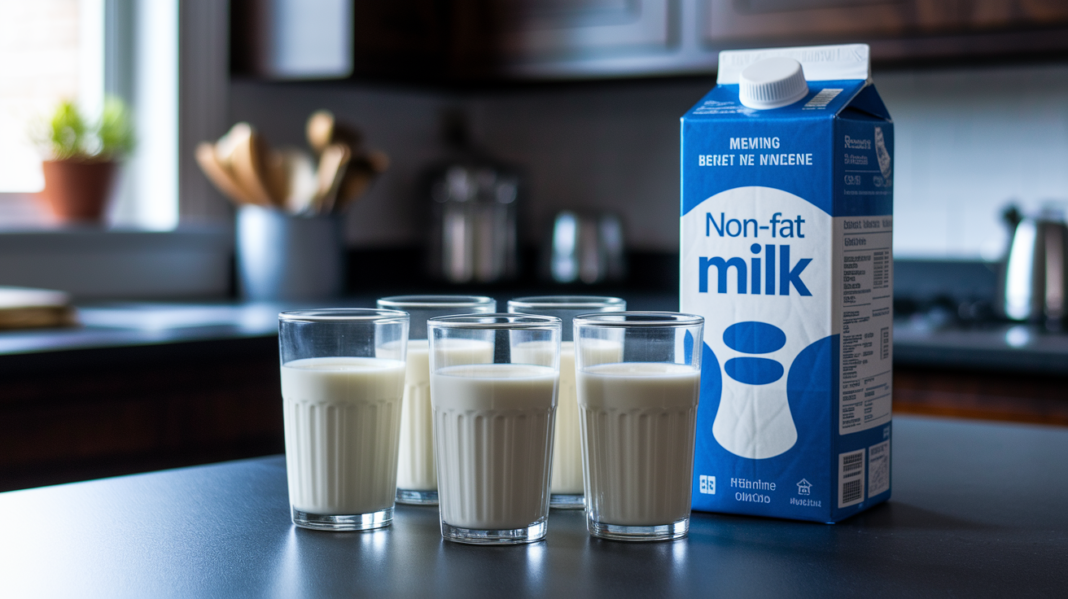

Is skim milk secretly the smartest dairy swap, or just watered-down milk dressed as health food?
It strips nearly all the fat but keeps protein, calcium, and most vitamins, often fortified with vitamin A and D.
Read on for exact nutrition numbers for an 8-ounce cup, a clear compare of skim versus whole, 2%, and 1%, and practical advice on when skim saves calories and when it may cost you fullness or vitamin absorption.
Key Facts About Skim Milk and What It Is
Skim milk is cow’s milk with nearly all the fat stripped out. You’ll also see it labeled “nonfat milk” or “fat-free milk,” and it contains between 0% and 0.5% fat. The protein, calcium, and most vitamins stay put. What’s gone are the calories and almost all the dietary fat. Removing fat doesn’t gut the nutrition, it just pulls away the cream layer that naturally rises to the top of fresh milk.
Dairies make skim milk by spinning whole milk in a centrifugal separator, a machine that forces the lighter cream away from the heavier milk solids and water. That cream gets collected for butter, heavy cream, or added back in measured amounts to make 2% or 1% milk. After skimming, the milk goes through homogenization, a high-pressure process that breaks any remaining fat particles into tiny droplets so they don’t separate again. Skimming happens first, which is why skim milk looks and feels thinner than whole milk.
The next section breaks down the full nutritional profile of an 8-ounce serving, including exact calorie counts, protein, carbohydrates, and the vitamins and minerals it provides.
| Milk Type | Fat Percentage |
|---|---|
| Whole Milk | 3.25% |
| 2% Milk | 2.0% |
| 1% Milk | 1.0% |
| Skim Milk | 0–0.5% |
Skim Milk Nutrition Breakdown and Core Nutrients
A standard 8-ounce serving of skim milk contains about 83 calories, 0–0.2 grams of fat, 8.3 grams of protein, and 12.2 grams of carbohydrates. Nearly all those carbs are lactose, milk’s natural sugar. Pulling the fat drops total calories by roughly 65 compared to whole milk, but skim keeps the same amount of protein and a similar carb profile. The thinner texture comes from the missing fat globules, not from lost solids.
Skim milk delivers essential vitamins and minerals. Federal regulations require fortification with vitamin A (which exits with the fat) and often vitamin D to match whole milk levels, usually around 100 IU per cup. Each cup gives you about 300 milligrams of calcium, close to 30% of the daily recommendation for most adults, plus meaningful amounts of phosphorus, potassium, riboflavin, niacin, pantothenic acid, zinc, selenium, iodine, choline, and vitamin B12. Because these nutrients are naturally present in the milk’s liquid and protein fractions, fat removal doesn’t strip them out.
- Protein: about 8.3 g per cup, supports muscle repair and satiety.
- Calcium: about 300 mg per cup, essential for bone density and nerve function.
- Vitamin D: fortified to about 100 IU, helps absorb calcium and supports immune health.
- Vitamin B12: naturally present, supports red blood cell formation and neurological health.
- Iodine: naturally present, supports thyroid function and metabolism.
How Skim Milk Compares to Whole, 2%, and 1% Milk
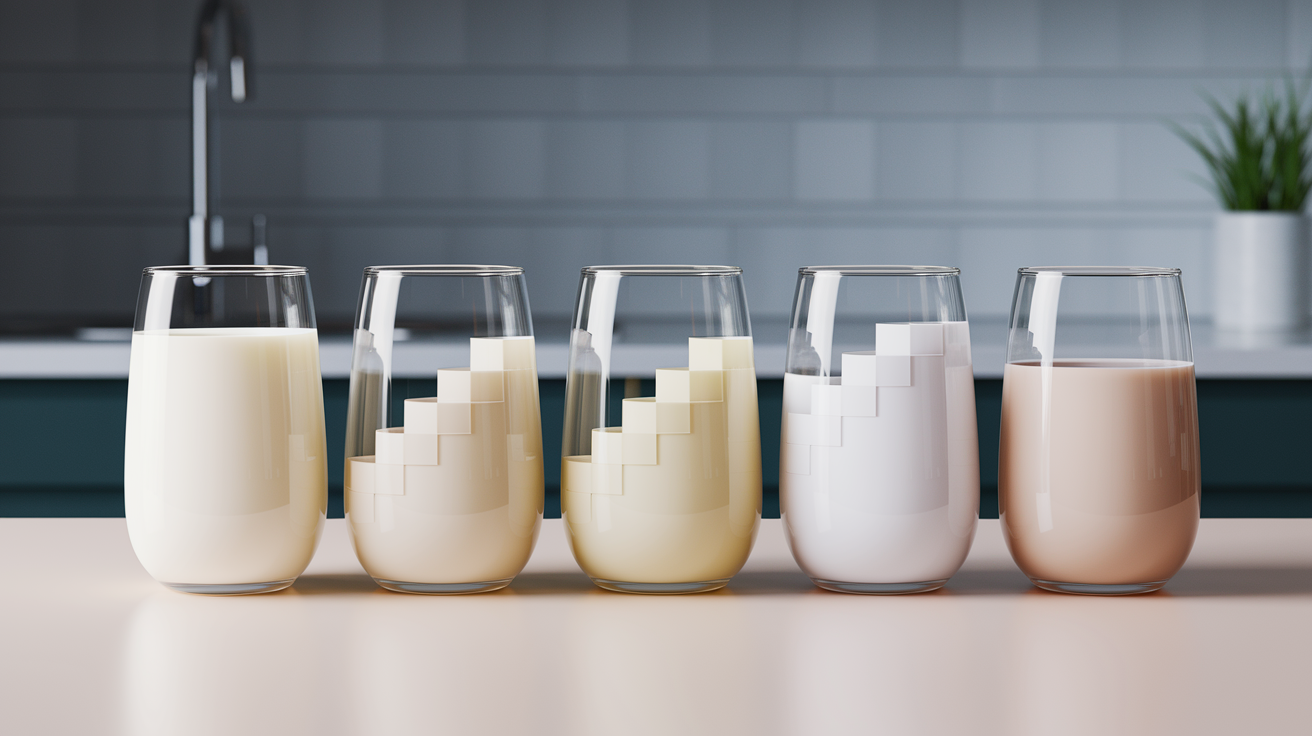
The four standard cow’s milk types differ mostly in fat content, and that fat drives most of the calorie difference. Whole milk sits around 3.25% fat, 2% (reduced-fat) contains 2.0%, 1% (low-fat) has 1.0%, and skim (nonfat) falls below 0.5%. Each step down in fat percentage removes roughly 20–30 calories per cup and lowers saturated fat intake. But protein and calcium? Nearly identical across all four.
| Milk Type | Calories | Total Fat | Protein | Carbs | Calcium |
|---|---|---|---|---|---|
| Whole (3.25%) | ~149 kcal | ~8.0 g | ~7.7–8.0 g | ~12.0 g | ~276–300 mg |
| 2% (Reduced-Fat) | ~122 kcal | ~4.8 g | ~8.1 g | ~12.3 g | ~300 mg |
| 1% (Low-Fat) | ~102 kcal | ~2.4 g | ~8.2 g | ~12.3 g | ~300 mg |
| Skim (Fat-Free) | ~83 kcal | ~0–0.2 g | ~8.3 g | ~12.2 g | ~300 mg |
If your goal is to reduce total fat and saturated fat intake, often recommended for cholesterol management or calorie-controlled diets, skim milk cuts the most. Whole milk delivers about 8 grams of fat per cup, most of it saturated, while skim delivers essentially zero. That 8-gram difference equals roughly 70 calories, which adds up when you drink multiple servings a day or use milk in cooking. On the flip side, whole milk’s fat can increase feelings of fullness and carries fat-soluble vitamins more efficiently, so the “best” choice depends on whether you’re prioritizing calorie control, satiety, or nutrient absorption alongside other dietary fats.
Health Benefits and Drawbacks of Skim Milk
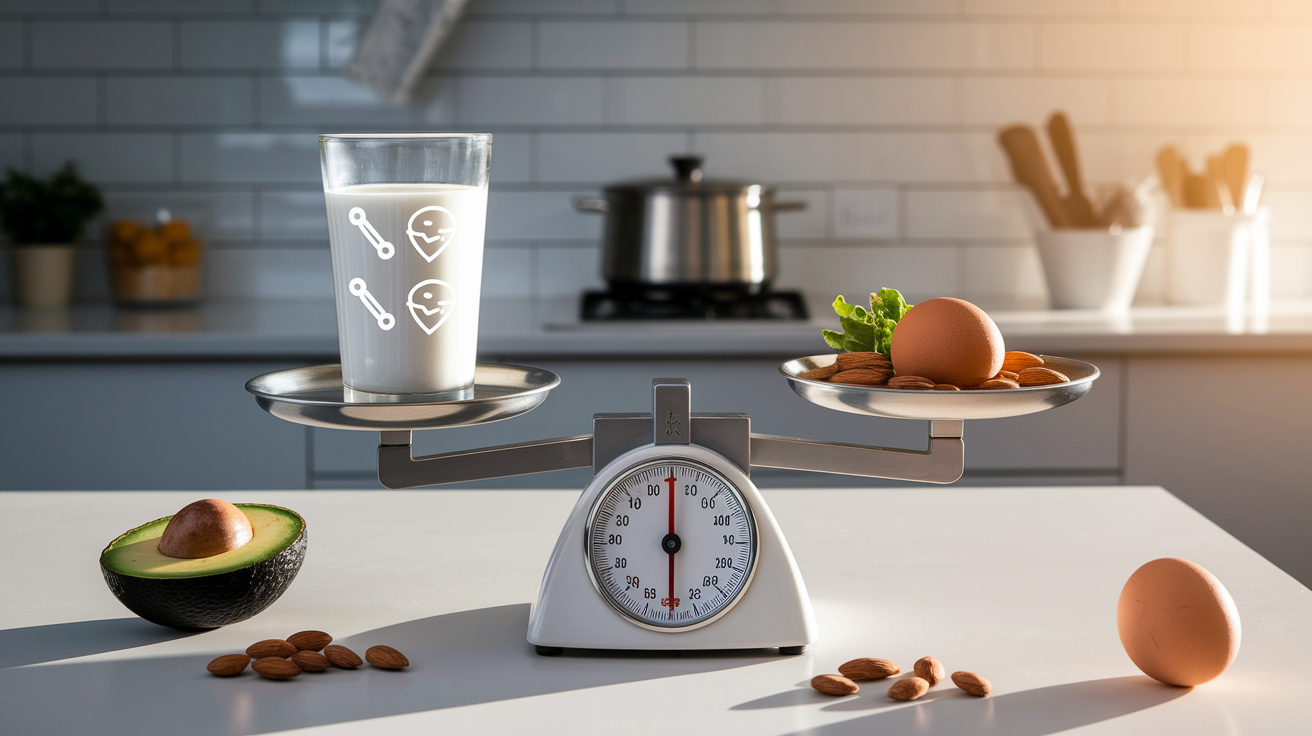
Skim milk supports calorie reduction without sacrificing protein or calcium. An 8-ounce glass delivers the same bone-building minerals and muscle-supporting protein as whole milk but with about 65 fewer calories and nearly zero saturated fat. That makes it a practical fit for weight-loss plans, post-workout recovery shakes, and diets focused on lowering total fat intake. You still get roughly 8 grams of high-quality protein per cup, which helps maintain lean mass and keeps you steadier between meals.
The main drawback? Removing fat can reduce how well your body absorbs fat-soluble vitamins (A, D, E, and K) when skim milk is consumed alone. Those vitamins need a small amount of dietary fat to move from your gut into your bloodstream. If you rely heavily on skim milk and don’t pair it with foods that provide fat, like nuts, avocado, yogurt, or eggs, absorption may drop. Skim milk also tends to feel less filling than whole or 2% because fat slows digestion and triggers stronger satiety signals. Some people find they drink or eat more later in the day when they start with skim, which can offset the calorie savings.
Recent heart-health research suggests dairy fat may behave differently than other saturated fats, with some large studies linking moderate whole-fat dairy intake to neutral or even favorable cardiovascular outcomes. That doesn’t make skim milk “worse,” but it does mean fat-free isn’t automatically “healthier” for everyone. If you’re watching calories closely, skim’s still the lowest-energy choice. If satiety and vitamin absorption matter more, a middle option like 1% or pairing skim with a fat source makes sense.
Best Culinary Uses for Skim Milk in Recipes and Coffee

Skim milk tastes lighter and thinner than whole or 2%, with less creamy mouthfeel and a slightly sweeter perception because there’s no fat to balance the natural milk sugars. That makes it great for smoothies, cold cereals, oatmeal, and low-fat baking projects like muffins or pancakes where you don’t rely on milk fat for structure. It also excels at frothing. Skim milk’s high protein and low fat create thick, stable foam for lattes and cappuccinos, often more voluminous than whole-milk foam.
Where skim milk struggles is in recipes that need fat for texture and richness. Custards, crème brûlée, ice cream, and creamy sauces (Alfredo, béchamel) depend on milk fat to emulsify, thicken, and deliver a silky finish. Skim milk in those recipes can turn out thin, watery, or grainy. If a recipe calls for whole milk and you only have skim, you can add 1–2 tablespoons of butter or a neutral oil per cup to compensate, but results will still differ slightly.
- Pour skim milk over breakfast cereal or into oatmeal. Texture is fine when other ingredients add body.
- Blend into smoothies with frozen fruit, protein powder, or nut butter to mask thinness and boost satiety.
- Froth for cappuccinos and lattes. Skim creates the tallest, most stable microfoam.
- Use in low-fat baking (muffins, quick breads, pancakes) where richness isn’t the star.
- Stir into coffee or tea if you want a splash of dairy without extra calories or fat.
- Skip it in custards, puddings, ice cream, and creamy pasta sauces. Whole or 2% milk performs better there.
Shelf Life and Storage Guidance for Skim Milk
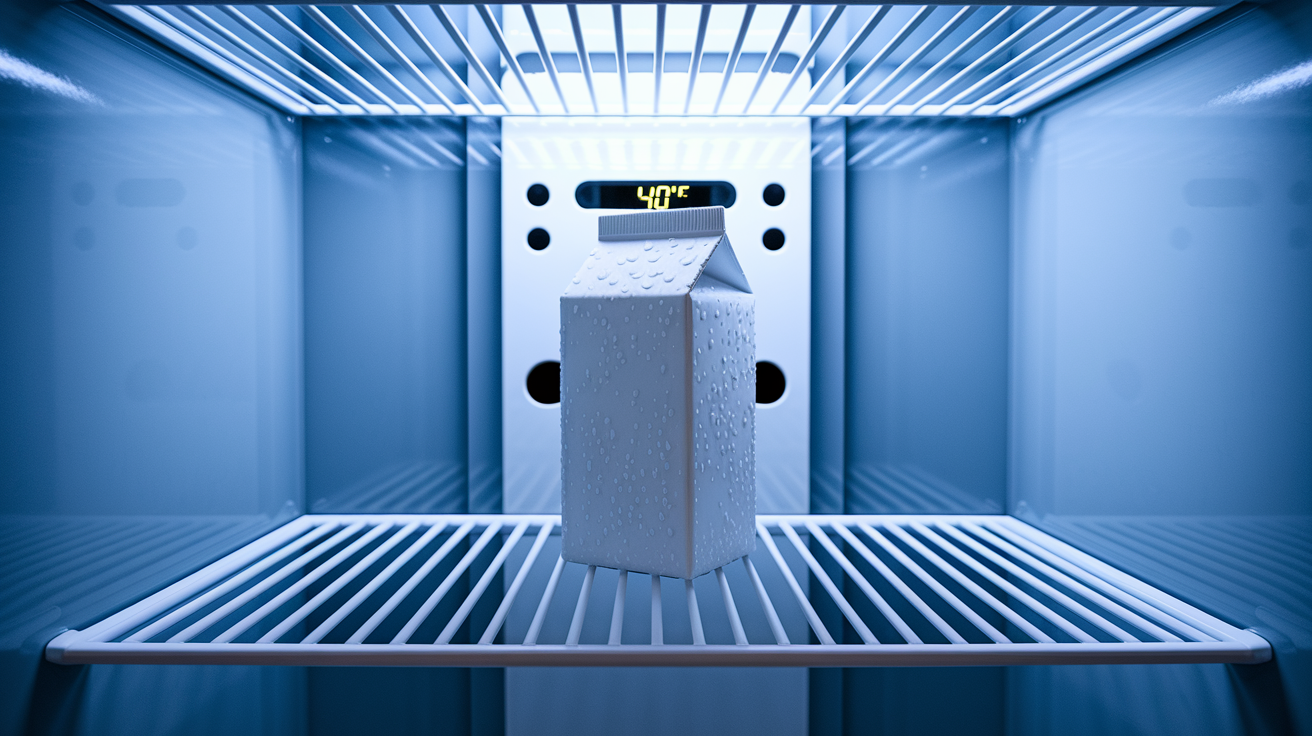
Pasteurized skim milk (what you find in most grocery-store coolers) typically stays fresh for 5–7 days after you open the carton, as long as you keep it refrigerated at or below 40°F. Check the “sell-by” or “use-by” date on the package, that’s your baseline, but once opened, the clock resets. Ultra-pasteurized or UHT (ultra-high-temperature) skim milk lasts much longer unopened, 30 to 90 days depending on packaging, because the milk is heated to a higher temperature that kills more bacteria. After you crack the seal on UHT milk, treat it like regular pasteurized and use it within 7–10 days.
Store all skim milk in the coldest part of your refrigerator, not in the door where temperature fluctuates. Keep the container tightly sealed between pours to prevent absorption of fridge odors and contamination. If the milk smells sour, looks curdled, or tastes off, discard it even if the date hasn’t passed yet. Skim milk spoils the same way whole milk does. Removing fat doesn’t extend shelf life or change how bacteria grow.
Popular Skim Milk Brands and Typical Price Ranges
You’ll find skim milk sold under dozens of brand names, from national organics to store-brand generics. Fairlife offers ultrafiltered skim with higher protein and lower sugar. Lactaid sells lactose-free skim for people with lactose intolerance. Organic Valley and Horizon Organic focus on pasture-raised, certified-organic dairy. Store brands like Great Value (Walmart) and Kroger deliver standard skim at lower prices. Most brands offer skim in gallon jugs, half-gallons, quarts, and single-serve shelf-stable cartons.
| Brand | Type | Typical Price Range |
|---|---|---|
| Fairlife | Ultrafiltered skim (higher protein) | $3.50–$6.00 per half-gallon |
| Organic Valley | Organic skim | $4.00–$8.00 per gallon |
| Lactaid | Lactose-free skim | $3.00–$5.50 per half-gallon |
| Horizon Organic | Organic skim | $4.00–$7.50 per gallon |
| Great Value | Conventional store-brand skim | $1.50–$3.00 per gallon |
| Kroger | Conventional store-brand skim | $2.00–$3.50 per gallon |
Skim Milk Alternatives for Lactose Intolerance and Diet Preferences
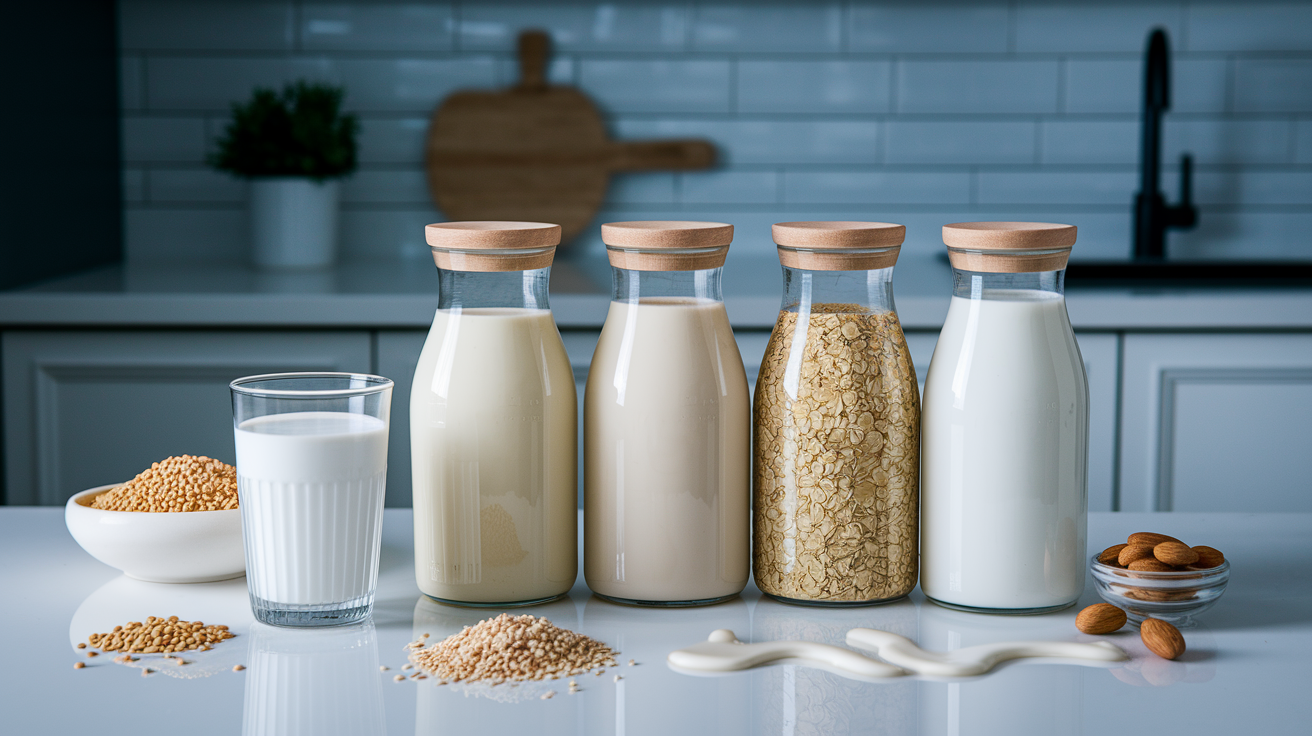
If lactose bothers you but you still want dairy, lactose-free skim milk (like Lactaid or Fairlife’s lactose-free line) is chemically identical to regular skim except the lactose sugar has been pre-broken down by adding the enzyme lactase. You get the same protein, calcium, and vitamin profile without the digestive discomfort. Taste and texture stay close to standard skim, and you can use it in any recipe that calls for nonfat milk.
Plant-based milks differ significantly in protein and micronutrient content. Soy milk comes closest to skim, delivering about 7–8 grams of protein per cup, but it’s made from soybeans and lacks natural calcium or vitamin D unless fortified. Almond milk is much lower in protein, usually around 1 gram per cup, and thinner in texture, making it a poor direct substitute if you rely on milk for protein. Oat milk lands in the middle with 2–4 grams of protein per cup, slightly more carbs than skim, and a creamier mouthfeel that works well in coffee. Most plant milks are fortified with calcium and vitamin D to mimic dairy, but absorption rates can vary, and you won’t get the same iodine, B12, or complete amino acid profile unless added separately.
Plant milks make sense if you’re vegan, allergic to dairy protein (casein or whey), or simply prefer the taste. Skim milk wins on protein density, naturally occurring micronutrients, and cost per serving. If you’re lactose intolerant, lactose-free skim gives you dairy benefits without the gut trouble.
- Protein needs: Choose soy or skim (lactose-free if needed) for 7–8 g per cup. Skip almond and oat if protein matters.
- Calorie matching: Unsweetened almond milk is lowest at about 30–40 kcal/cup. Skim is about 83 kcal. Oat can run 90–120 kcal depending on brand.
- Fortification labels: Check that plant milks list added calcium (at least 300 mg/cup) and vitamin D to match skim.
- Cooking performance: Skim and soy foam well. Oat works in coffee. Almond is too thin for most recipes that need body.
Final Words
Pull a shot and taste. We defined skim milk, showed how cream is removed, gave the nutrition facts, compared it to whole, 2%, and 1%, and walked through benefits, drawbacks, kitchen uses, storage, brands, and alternatives.
Next, test one change at a time: try skim milk in your morning coffee or a smoothie and watch foam, mouthfeel, and satiety for a few days.
Skim milk can cut calories while keeping protein and calcium. Try it for a week and decide if it fits your routine.
FAQ
Q: What is a skim milk?
A: Skim milk is milk with nearly all cream removed, labeled fat-free or nonfat, giving the same basic milk protein and minerals but a much thinner texture and lighter mouthfeel.
Q: Is skim milk actually better for you?
A: Skim milk is better for you when you want fewer calories or less saturated fat; expect less fullness and slightly reduced absorption of fat‑soluble vitamins unless you eat it with some dietary fat.
Q: Is skim milk good for acne?
A: Skim milk’s link to acne is mixed; some people report breakouts with low‑fat dairy. If you suspect a link, drop it for 2–4 weeks and note any improvement.
Q: Can skim milk help lower blood pressure?
A: Skim milk can help lower blood pressure as part of a balanced diet because it supplies calcium and protein without the extra saturated fat, supporting heart‑friendly eating patterns.