
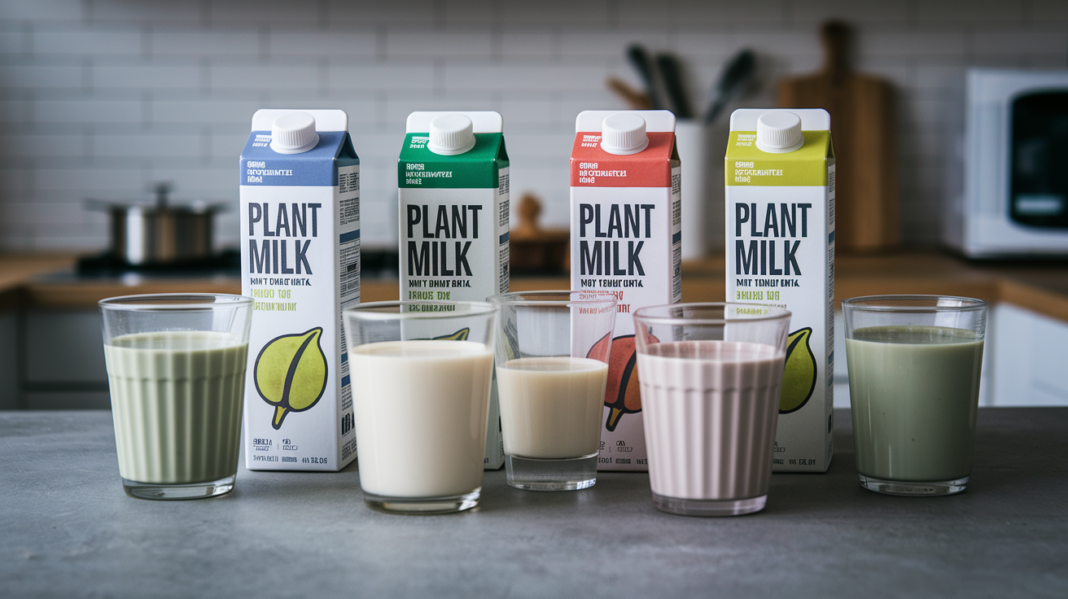

Think all plant milks taste the same? Think again.
From oat that froths like a dream to pea and soy that pack real protein, the milk you pick changes your coffee, baking, and nutrition.
This guide compares the most common dairy-free milks, almond, oat, soy, cashew, pea, coconut, hemp, flax, and macadamia, and gives simple picks for coffee, cooking, and managing allergies, plus the one quick test to see if a milk will curdle or flop in your recipe.
Read on to match texture, taste, and nutrients to how you actually use milk.
Comprehensive Overview of Dairy-Free Milk Substitutes
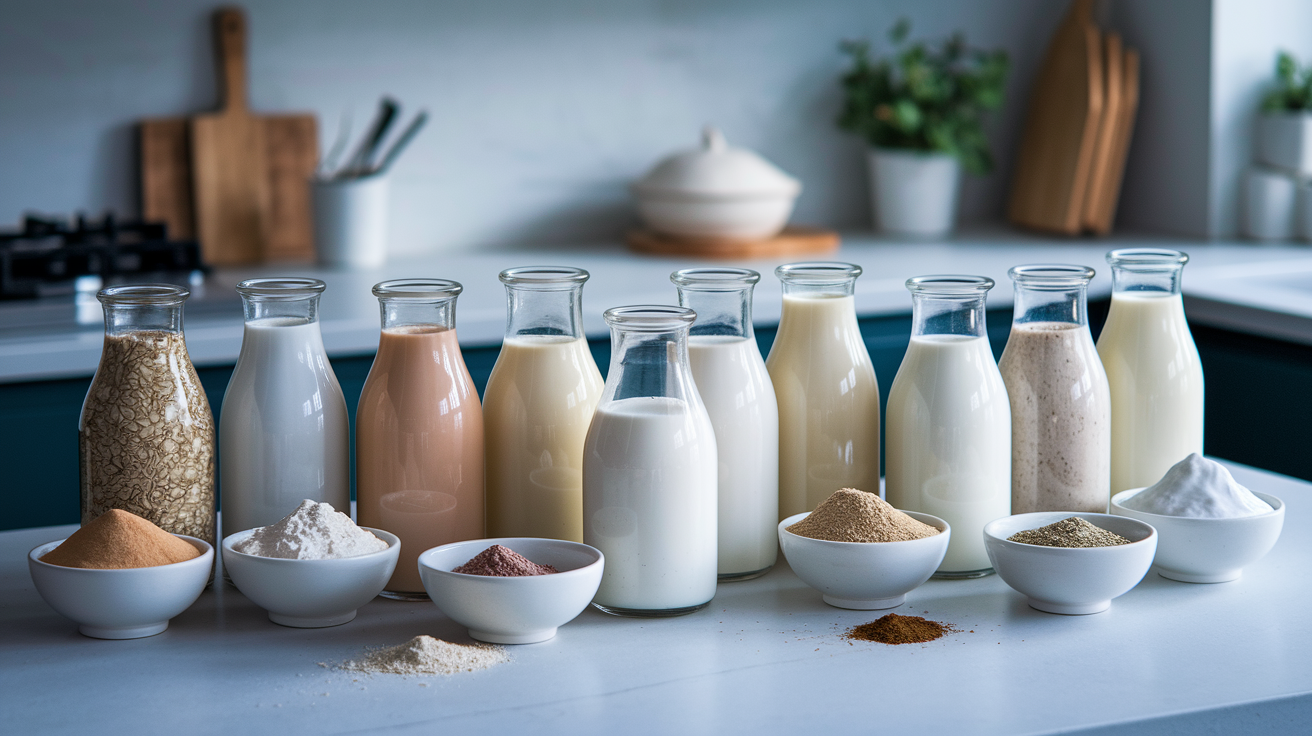
Most people switch to dairy-free milk for one of three reasons: they can’t handle lactose, they’re allergic to milk protein, or they’ve gone plant-based. Lactose intolerance means your gut can’t break down the sugar in cow’s milk, so you end up bloated and uncomfortable. Milk allergies are different. You’re reacting to the protein, and you need to avoid dairy completely. Vegans and others on plant-based diets skip animal products for health reasons, ethics, or the environment.
The dairy-free aisle gives you tons of variation in taste, texture, and what’s actually inside the carton. Nut milks (almond, cashew) are creamy with a mild, nutty background flavor. Grain options like oat and rice lean slightly sweet and neutral. Legume milks (soy, pea) pack more protein, though some people don’t love the stronger taste. Coconut milk brings tropical richness. Seed milks like hemp and flax taste earthy. Texture goes from watery (rice, almond) to thick and creamy (oat, cashew, full-fat coconut), and that changes how they work in coffee, baking, or cooking.
Allergens matter. Nut milks trigger tree-nut allergies. Soy and pea are legumes. Oat products can carry gluten cross-contact. Always check labels for your specific needs. Fortified versions add calcium, vitamin D, and sometimes B12 to match or beat dairy’s nutrient profile, which matters if you rely on milk for those.
- Almond milk: Thin, mildly nutty, lowest calorie among common options.
- Oat milk: Creamy, slightly sweet, froths well for lattes and coffee drinks.
- Soy milk: Higher protein, works in baking, thicker mouthfeel.
- Cashew milk: Very creamy, neutral, great for sauces and custards.
- Pea milk: High protein from yellow split peas, often has sunflower oil added.
- Coconut milk: Rich and tropical. Beverage version is thin, canned is thick.
- Hemp milk: Earthy flavor, good fats, no soaking needed for homemade.
- Flax milk: Low calorie, often fortified with B12 and omega-3s.
- Macadamia milk: Luxuriously creamy, nutty, great in cold coffee.
- Rice milk: Hypoallergenic, naturally sweet, very low protein and high carbs.
Comparing Nutritional Profiles of Popular Dairy-Free Milk Substitutes

Nutrition swings dramatically depending on whether the milk comes from nuts, grains, seeds, or legumes. Nuts and seeds bring fats and trace minerals. Grains bring carbs. Legumes supply protein. Most commercial plant milks are mostly water, so the base ingredient concentration shapes everything from calories to macros. Fortification fills gaps where plant sources fall short on calcium, vitamin D, or B12.
When you’re reading labels, look at whether it’s unsweetened or sweetened. Unsweetened means no added sugar, though some bases like oat naturally release simple sugars during processing. Sweetened varieties can pack 5 to 10 grams of added sugar per cup, pushing calories higher and spiking your blood sugar faster. Always compare the nutrition panel to your needs and check the ingredient list for oils, gums, and stabilizers that some people skip.
| Milk Type | Calories (per cup) | Carbs (g) | Fat (g) | Protein (g) | Notes |
|---|---|---|---|---|---|
| Almond | ~130 | ~3 | ~10 | ~5 | Low-carb, thin texture |
| Oat | ~100 | ~17 | ~2 | ~3 | Naturally creamy, higher carbs |
| Soy | ~120 | ~4 | ~6 | ~12 | Highest protein among plant milks |
| Pea | ~100 | ~7 | ~4.5 | ~8 | Good protein, watch for sunflower oil |
| Coconut (beverage) | ~90 | ~3 | ~8 | 0 | High fat, no protein |
| Flax | ~50 | ~1 | ~2.5 | ~5 | Often fortified with B12, omega-3s |
Best Dairy-Free Milk Substitutes for Coffee and Espresso Drinks

Frothing performance separates lattes that feel like lattes from disappointing foam-free cups. Oat milk leads the pack because natural starches and fats create stable microfoam without needing protein from dairy. Soy milk comes next. Its protein content helps hold foam and resist curdling under the acidity and heat of espresso. Macadamia milk brings rich mouthfeel to cold brew and iced lattes, though it can curdle in hot coffee if the beans are very acidic.
Curdling happens when heat and acid hit a low-protein, low-stabilizer milk too fast. Rice milk almost always curdles in hot drinks. Cashew milk can split if you pour it into very hot coffee. Coconut beverage separates visibly, leaving a slick on top. To avoid curdling, choose higher-protein options like soy or pea, pre-warm the milk gently, or pick barista-blend formulas that add stabilizers designed for coffee’s pH.
Barista blends use slight tweaks in fat, protein, or stabilizers to improve foam and texture. They cost more but perform better under steam wands and in layered espresso drinks. If you pull shots at home, test a few options to find the balance between clean ingredients and reliable foam.
- Oat milk: Top choice for latte art and stable foam.
- Soy milk: Reliable for steamed drinks, resists curdling.
- Macadamia milk: Creamy in cold coffee, may split when hot.
- Cashew milk: Rich for iced drinks, curdles in very hot brews.
- Barista-blend oat or macadamia creamers: Formulated for espresso machines and steam wands.
Best Dairy-Free Milk Substitutes for Baking and Cooking

Protein and fat content determine how plant milk behaves in heat. Higher protein helps cakes rise and browns baked goods. Fat adds tenderness and mouthfeel. Soy milk works great in cookies, muffins, and quick breads because its 12 grams of protein per cup mimics dairy’s structure and triggers Maillard browning. Oat milk works well in cakes and pancakes where you want a creamy crumb without heavy nutty flavor.
Cashew milk shines in custards, puddings, and creamy sauces because it blends smooth and thick. Full-fat canned coconut milk is the go-to for curries, Thai soups, and rich desserts, delivering fat and body that beverage coconut milks can’t match. For low-fat recipes like muffins or French toast, flax or rice milks substitute easily, though rice milk’s natural sweetness can shift flavor balance slightly.
- Soy milk: Best all-around for baking. High protein aids structure and browning.
- Oat milk: Creamy texture for cakes, muffins, and batters.
- Cashew milk: Great for custards, ice cream, and smooth sauces.
- Full-fat canned coconut milk: Rich base for curries, soups, and coconut-forward desserts.
- Flax or rice milk: Substitute in low-fat recipes where skim milk is called for.
- Almond milk: Works in most baking when recipe tolerates thinner consistency.
In-Depth Profiles of the Most Popular Dairy-Free Milk Substitutes
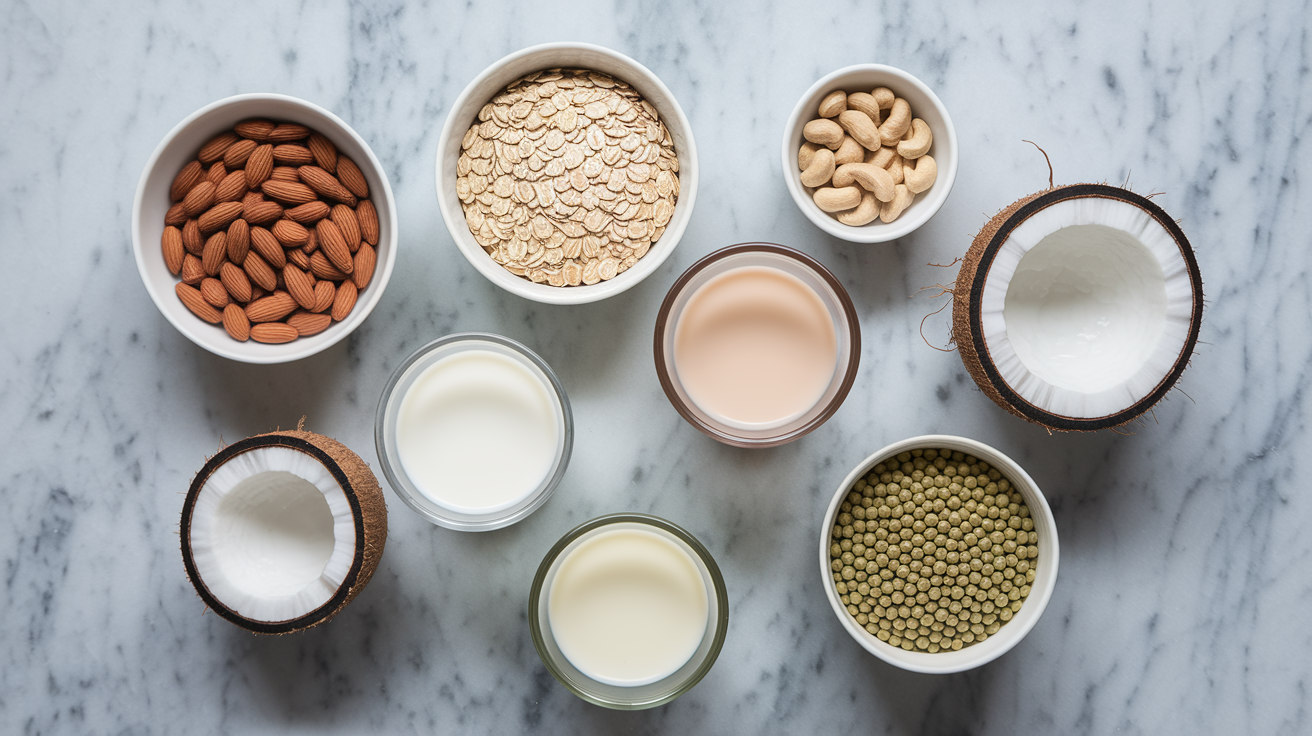
Almond Milk
Almond milk averages 130 calories per cup with about 5 grams of protein, 10 grams of fat, and minimal carbs. The texture is thin and watery compared to dairy, so it works best in smoothies, cereal, baking, and overnight oats where you don’t need heavy creaminess. Its mild, slightly nutty flavor stays in the background.
Oat Milk
Oat milk brings roughly 100 calories, 17 grams of carbohydrates, 2 grams of fat, and 3 grams of protein per cup. Naturally creamy and lightly sweet, it froths beautifully for lattes and cappuccinos. Higher carb content makes it less suitable for low-carb diets, and some debate its blood-sugar impact due to processing that can convert starches into simple sugars.
Soy Milk
Soy milk delivers around 120 calories, 12 grams of protein, 6 grams of fat, and 4 grams of carbohydrate per cup. It’s the closest plant match to dairy’s protein profile. The creamy mouthfeel and functional protein make it great for baking, where it helps structure and browning. Soy allergies and personal preferences around soy consumption are the main reasons people skip it.
Cashew Milk
Cashew milk runs 90 to 180 calories depending on whether you strain it or blend it whole for extra richness. It’s very creamy with a neutral, nutty undertone. Best in chia pudding, iced coffee, ice cream, and salad dressings. Heat it gently or it can curdle without stabilizers.
Coconut Milk
Beverage coconut milk contains about 90 calories, 8 grams of fat, and zero protein per cup. It’s thin with a clear coconut flavor. Canned full-fat coconut milk is much thicker and richer, used in cooking rather than drinking. The beverage version works in smoothies and some lattes, but the flavor is assertive.
Pea Milk
Pea milk offers around 100 calories, 8 grams of protein, and 4.5 grams of fat per cup, made from yellow split peas. It’s creamy and high-protein, popular for protein shakes and coffee. Many brands include sunflower oil, which raises concerns for some consumers around inflammation and additive load.
Less Common but Useful Dairy-Free Milk Substitutes
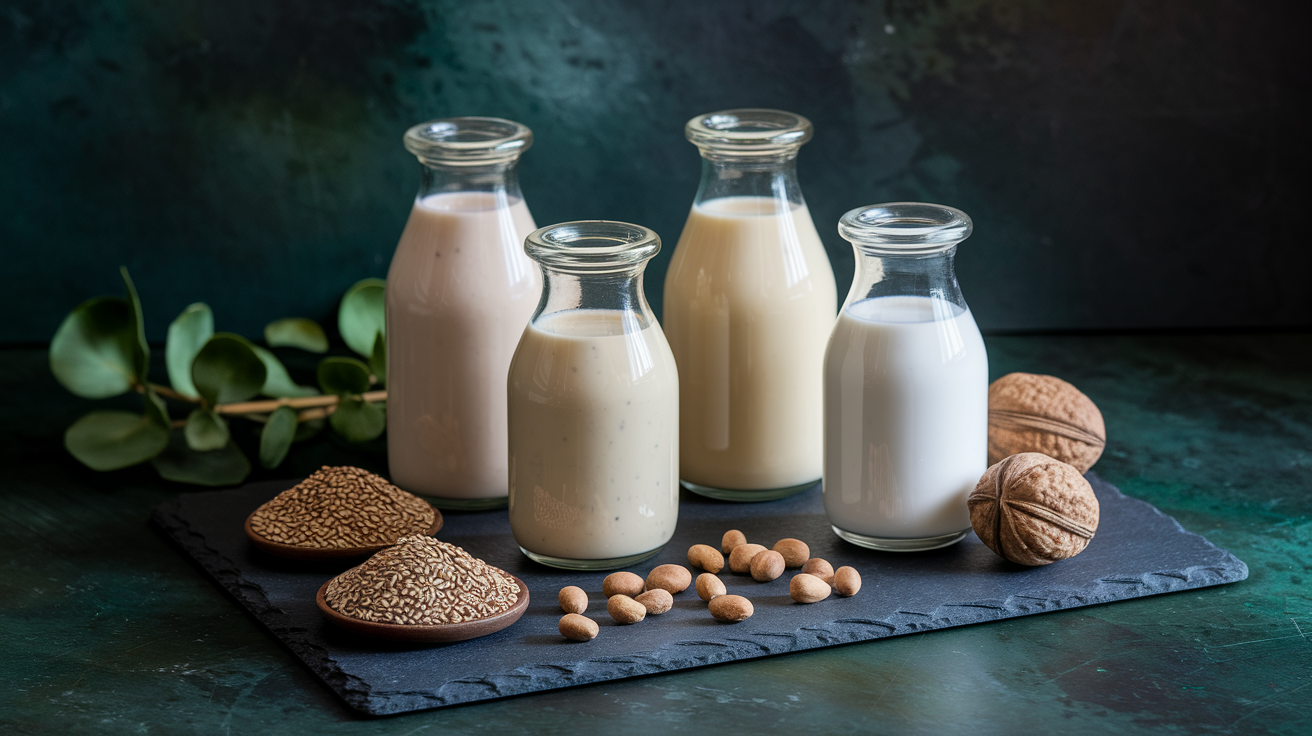
Hemp, flax, macadamia, and other seed or nut milks occupy smaller shelf space but fill specific needs. Hemp milk is made from hemp seeds and delivers good plant fats with an earthy, slightly grassy flavor that suits savory dishes and smoothies. Flax milk is very low-calorie and often fortified heavily with B12 and omega-3s, making it a functional choice for those watching calories and seeking vegan micronutrients. Macadamia milk is luxuriously creamy and rich, though pricier and harder to find than almond or oat.
| Milk | Key Benefits | Best Uses | Notes |
|---|---|---|---|
| Hemp | Good fats, earthy flavor, no soaking needed | Smoothies, savory soups, curries | ~60 calories, 3 g protein per cup |
| Flax | Very low-calorie, often fortified with B12 and omega-3s | Smoothies, coffee, oatmeal, low-fat baking | ~50 calories, 5 g protein per cup |
| Macadamia | Ultra-creamy, rich mouthfeel | Iced coffee, custards, sauces | ~60 calories; may curdle in hot coffee |
| Walnut | Omega-3s, distinctive nutty taste | Smoothies, baking where walnut flavor fits | Less common; check specialty or online retailers |
Allergen Safety and Label-Reading Tips for Dairy-Free Milk Substitutes

Tree-nut milks (almond, cashew, macadamia) are off-limits for anyone with tree-nut allergies, and coconut triggers reactions in some people with those allergies. Soy and pea milks are legumes, so they’re not safe for legume-allergic individuals. Oat milks can carry gluten cross-contamination during processing, so choose certified gluten-free versions if you’re celiac or gluten-sensitive. Rice milk is one of the most hypoallergenic options, though it offers very low protein and high carbs.
Even when a product fits your allergen profile by ingredient, cross-contamination during manufacturing can introduce trace amounts of dairy, soy, nuts, or gluten. Always read the label’s allergen statement and contact the manufacturer if you have severe allergies. Homemade versions give you total control over ingredients and eliminate cross-contamination risk.
- Avoid added oils: Sunflower, canola, or safflower oils add calories and some people prefer to skip them.
- Watch for added sugars: Sweetened versions can hide 5 to 10 grams per cup.
- Check for gums and thickeners: Guar gum, gellan gum, and carrageenan stabilize texture but aren’t necessary for everyone.
- Skip artificial flavors: Natural flavor is fine, but artificial flavoring is a red flag for cleaner ingredient lists.
- Limit excessive additives: Short ingredient lists (water, nuts or grains, salt, maybe fortification) signal minimal processing.
Homemade Dairy-Free Milk Substitutes: How to Make Your Own
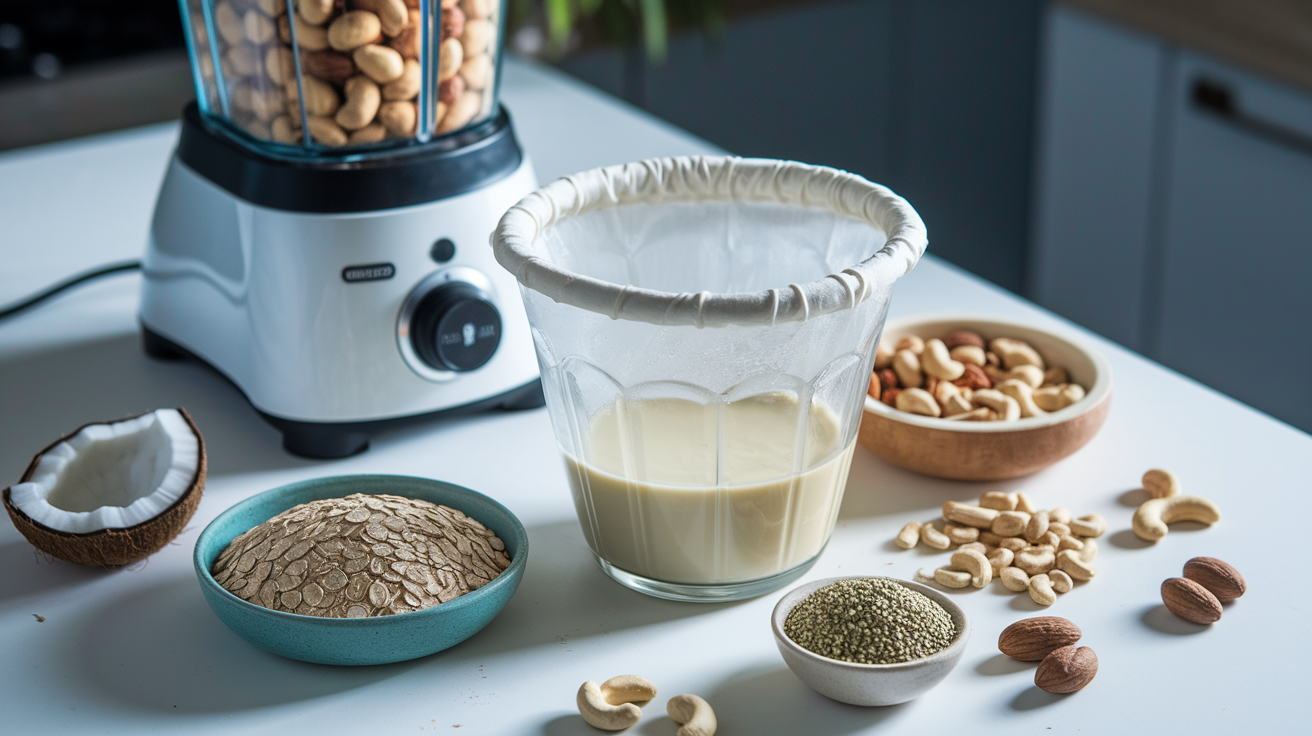
Making plant milk at home takes minutes and lets you control thickness, sweetness, and additive load. You’ll need a blender, a nut-milk bag or fine-mesh strainer, and your base ingredient. Store homemade milk in the fridge for three to five days, and shake before each use since it separates without stabilizers.
-
Almond milk: Soak 1 cup raw almonds overnight in water, drain, blend with 4 cups fresh water for 1 to 2 minutes, then strain through a nut-milk bag. The pulp left behind works in baking or smoothies.
-
Oat milk: Blend 1 cup rolled oats with 4 cups cold water for 30 to 45 seconds only. Over-blending makes it gummy. Strain through cheesecloth or a fine-mesh bag and use immediately or chill.
-
Cashew milk: No soaking needed. Blend 1 cup raw cashews with 4 cups water for 1 to 2 minutes until completely smooth. Strain if you want ultra-smooth texture, or leave unstrained for extra creaminess.
-
Coconut milk: Blend 1 cup unsweetened shredded coconut with 4 cups hot water for 1 minute, let it cool slightly, then strain. The result is richer than store-bought beverage coconut milk.
-
Hemp milk: Blend 1/3 cup hemp hearts (shelled hemp seeds) with 4 cups water for 1 minute. Strain or leave unstrained since hemp seeds are soft and most of the texture blends smooth.
Environmental and Sustainability Considerations of Dairy-Free Milk Substitutes

Oat and hemp milks use less water and land than dairy or almond production. Oats grow in cooler climates with moderate water needs, and hemp thrives without heavy pesticide use. Almond cultivation, concentrated in California, raises water-use concerns during droughts. A single almond requires about a gallon of water to grow, and large-scale monoculture impacts local ecosystems.
Coconut supply chains bring ethical sourcing questions around labor practices in tropical regions. Rice cultivation contributes methane emissions from flooded paddies, adding greenhouse-gas load. Soy production links to deforestation in some regions, though organic and responsibly sourced soy avoids that issue. If sustainability matters to you, prioritize oat, hemp, or locally sourced options, and check for certifications like organic, fair-trade, or Rainforest Alliance.
Final Words
When you’re at the shelf or pulling a shot, this guide gives a quick map: common options, nutrition snapshots, which milks froth or curdle, baking uses, allergen tips, homemade methods, and sustainability notes.
Next, pick two to test: oat for coffee and soy for baking, or try a simple homemade oat or almond milk. Measure taste, texture, and how each milk behaves when heated.
Treat this like a mini experiment with dairy free milk substitutes, compare labels and flavor, and enjoy finding what works best.
FAQ
Q: What’s the best non-dairy milk substitute?
A: The best non-dairy milk substitute depends on use: choose fortified soy for protein and baking, or oat for coffee and creamy texture; pick unsweetened, fortified versions to match dairy nutrition.
Q: Which milk is good for Ckd patients?
A: The milk good for CKD patients is usually low-potassium, low-phosphorus options like unsweetened almond or rice milk; check labels for phosphorus additives, low sodium, and confirm choices with your kidney care team.
Q: Which vegan milk is best for acne?
A: The vegan milk best for acne is usually unsweetened, low-sugar options like oat or hemp; they are gentler and lower glycemic—avoid sweetened drinks and watch your skin for any changes.
Q: What milk is good for gastritis?
A: The milk good for gastritis is low-fat, unsweetened almond, oat, or rice milk—gentle and less likely to irritate; avoid high-fat coconut or very sweet varieties and test small amounts for tolerance.