
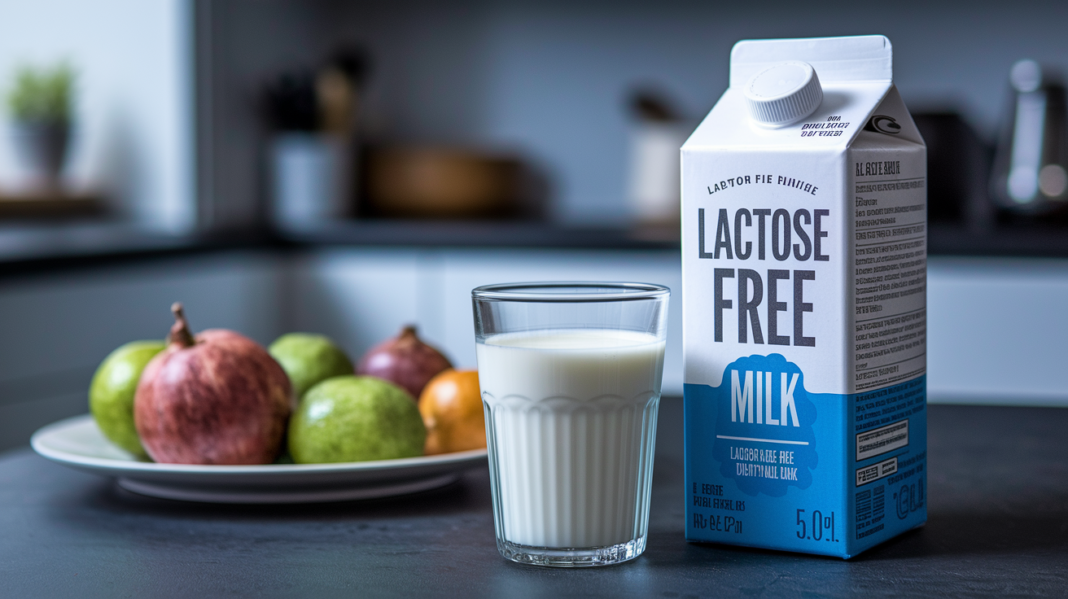

Lactose-free milk is real cow’s milk — and for many people with a sensitive gut, it’s the simplest fix.
If you’ve been skipping milk because of bloating, cramps, or surprise trips to the bathroom, lactose-free lets you drink, cook, and make coffee again without the fallout.
This post cuts through the hype.
You’ll get the clear benefits, the top brands to try, and where to buy them so you stop guessing and start enjoying dairy again.
Understanding Lactose‑Free Milk and Its Core Purpose
Lactose is dairy milk’s natural sugar. Your body needs an enzyme called lactase to break it down into two simpler sugars: glucose and galactose. About 75 percent of people lose some or all of their lactase production as they get older. That’s lactose intolerance. When lactose hits your large intestine undigested, gut bacteria go to work on it, and you get bloating, cramps, gas, diarrhea, and belching. Lactose‑free milk fixes this by adding lactase during production, so the splitting happens before you drink it.
This is real cow’s milk. Not a substitute. The lactase addition converts lactose into glucose and galactose, making it easier on your gut and slightly sweeter. A 1‑cup (240‑ml) pour gives you roughly 8 grams of protein, calcium, phosphorus, vitamin B12, and riboflavin at nearly the same levels as regular milk. Lots of brands toss in vitamin D too. Protein and minerals don’t change because lactase only targets the sugar molecule.
What you’ll notice is milder sweetness and no digestive symptoms. It looks, pours, and acts like regular milk in recipes and coffee. The sweetness comes from glucose and galactose tasting sweeter on your tongue than intact lactose does. If you’ve been dodging milk because of cramps or sudden bathroom runs, lactose‑free milk lets you drink, cook, and bake with dairy again.
How Lactose‑Free Milk Is Made (From Lactase to Processing Steps)

Commercial lactose‑free milk starts as regular cow’s milk. Processors run it through mechanical filtration first, which physically pulls out around 40 percent of the lactose along with a small portion of other dissolved solids. This step slightly drops total carbohydrate content but leaves protein and calcium stable. After filtration, manufacturers add lactase enzyme to the milk and hold it at a controlled temperature for a set period. The enzyme splits the remaining lactose into glucose and galactose. The reaction is done when lactose levels hit trace amounts or zero.
Once the lactose is broken down, the milk typically gets ultra‑pasteurized. Ultra‑pasteurization heats milk higher than standard pasteurization for a shorter time, killing more bacteria and stretching shelf life significantly. The enzyme itself is heat‑stable during this and stays inactive after the lactose is already converted. Final packaging often uses aseptic cartons for shelf‑stable versions or standard refrigerated bottles for fresh varieties.
The full production sequence:
- Mechanical filtration removes roughly 40 percent of lactose and slightly lowers carb levels.
- Lactase enzyme addition targets the remaining lactose, splitting each molecule into one glucose and one galactose.
- Lactose breakdown reaction proceeds under controlled time and temperature until lactose is nearly zero.
- Ultra‑pasteurization and aseptic packaging extend shelf life, letting some products sit unopened for months without refrigeration.
Nutrition Profile of Lactose‑Free Milk (Calories, Protein, Calcium)
Lactose‑free milk delivers the same core nutrients as regular milk because the only chemical change is splitting lactose into glucose and galactose. A 1‑cup (240‑ml) serving supplies about 8 grams of protein. Solid for muscle repair, satiety, and daily protein goals. Calcium, phosphorus, vitamin B12, and riboflavin stay at standard dairy levels. Lots of brands add vitamin D during processing, especially in markets where dairy fortification is routine. The filtration step pulls out a small fraction of total carbohydrates, so lactose‑free milk may show slightly lower carb counts on the label. Usually by 1 or 2 grams per cup.
Calorie content depends on fat level. Whole lactose‑free milk carries roughly the same calories as whole regular milk. Skim and low‑fat versions match their regular counterparts. The key difference is sweetness perception. Glucose and galactose taste sweeter than lactose, so lactose‑free milk registers as mildly sweeter on your palate even though total sugar grams stay similar. This sweetness doesn’t add calories. It’s just a sensory shift from the molecular form of the sugar.
Calcium absorption from lactose‑free milk is equivalent to regular milk. Your body uses the same pathways to take up calcium regardless of whether the milk’s sugar is lactose or glucose plus galactose. If you rely on milk as a calcium source to support bone health, switching to lactose‑free milk doesn’t require a dosage adjustment. The table below compares typical values:
| Nutrient | Regular Milk (1 cup) | Lactose‑Free Milk (1 cup) |
|---|---|---|
| Protein | ~8 g | ~8 g |
| Calcium | ~300 mg | ~300 mg |
| Carbohydrates | ~12 g | ~10–12 g (slightly reduced by filtration) |
Comparing Lactose‑Free Milk to Regular and Plant‑Based Options
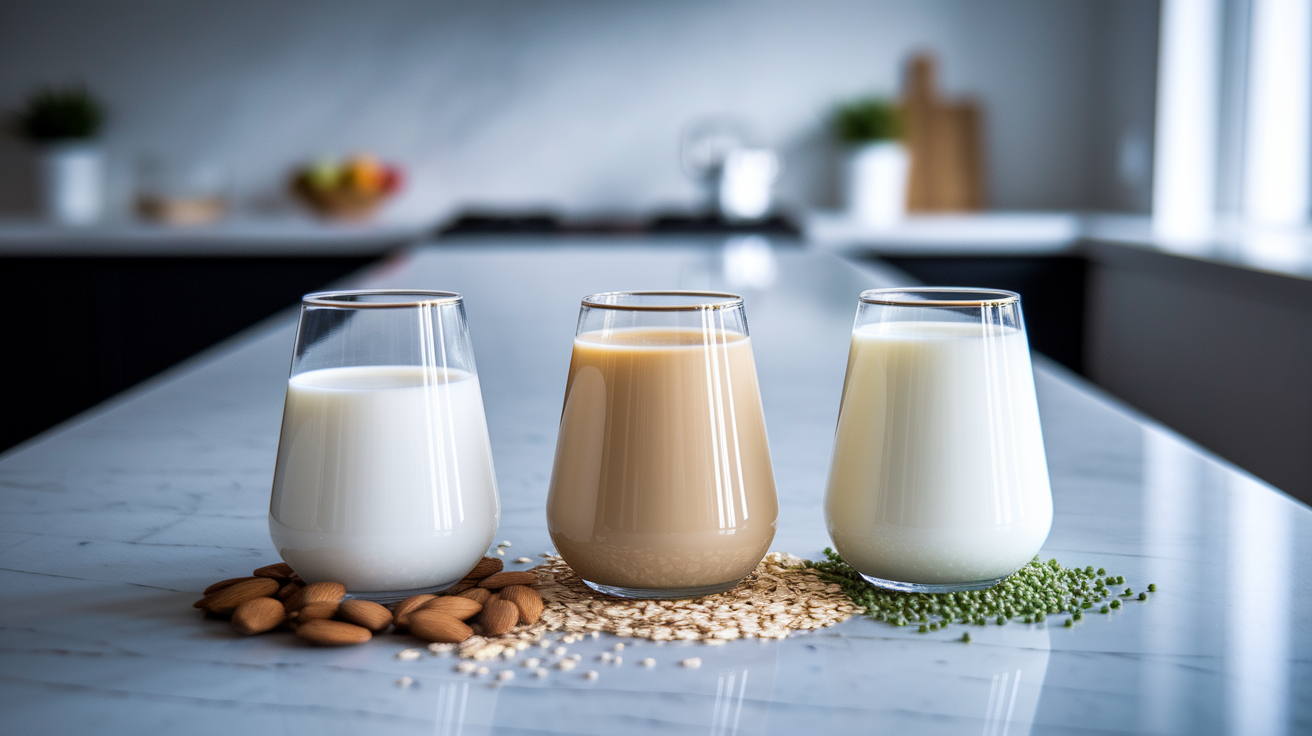
Lactose‑free milk tastes sweeter and often lasts longer on the shelf than regular milk because of ultra‑pasteurization. The enzyme treatment doesn’t change texture, mouthfeel, or color. If you pour both milks side by side, the only sensory difference most people notice is the mild sugar boost. Shelf life for ultra‑pasteurized lactose‑free milk can reach several weeks refrigerated or months unopened if packaged aseptically. Regular milk, pasteurized at lower temperatures, typically expires within a week or two of opening.
Plant milks are lactose‑free by nature because they contain no dairy. They appeal to people avoiding all animal products, managing a cow’s milk allergy, or preferring lighter flavors. The trade‑off is protein. Most plant milks deliver 1 to 4 grams of protein per cup unless fortified or made from soy or pea, which naturally carry more. Calcium in plant milks is usually added during production, not inherent. If you need the protein and calcium density of dairy without the lactose, lactose‑free cow’s milk hits that target. If you need a vegan or allergen‑free option, plant milks are the right move.
Here’s a quick comparison:
- Taste: Lactose‑free milk is sweeter than regular. Plant milks range from nutty to neutral to slightly sweet depending on type and additives.
- Digestibility: Lactose‑free milk removes the lactose problem. Plant milks avoid dairy proteins entirely.
- Allergen status: Lactose‑free milk still contains casein and whey, so it’s unsafe for dairy allergy. Plant milks are dairy‑free.
- Protein: Lactose‑free milk matches regular milk at ~8 g per cup. Most plant milks sit below 2 g unless fortified or soy‑based.
- Shelf life: Both lactose‑free and many plant milks use ultra‑pasteurization or aseptic packaging for extended shelf life.
Plant milks work best when you’re vegan, allergic to milk proteins, or want a flavor profile that regular dairy doesn’t offer. Lactose‑free milk works when you want dairy nutrition and taste without the digestive symptoms.
Brands, Pricing, and Where to Buy Lactose‑Free Milk
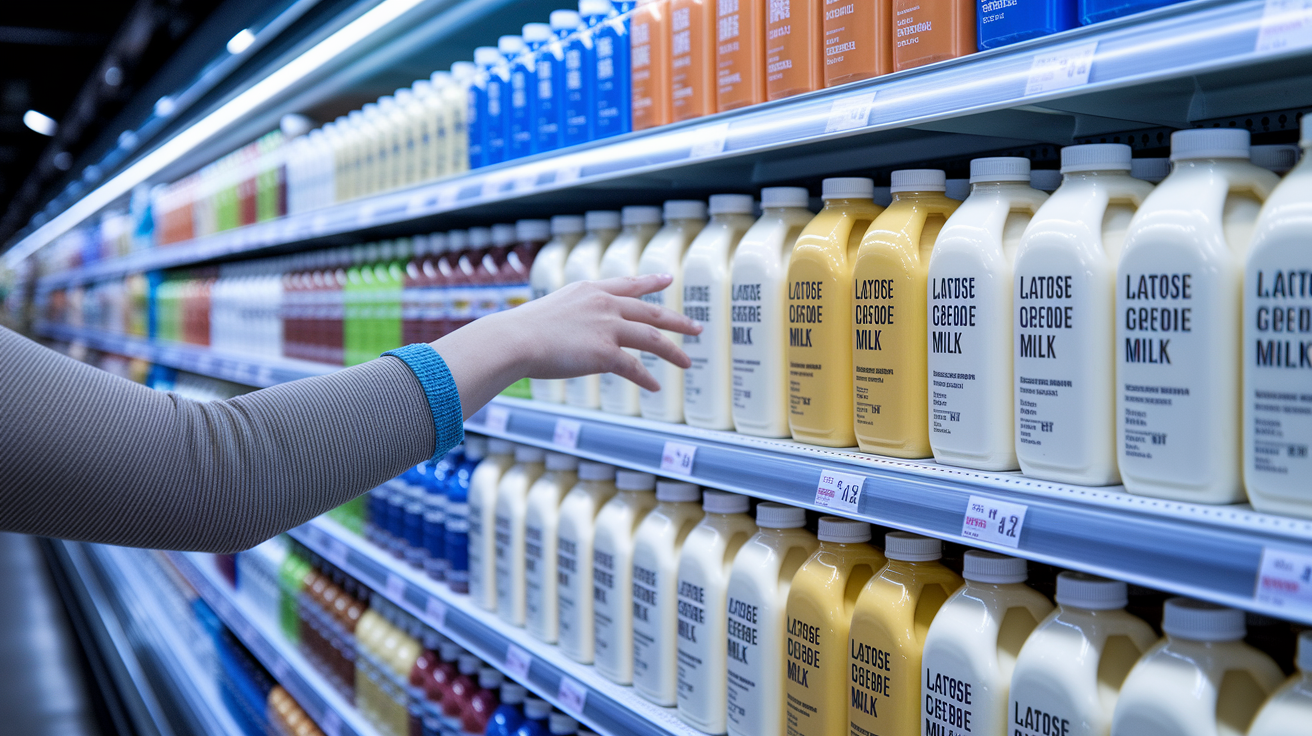
Lactose‑free milk is widely available in supermarkets, big‑box retailers, and online. In the United Kingdom, the LactoFree brand is a common example. In the United States, major dairy companies produce their own lactose‑free lines. Smaller organic dairies offer versions in markets like Denmark, Sweden, and parts of the Middle East. Organic lactose‑free milk follows the same production process but uses milk from farms that meet certified organic standards. Pricing varies by region, processing method, and packaging. Shelf‑stable aseptic cartons often cost slightly more per liter than refrigerated bottles because of the ultra‑pasteurization and packaging investment.
When shopping, check the dairy aisle and the specialty or health‑food section. Some stores stock lactose‑free milk near plant milks or organic products. Refrigerated versions usually appear alongside regular milk. Shelf‑stable cartons may sit on ambient shelves until opened, then require refrigeration. Look for clear labeling that states “lactose‑free” or “lactase added.” Expiration dates on ultra‑pasteurized products are often weeks or months out, giving you flexibility to stock up without waste.
| Brand Type | Typical Format | Notes |
|---|---|---|
| Major national dairy brands | Refrigerated half‑gallon or liter bottles | Widely available; competitive pricing; similar shelf life to regular milk if not ultra‑pasteurized |
| Organic specialty brands | Refrigerated cartons or bottles | Certified organic; higher price point; found in natural‑food stores and larger supermarkets |
| Shelf‑stable lactose‑free | Aseptic cartons (often 1‑liter or quart) | Ultra‑pasteurized; long unopened shelf life; convenient for storage; refrigerate after opening |
Taste, Sweetness, and Sensory Differences in Lactose‑Free Milk
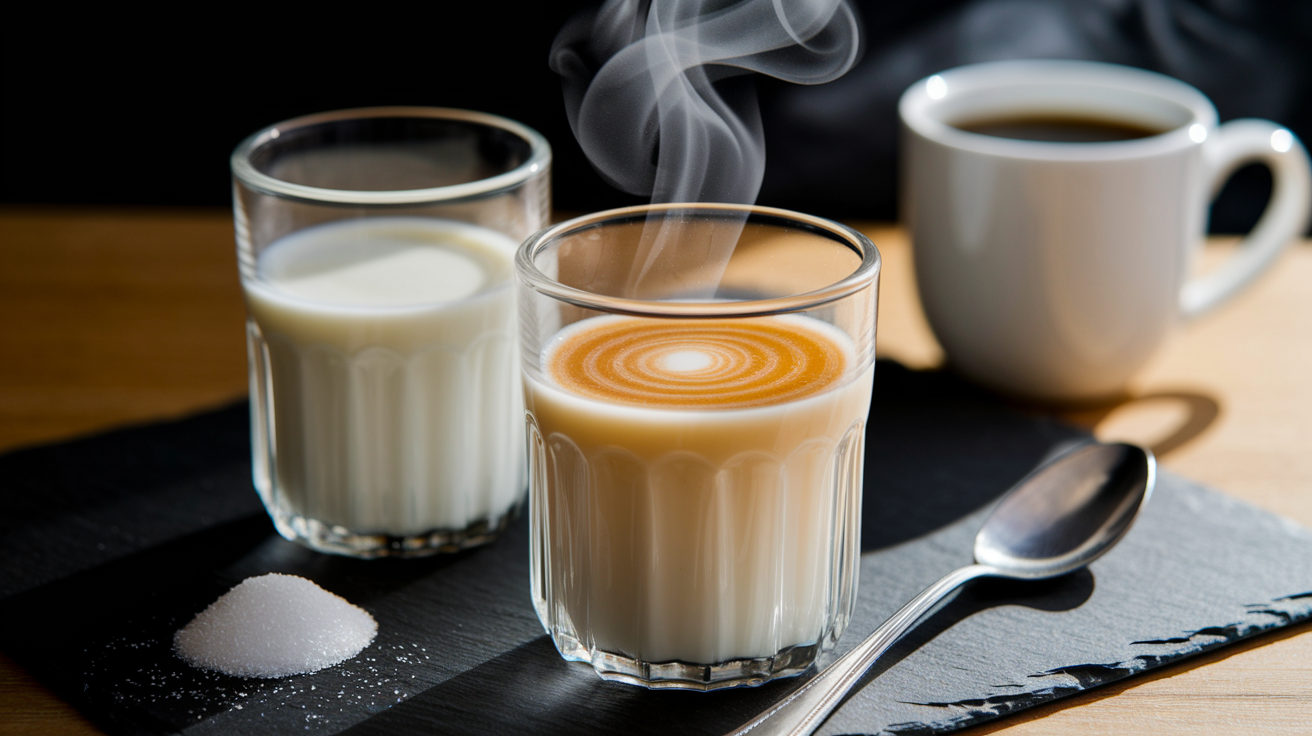
Lactose‑free milk tastes sweeter than regular milk because lactase converts lactose into glucose and galactose, both of which register higher sweetness on your taste buds. The difference is mild, not candy‑like, but noticeable if you drink milk plain or use it in unsweetened recipes. Texture, color, and viscosity stay nearly identical to the regular version at the same fat level. Whole lactose‑free milk feels as creamy as whole regular milk. Skim lactose‑free milk pours just as thin as regular skim.
In coffee, the sweetness can reduce or eliminate the need for added sugar, especially if you normally use just a small spoonful. On cereal or in smoothies, the extra sweetness blends in without issue. Baking with lactose‑free milk may subtly shift flavor in delicate recipes like custards or plain cakes, where every ingredient’s taste shows through. In those cases, you can dial back any added sugar by a teaspoon or so to compensate.
Most people adapt to the sweetness within a few uses and stop noticing it. If the flavor feels too sweet for your preference, you can try mixing lactose‑free milk with unsweetened plant milk in a 50‑50 blend or switch to a plant‑based option that offers a more neutral profile. The sweetness is purely sensory and doesn’t indicate added sugars or higher calorie content.
Using Lactose‑Free Milk in Cooking, Baking, and Coffee
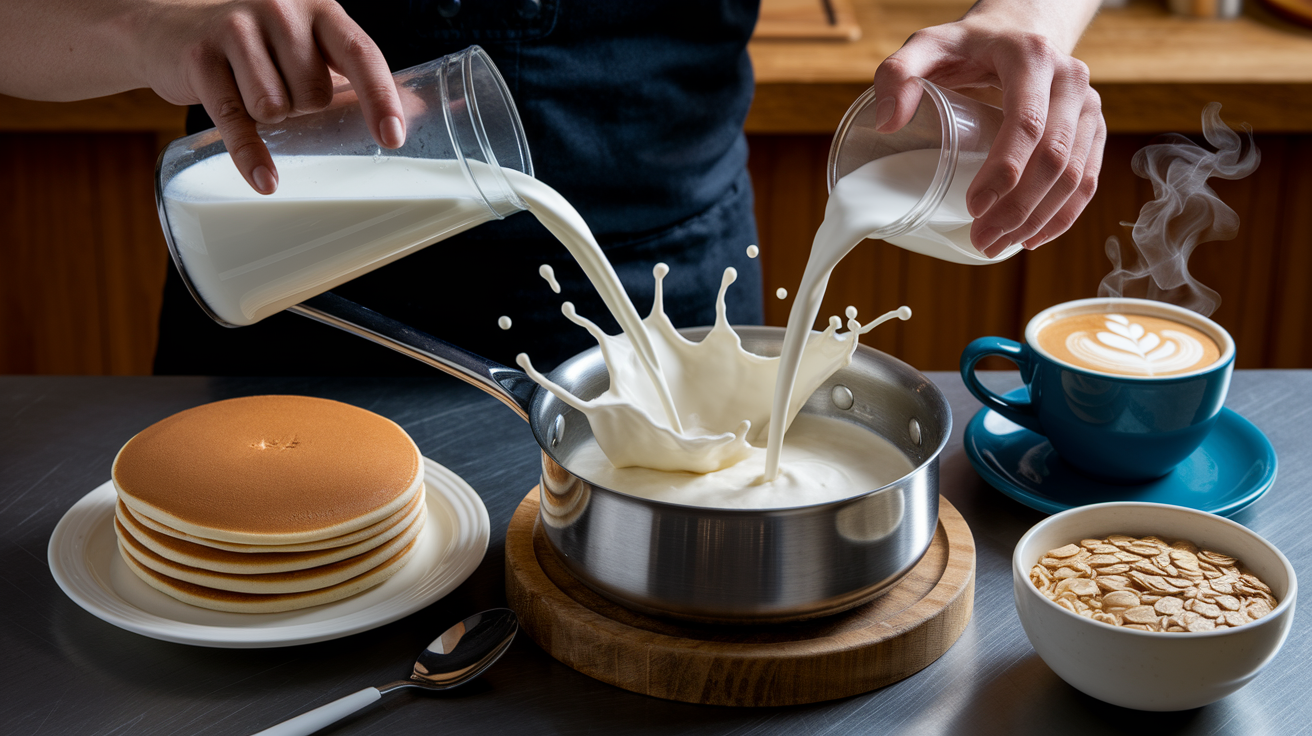
Lactose‑free milk works as a direct 1‑to‑1 replacement for regular milk in nearly every recipe. Pour it into pancake batter, mashed potatoes, cream sauces, soups, or mac and cheese without adjusting other ingredients. The proteins, fats, and water content behave the same way during heating, so you won’t see curdling, separation, or texture problems that sometimes appear with plant milks. The mild sweetness may nudge flavors in savory dishes, but the effect is subtle and rarely noticeable in well‑seasoned recipes.
Practical tips for cooking and daily use:
- Substitute at a 1:1 ratio in any recipe calling for cow’s milk.
- Reduce added sugar by 1 to 2 teaspoons in delicate baked goods like sponge cakes or custards if sweetness feels too strong.
- Heat and simmer normally. Lactose‑free milk doesn’t scorch or curdle faster than regular milk.
- Steam and froth for lattes and cappuccinos just as you would with regular milk. Ultra‑pasteurized versions may create slightly looser microfoam but still perform well.
- Use on cereal, in smoothies, or in oatmeal without any adjustments.
- Store opened cartons refrigerated and use within the same timeframe you would for regular milk once opened, typically 7 to 10 days.
In professional kitchens, lactose‑free milk simplifies menu planning when serving guests with lactose intolerance. It eliminates the need to stock multiple types of plant milk while still delivering dairy’s culinary properties like browning, emulsification, and creamy mouthfeel. Chefs can use it in béchamel, puddings, ice cream bases, and whipped cream recipes with confidence that texture and performance will match expectations set by regular milk.
Lactose‑Free Whole, Skim, and Specialty Varieties

Lactose‑free milk comes in the same fat levels as regular milk: whole, reduced‑fat (2 percent), low‑fat (1 percent), and skim (fat‑free). Whole lactose‑free milk delivers around 8 grams of fat per cup, providing richness and satiety. Skim versions drop fat to near zero while keeping protein and calcium levels the same. The choice depends on your calorie goals, taste preference, and how you plan to use the milk. Whole milk works better for creamy coffee drinks and rich sauces. Skim is lighter for cereal or smoothies where you want protein without extra fat.
Fortified lactose‑free milk often includes added vitamin D, which supports calcium absorption and bone health. Some brands also add vitamin A or extra protein, especially in fitness‑focused product lines. Organic lactose‑free milk is produced using milk from cows raised on certified organic farms, meaning no synthetic pesticides, antibiotics, or growth hormones. Organic versions are available in markets like Denmark, Sweden, and parts of the Middle East and are becoming more common in North American and European retail chains.
Common lactose‑free varieties include:
- Whole lactose‑free milk: Full fat, creamy texture, higher calorie count, best for coffee and cooking.
- Skim lactose‑free milk: No fat, same protein and calcium, lower calories, lighter taste.
- Fortified versions: Extra vitamin D, sometimes vitamin A or added protein. Check labels for specifics.
- Organic lactose‑free milk: Certified organic production, same lactase treatment, typically higher price point.
If you’re choosing between fat levels, match your decision to how you use milk. Whole milk steams into richer foam for lattes. Skim milk keeps calorie counts lower if you drink multiple glasses a day or add milk to protein shakes. Fortification matters if you’re relying on milk as a primary vitamin D source, especially in regions with limited sunlight.
Shelf Life, Storage Tips, and Packaging for Lactose‑Free Milk
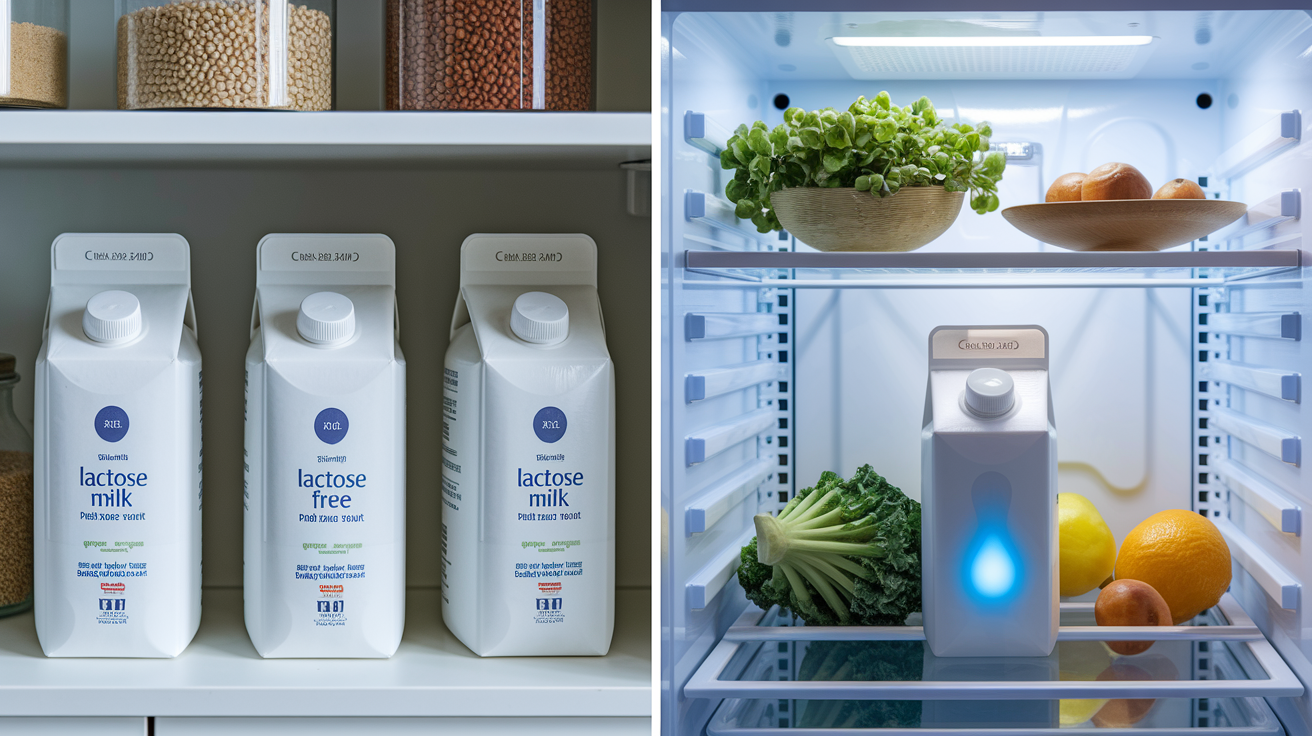
Lactose‑free milk, especially ultra‑pasteurized versions, has a longer shelf life than standard pasteurized milk. Unopened shelf‑stable cartons can last several months at room temperature. Refrigerated lactose‑free milk typically stays fresh for two to three weeks unopened, compared to one to two weeks for regular milk. Once you open any lactose‑free milk, treat it like regular milk: keep it refrigerated at or below 40°F (4°C) and use it within 7 to 10 days. The lactase enzyme stays stable after processing and doesn’t degrade or cause off flavors during storage.
Check packaging type before buying. Aseptic cartons are sealed to block light and air, allowing unopened storage in a pantry or cupboard. These are convenient for stocking up or keeping a backup supply. Refrigerated bottles and cartons must stay cold from the store to your fridge. Both types taste the same and offer the same nutrition. The difference is shelf stability before opening.
Storage and freshness tips:
- Refrigerate immediately after opening, even if the original carton was shelf‑stable.
- Use opened milk within 7 to 10 days for best flavor and safety.
- Keep the carton or bottle sealed tightly to prevent absorption of fridge odors.
- Watch for spoilage signs: sour smell, curdled texture, or off taste mean it’s time to discard the milk, regardless of the printed date.
Ultra‑pasteurization kills more bacteria than standard pasteurization, which is why shelf life extends. The enzyme action is a one‑time chemical change during production, so lactose‑free milk doesn’t continue to break down or change flavor over time in your fridge. Treat it like regular milk once opened, and you’ll get reliable performance and taste.
Who Should and Should Not Use Lactose‑Free Milk

Lactose‑free milk is designed for people with lactose intolerance, a condition that typically develops between ages 2 and 12 as lactase production naturally decreases. If you experience bloating, gas, stomach cramps, or diarrhea after drinking regular milk, lactose‑free milk usually resolves those symptoms. It’s safe for toddlers, children, teenagers, adults, and older adults who want dairy nutrition without digestive distress. Athletes and active individuals use it as a convenient protein and electrolyte source post‑workout. Older adults value the calcium and vitamin D for bone health.
Lactose‑free milk is not suitable for infants as a replacement for breast milk or infant formula. Babies need specific nutrient ratios that lactose‑free cow’s milk doesn’t provide. It’s also unsafe for anyone with a cow’s milk protein allergy. Lactose‑free milk still contains casein and whey, the proteins that trigger allergic reactions ranging from hives and swelling to anaphylaxis in sensitive individuals. If you have a confirmed milk allergy, you must avoid all dairy, including lactose‑free versions, and choose fortified plant milks instead.
Lactose intolerance varies widely. Some people tolerate small amounts of lactose without symptoms. Others react to even trace levels. The condition can be temporary, such as after a stomach infection that damages lactase‑producing cells, or permanent due to genetic lactase decline. If you’re unsure whether lactose is your problem, try lactose‑free milk for a week and track your symptoms. If digestive issues clear up, lactose was likely the trigger. If symptoms persist, consult a healthcare provider to rule out other conditions like irritable bowel syndrome or a milk protein sensitivity.
Common Myths and Misunderstandings About Lactose‑Free Milk
One common myth is that lactose‑free milk is vegan or dairy‑free. It’s not. Lactose‑free milk is real cow’s milk with lactase added. It contains all the same dairy proteins, fats, and nutrients as regular milk, making it unsuitable for anyone avoiding animal products or managing a milk protein allergy. The “lactose‑free” label addresses the sugar content, not the source.
Another misunderstanding is that all low‑lactose dairy products are the same as certified lactose‑free milk. Hard and aged cheeses like Cheddar, Gouda, Emmental, and Havarti naturally contain very little lactose, often less than 0.05 grams per 100 grams, because whey (which carries most of the lactose) is drained during production and bacteria digest remaining lactose during aging. Fermented products like yogurt, kefir, and skyr also have reduced lactose due to bacterial action. However, these products aren’t labeled “lactose‑free” unless they undergo the same lactase treatment as lactose‑free milk. The lactose threshold and labeling standards vary by country, so check labels if you need strict control.
Quick myth corrections:
- “Lactose‑free milk is not real dairy.” False. It’s cow’s milk with lactase enzyme added, retaining all dairy proteins and nutrients.
- “Lactose‑free means zero sugar.” False. Glucose and galactose remain after lactose is split, so total sugar content is similar to regular milk.
- “All cheese is lactose‑free.” False. Hard, aged cheeses are naturally very low in lactose, but soft cheeses like cottage cheese, cream cheese, and mozzarella contain more lactose and aren’t automatically lactose‑free unless treated.
Final Words
Reach for lactose free milk when you want dairy without digestive symptoms. It’s cow’s milk treated with lactase so lactose splits into simpler sugars. That explains the slight sweetness, the similar protein and calcium, and the longer shelf life from ultra-pasteurization. We covered how it’s made, nutrition, taste, uses in cooking and coffee, storage, and who should avoid it.
Try it 1:1 in recipes or a latte, and track taste and digestion over a few days—lactose free milk makes the switch easy and rewarding.
FAQ
Q: Is lactose-free milk as good as regular milk?
A: Lactose-free milk is as good as regular milk for protein, calcium, and B vitamins; it’s slightly sweeter because lactase splits lactose. It’s a practical swap for people who can’t digest lactose.
Q: What’s the downside of lactose-free milk?
A: The downside of lactose-free milk is its mild extra sweetness, occasional ultra-pasteurized flavor and slightly higher cost; and it still contains dairy, so it’s not suitable for anyone with a cow’s milk allergy.
Q: Is lactose-free milk good for high cholesterol?
A: Lactose-free milk is neutral for cholesterol; choosing skim or low-fat lactose-free reduces saturated fat and fits heart-healthy plans. Whole lactose-free still has the same saturated fat as regular whole milk.
Q: Is milk good for PMDD?
A: Milk’s effect on PMDD is limited; calcium and vitamin D may ease some symptoms for some people, but evidence is mixed. Use dairy as part of a balanced diet and discuss persistent symptoms with a clinician.