

You’re probably wasting good coffee by treating pre-infusion like a techy luxury.
Pre-infusion is the low-pressure wetting phase before full 9-bar extraction, and pressure and time control how evenly the puck soaks.
Small, measured changes – more time for light roasts, gentler pressure for clarity – fix channeling, smooth flavors, and give steadier shots at home.
In this post I’ll show practical starting points for pressure and seconds, how to test one change at a time, and quick fixes if your shot sprays or tastes flat.
Core Principles of Espresso Pre-Infusion
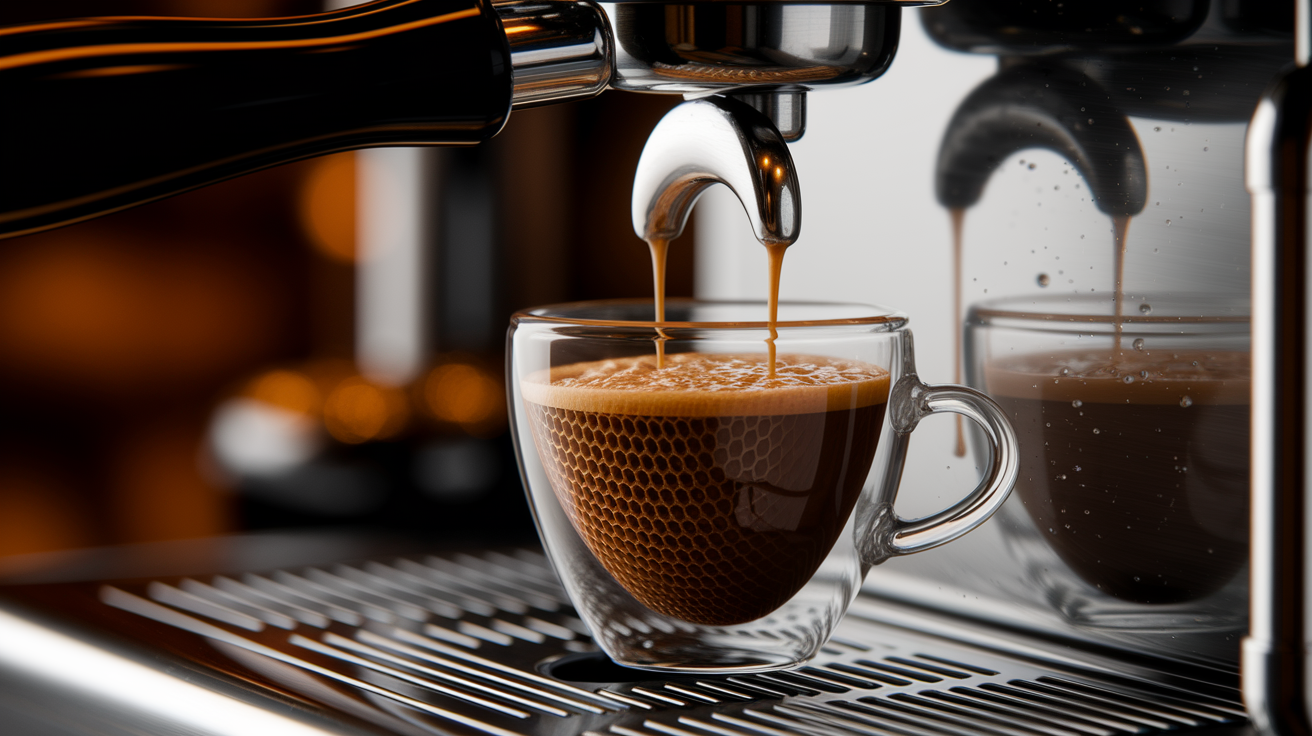
Pre-infusion is that low-pressure wetting phase that happens before your machine hits full brewing pressure. Water enters the puck at somewhere between 1 and 4 bar instead of the usual 9 bar used for extraction. The whole point is to saturate the grounds evenly and let them swell before the pump cranks up. This happens inside the grouphead before you see any espresso drip into your cup, so you can’t actually watch it.
Both pressure and time control how thoroughly the puck gets wetted. Lower pressure is gentler and gives the grounds time to absorb water without creating weak spots or dry patches. Longer pre-infusion allows better saturation, which helps when you’re working with denser pucks or finer grinds. Skip pre-infusion or cut it too short and water rushes into an unprepared puck, finding the easiest path through and creating uneven flow. Run it too long or too aggressively and the puck can get over-saturated or lose structure before extraction even starts.
When pre-infusion works right, it improves extraction uniformity by giving every part of the coffee bed a chance to participate. Even saturation means full brewing pressure distributes more consistently across the surface. Fewer dry patches, less channeling, more balanced flavor.
Main benefits:
- Fewer erratic streams and channeling during extraction
- Smoother, more predictable flow once full pressure kicks in
- Better flavor balance with less harsh acidity or bitterness
- More consistent shots, especially with light or uneven roasts
Recommended Pressure and Time Settings
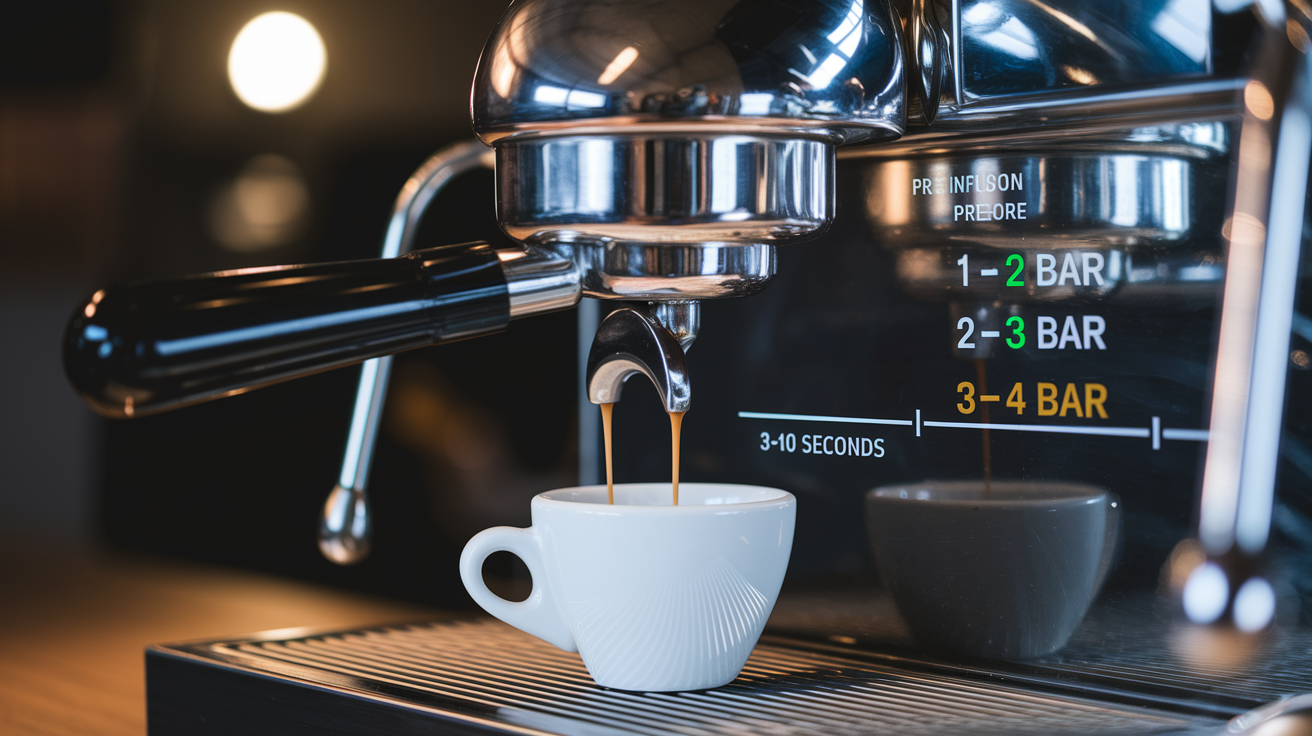
Most home machines deliver pre-infusion between 1 and 4 bar. Many stock setups default to around 2 bar, which is gentle enough to wet the puck without disturbing it. Some machines let you adjust this manually or through a profile. Others use fixed line pressure or reduced pump speed. Starting around 2 to 3 bar works well for most setups and gives you a stable baseline.
Pre-infusion time usually ranges from 3 to 10 seconds, depending on the coffee and how your machine flows. Shorter times work for darker roasts that extract quickly. Longer times help lighter roasts, which are denser and slower to extract. If your machine dispenses water quickly during pre-infusion (some pump around 3 grams per second or more), you might want to keep the active phase shorter and add a soak period afterward so the grounds can actually absorb what’s been delivered.
| Pressure Range | Time Range | Best Use Case |
|---|---|---|
| 1–2 bar | 8–12 seconds | Light roasts; delicate puck stabilization; high clarity |
| 2–3 bar | 4–8 seconds | Medium roasts; balanced extraction; general daily use |
| 3–4 bar | 2–4 seconds | Dark roasts; quick saturation; avoid over-extraction |
How to Adjust Pre-Infusion on Common Home Espresso Machines
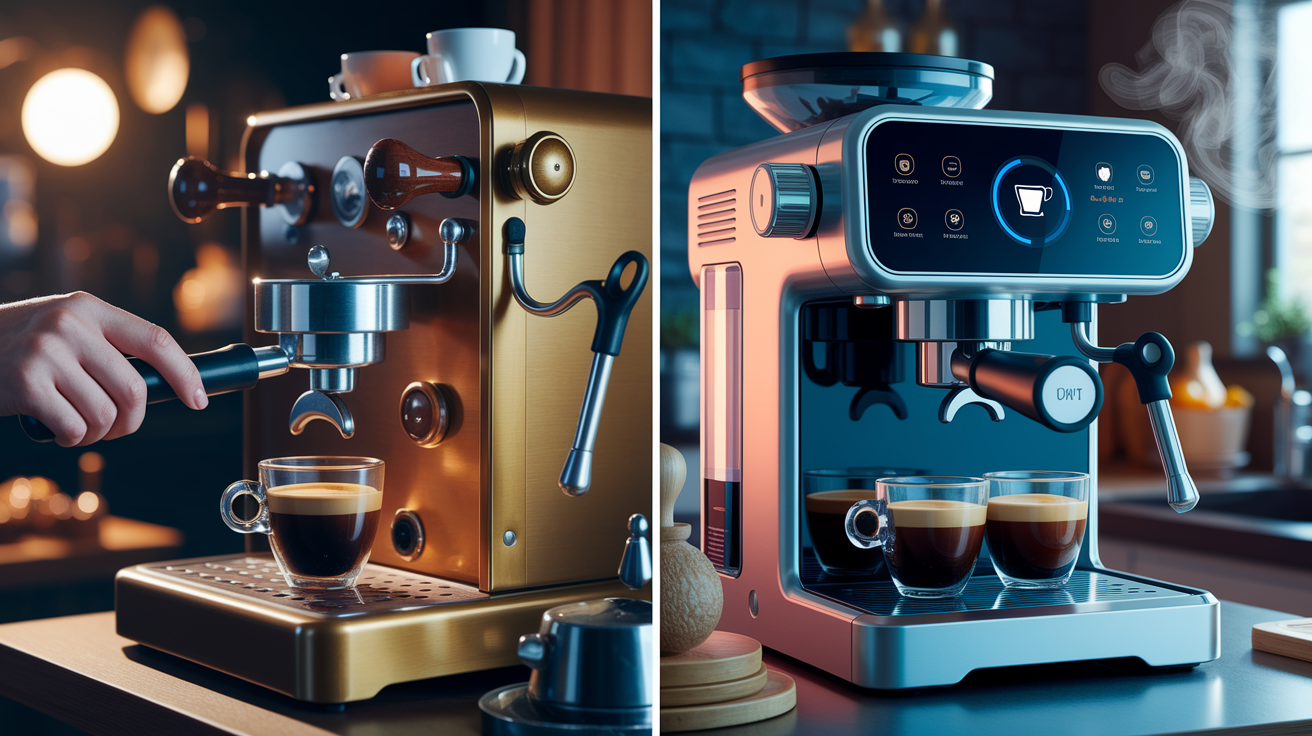
Different machines control pre-infusion in different ways. Some rely on mechanical behavior built into the group design. Others offer digital settings or manual lever control. Understanding how your machine delivers low-pressure water helps you make adjustments without fighting the system.
Older or simpler machines might not have any electronic pre-infusion at all. You can create a manual version by pulsing the pump. Turn it on for a second or two, let it sit, then start the shot. Not as precise as a programmed phase, but it still wets the puck and cuts down on early channeling. Machines with flow-control paddles or restrictors let you dial in gentler flow by partially opening a valve before engaging full pressure.
Modern programmable machines often include pre-infusion presets or custom profiles you can access through a screen or app. These let you set exact durations and sometimes pressure curves. If your machine has a soak or pause feature, use it after the active pre-infusion phase to give the grounds time to absorb water before the pump ramps up.
Lever Machines
Lever machines deliver pre-infusion mechanically through spring compression or manual control of the piston. When you lift the lever, water enters the group at low pressure as the spring begins to compress or as you hold the lever partway. The longer you hold before releasing, the longer the pre-infusion phase lasts. Direct, tactile control over saturation time. On spring-lever machines like the Leva-X, you can adjust preload to change peak pressure and use lever presets to link volume with pressure behavior. Puck density and prep directly affect how the lever responds, so consistent tamping matters more here than on pump machines.
Pump-Driven and Programmable Machines
Pump-driven machines with electronic pre-infusion let you program active time, soak time, and sometimes pressure level. Machines like the Gaggia Classic GT offer preset profiles (short, medium, long) with specific on-and-off durations. A medium preset might run 8 seconds of low-flow pre-infusion at around 3 grams per second, then pause for 3 seconds before engaging the pump. You can often extend these times through manual mode or app control. The Rancilio Silvia Pro X uses passive pre-infusion driven by boiler pressure, programmable from 2 to 6 seconds, with flow around 2 grams per second. Lelit and Profitec models allow much longer durations (up to 20 or even 60 seconds on some) and include separate pause timers. If your machine supports these settings, start with the factory preset for medium roasts, then adjust based on taste and visual flow.
Troubleshooting Pre-Infusion Issues
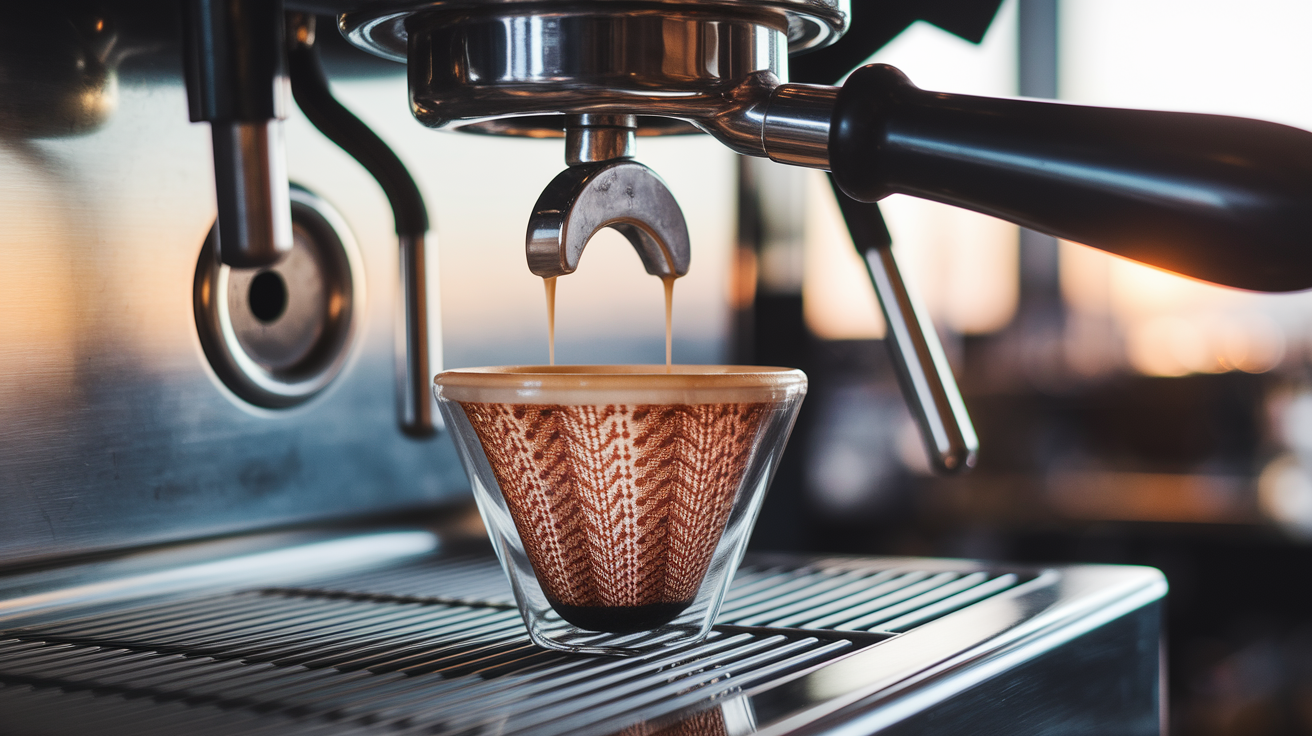
If your shots channel early or spray unevenly from a bottomless portafilter, pre-infusion is either too short or your puck prep wasn’t great. Increasing the pre-infusion time by 2 to 4 seconds often smooths out erratic flow, especially if you’re grinding fine or working with a light roast. If that doesn’t help, check your distribution and tamp. Pre-infusion can’t fix a lopsided puck.
Too much pre-infusion can mute acidity or make the shot taste flat and thin. If you’re running 10 or 12 seconds and the espresso lacks brightness or clarity, try cutting the time in half or reducing pressure. Over-saturating the puck before extraction can weaken its structure and create uneven resistance once the pump engages. Some machines also dispense extra water during passive phases, so measure how much liquid is actually entering the basket during pre-infusion to avoid unintentional overdosing.
Common symptoms and adjustments:
- Visible channeling or pinhole jets early in the shot: increase pre-infusion time by 2 to 6 seconds and check puck prep.
- Sour, thin, or under-extracted flavor after long pre-infusion: reduce total pre-infusion time or shorten the soak phase; verify grind size isn’t too coarse.
- Excessive crema loss or weak body: check that passive flow isn’t adding 15 to 30 grams of untracked water; shorten active pre-infusion if flowrate is high.
- Fast drainage or puck not holding during pre-infusion: add flow restriction or lengthen soak time to allow absorption; lower pressure if possible.
- Inconsistent results shot-to-shot: measure pre-infusion flow by weight and use the same prep routine; aim for repeatability in grams per second and timing.
Flavor Differences When Changing Pressure and Time
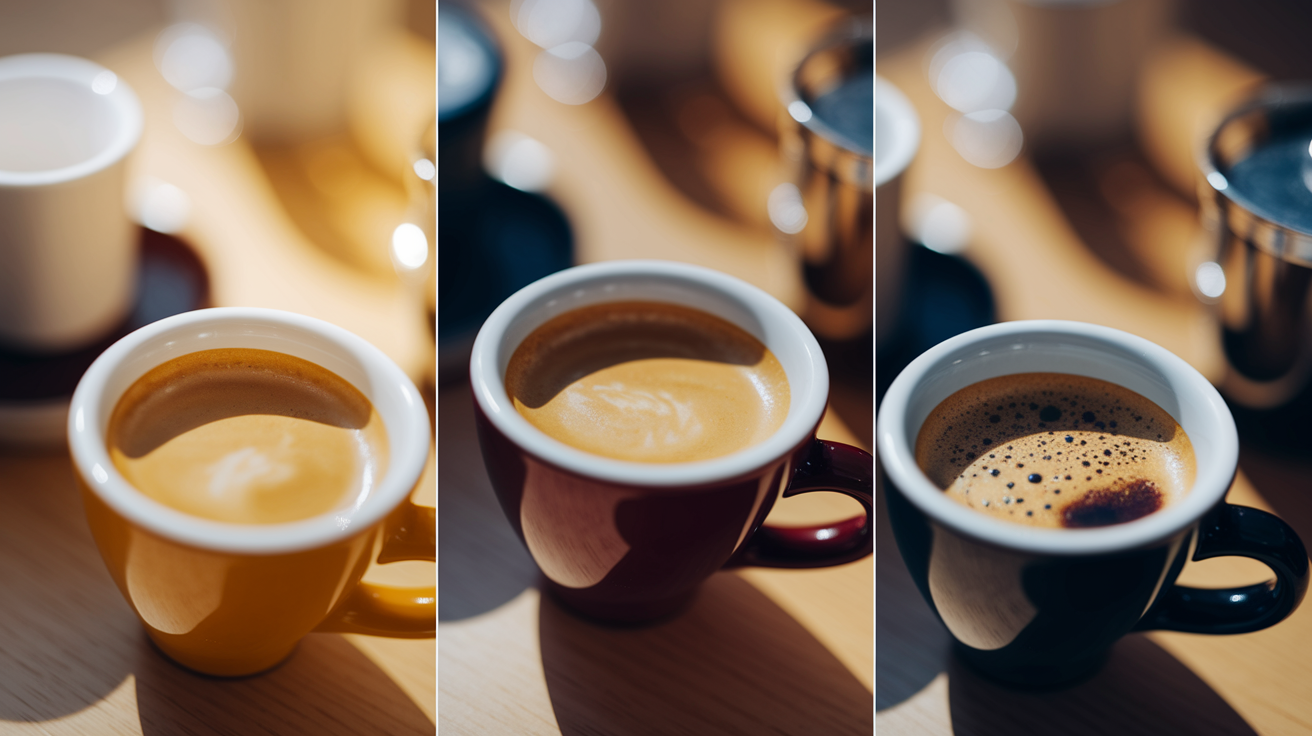
Higher pre-infusion pressure accelerates puck saturation and can bring out more body and sweetness, especially in medium roasts. It pushes water into the coffee faster, so extraction starts sooner. Works well when you want a fuller, rounder shot without extending total brew time. Go too high (closer to 4 bar or beyond) and you risk destabilizing the puck and creating uneven flow before the grounds are ready.
Lower pressure preserves clarity and can bring out the brighter, more delicate flavors in light roasts. A gentle 1 to 2 bar pre-infusion gives the coffee time to bloom without forcing water through dry spots. The result is a cleaner, more transparent shot with less harshness. The tradeoff is that it takes longer to fully saturate the puck, so you may need to extend the pre-infusion phase to avoid under-extraction.
Longer pre-infusion times soften acidity and smooth out sharp edges. Especially useful for lighter roasts that can taste sour or astringent when rushed. Extending the wetting phase by a few extra seconds allows more thorough saturation and a more even start to extraction. Short pre-infusion times increase perceived brightness and can make a shot feel more vibrant, which works well for darker roasts that are already low in acidity.
The relationship between pressure, time, and taste isn’t perfectly linear. A 2 second change or a 1 bar shift can produce noticeable differences depending on your grind size, dose, and coffee density. If you adjust one variable, keep the other constant and taste the result before making another change. Small, deliberate moves let you track what’s actually affecting flavor.
Pre-Infusion Strategies for Different Coffee Beans
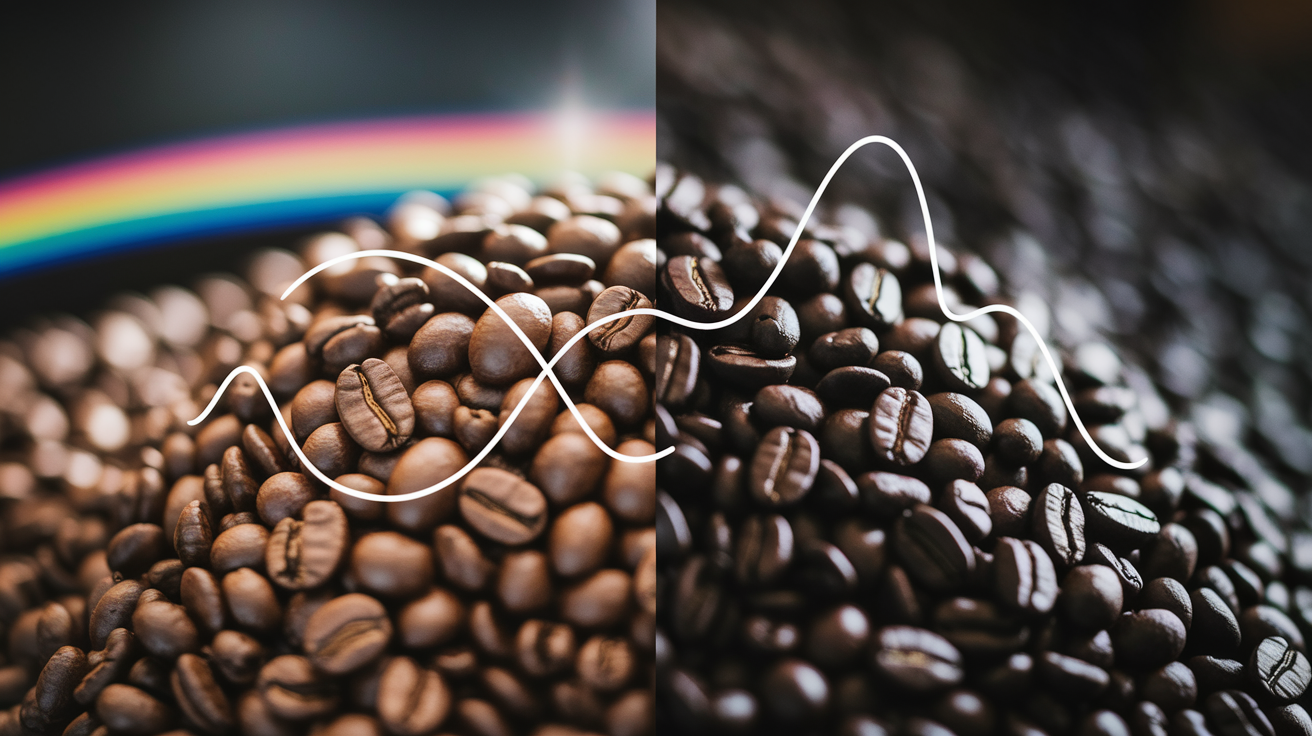
Light roasts benefit from longer, gentler pre-infusion because the beans are denser and slower to absorb water. Starting with 8 to 12 seconds at 1 to 2 bar gives the puck time to saturate evenly and cuts down on the risk of channeling through tight, uneven spots. This longer phase also softens the acidity that light roasts can carry, making the shot taste more balanced without losing clarity. If your machine delivers high flow during pre-infusion (around 3 grams per second or more), add a soak period after the active phase instead of just running the pump longer.
Dark roasts extract quickly and can turn bitter or hollow if over-wetted before full pressure kicks in. Keep pre-infusion short (2 to 4 seconds) and use moderate pressure around 2 to 3 bar. The goal is just to settle the puck and prevent early channeling, not to fully saturate every particle. Darker beans are also more fragile and can break down under prolonged low-pressure soaking, which can create muddy or over-extracted flavors.
| Roast Level | Suggested Pressure | Suggested Time | Flavor Expectation |
|---|---|---|---|
| Light | 1–2 bar | 8–12 seconds | Balanced acidity; high clarity; reduced sourness |
| Medium | 2–3 bar | 4–8 seconds | Sweetness and body; even extraction; everyday repeatability |
| Dark | 2–3 bar | 2–4 seconds | Smooth; low acidity; avoid bitterness and over-extraction |
Final Words
Start at the group head: pre-wet the puck gently, watch the stream, and listen for an even start.
We covered why pre-infusion matters, recommended ranges (1–4 bar, 3–10 seconds), how to change settings on lever and pump machines, common fixes, flavor effects, and roast-specific strategies.
Next step: try 2 bar for 5 seconds on a medium roast, change one variable at a time, and record time and yield. Small, steady tests of pre-infusion pressure and time adjustments for home espresso machines will get you more consistent, better-tasting shots.
FAQ
Q: What is the ideal pre-infusion time for espresso?
A: The ideal pre-infusion time for espresso is usually 3–10 seconds. Start 3–5 seconds for medium/dark roasts and try 8–10 seconds for light roasts to improve saturation and reduce channeling.
Q: What is the best pressure for pre-infusion?
A: The best pressure for pre-infusion is low—typically 1–4 bar, with many home machines using about 2 bar. Lower pressure preserves clarity; raise slightly to speed wetting on dense beans.
Q: What is the 15-15-15 coffee rule?
A: The 15-15-15 coffee rule is a simple starting guideline some brewers use: 15 g dose, 15 seconds pre-infusion or bloom, and 15 seconds initial ramp to pressure. Use it to test, then adjust.
Q: What is the 2 1 rule for espresso?
A: The 2:1 rule for espresso means targeting a 2-to-1 brew ratio—yield twice the weight you dose (for example, 18 g in → 36 g out). It’s a common starting ratio to dial taste.