
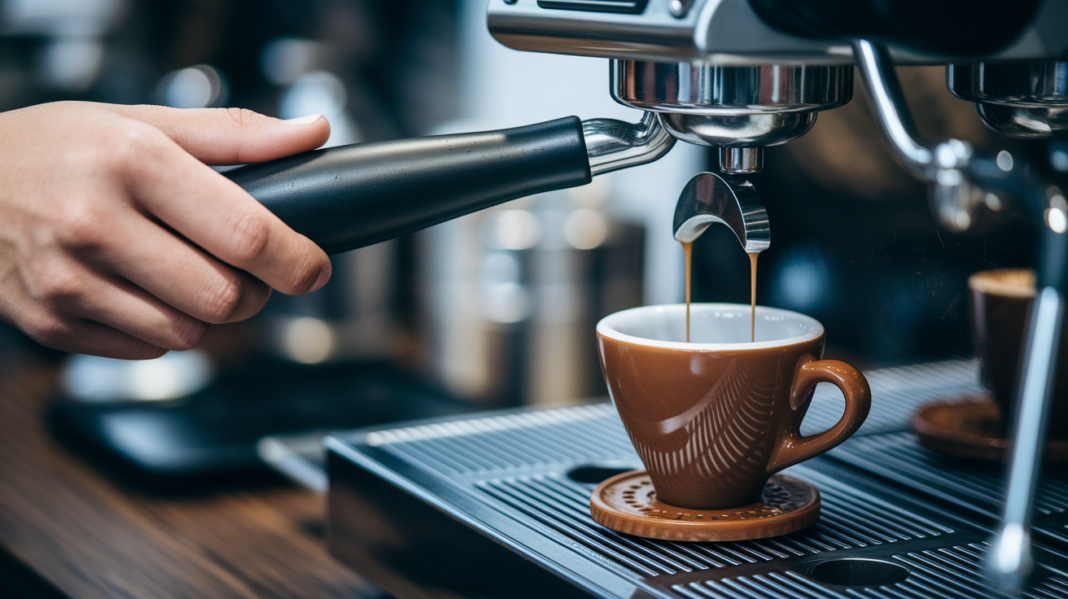

Think a distribution leveler makes every bottomless shot perfect? Not automatically.
A bottomless portafilter shows every prep flaw in the first 2 to 10 seconds.
This guide gives a single, repeatable workflow, how to set leveler depth, choose spin time, use WDT (needle stirring) first, and lock in your tamp, so the bottomless shot gives clear visual feedback instead of surprise sprays.
Follow these checks and you’ll cut shot variability, spot faults immediately, and tweak one variable at a time for faster dialing.
Immediate Best‑Practice Workflow for Distribution Levelers with a Bottomless Portafilter
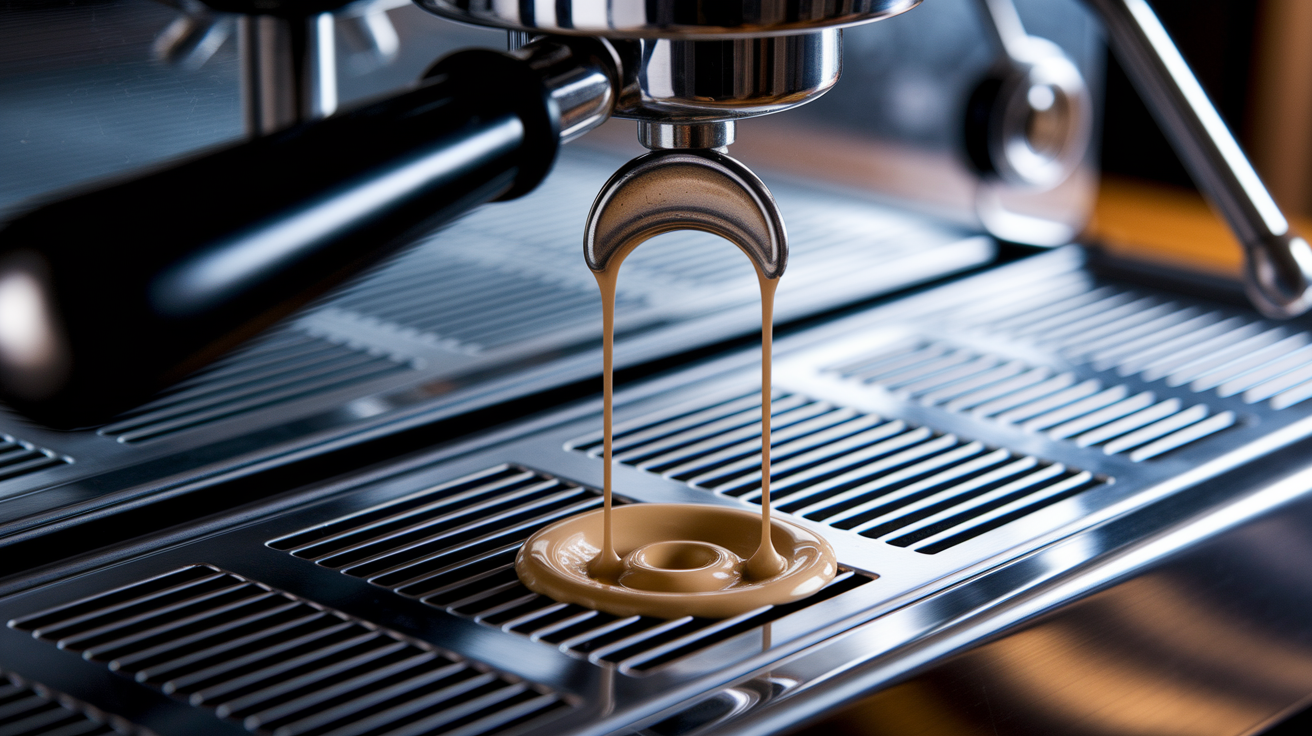
A bottomless portafilter shows you exactly what your distribution tool did. Every flaw in the grind bed becomes visible within the first 10 seconds of extraction. This instant feedback lets you test your leveling depth, spin duration, and tamp pressure in one pull, then adjust immediately if you see jets, one‑sided flow, or bald spots. Without the visual confirmation, you’re relying on taste alone, which can take days to dial in.
The leveler needs to sit flat on the grounds without compressing them more than 0 to 2 mm below the surface. Too shallow and it won’t flatten the bed. Too deep and you create a dense surface layer that slows the center while the edges run fast. You’ll see the mistake in seconds when the bottomless shot shows a donut pattern or single‑side gush.
After you finish leveling, move straight to the tamp within 2 to 10 seconds. Any longer and fines begin to drift back down, undoing the work you just completed. Lock the portafilter into the grouphead within 5 to 10 seconds of tamping, then watch the first 2 to 10 seconds of extraction. Even droplets across the entire basket confirm good prep. Jets, sprays, or dry patches tell you to adjust one variable and pull again.
Full workflow from dose to extraction:
- Dose to your target weight, accurate to ±0.1 g (common double doses: 16 to 22 g).
- Use WDT needles at 3 to 6 mm depth with 10 to 30 strokes total (radial plus cross‑hatch pattern).
- Spin the distribution leveler for 2 to 5 seconds at 0 to 2 mm contact depth.
- Tamp within 2 to 10 seconds of leveling with level, consistent pressure.
- Lock the portafilter into the grouphead within 5 to 10 seconds.
- Start extraction and observe the first 2 to 10 seconds for symmetry, droplet formation, and signs of channeling.
Distribution Leveler Mechanics and How They Shape a Bottomless Portafilter Extraction
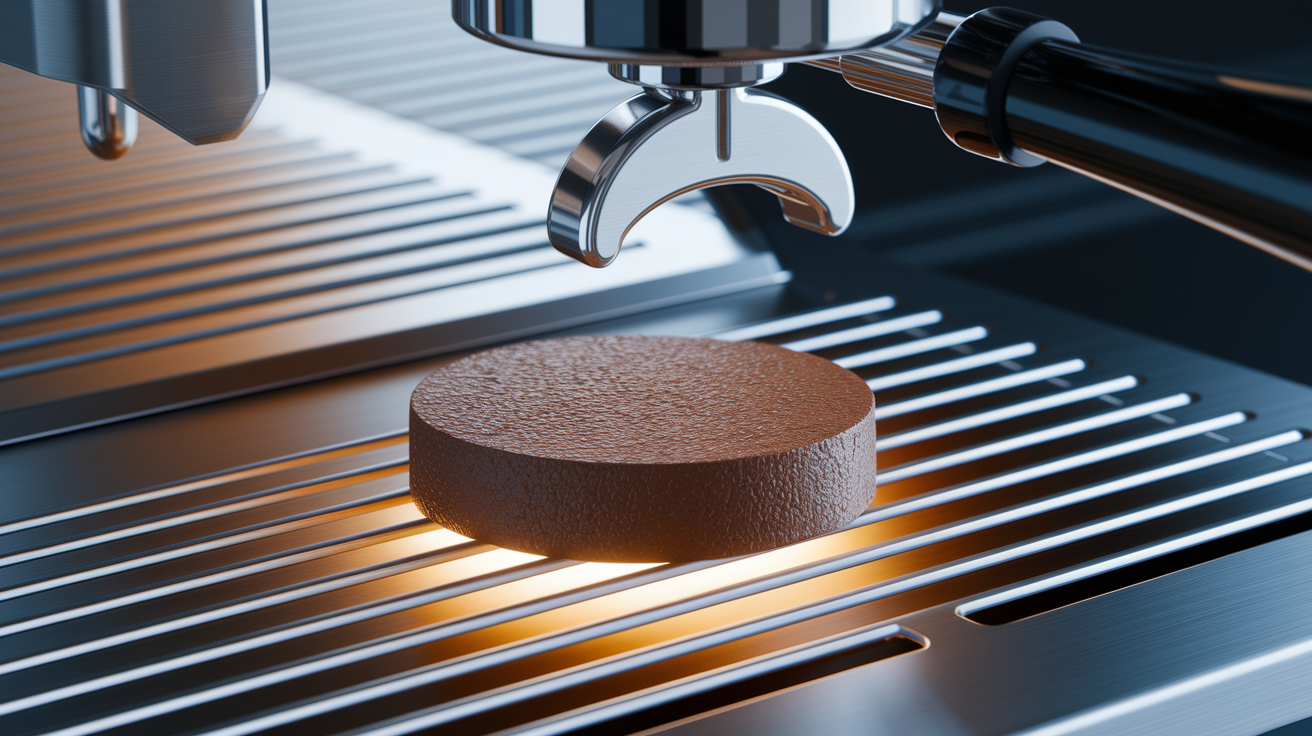
A distribution leveler only affects the top 1 to 3 mm of the puck. The spinner’s fins or paddles groom the surface into a flat plane, which helps the tamper make full, even contact. This surface work reduces the chance of tilted tamping, but it doesn’t fix clumps or density differences buried below. If your grinder clumps heavily or mixes fines unevenly, a leveler alone won’t prevent jets when you pull a bottomless shot. It smooths what’s already there, not what’s underneath.
Spin time matters. A 2 to 5 second spin at the correct depth flattens and redistributes the top layer. Spinning for 5 to 10+ seconds risks pushing fines outward toward the basket wall, creating a dense ring and a weak center. On a bottomless pull, this shows up as early edge flow and a dry center that wets late. If you see that pattern, reduce spin time before adjusting anything else.
Mechanical considerations when using a leveler with a naked portafilter:
- Diameter match: The leveler base must match your basket’s inner diameter. An oversized tool contacts the basket lip instead of the grounds, leaving uneven surface height.
- Rim clearance: Ensure the leveler sits flat without hitting the exposed basket edge or the grouphead gasket. Bottomless portafilters have no spout to hide interference.
- Spin duration: Keep spins to 2 to 5 seconds. Longer spins heat the puck surface and compact fines unevenly.
- Contact pressure: Let the tool’s own weight set the depth. Pushing down compresses the top layer and creates resistance differences visible immediately in a bottomless extraction.
- Surface grooming limits: The leveler can’t correct deep clumps, sidewall gaps, or fines stratification. Use WDT first for internal work.
Pairing WDT and a Distribution Leveler for Cleaner Bottomless Extractions
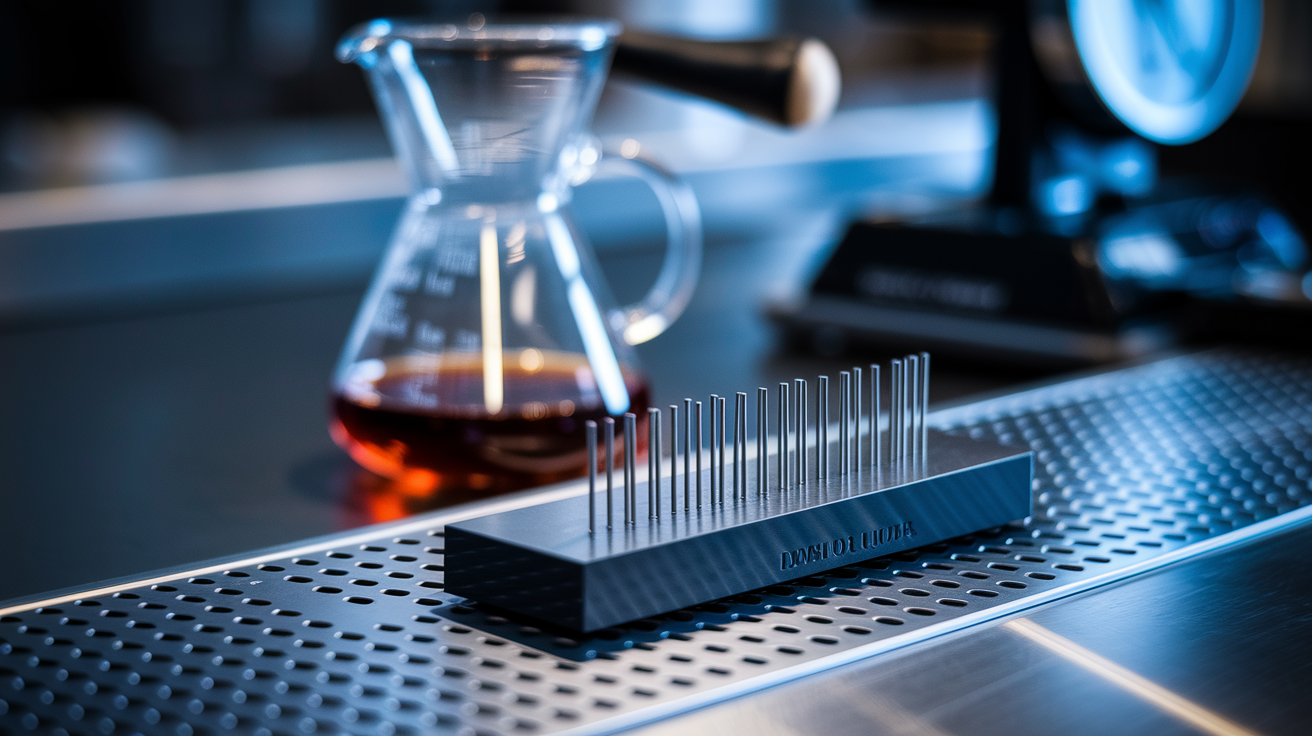
WDT breaks up clumps and mixes particle sizes throughout the entire dose. The distribution leveler then polishes the top surface into a flat bed ready for the tamper. Each tool handles a different job. WDT fixes density problems the leveler can’t reach. The leveler creates a flat horizon the tamper can compress evenly. Skip WDT and you’ll still see jets on a bottomless pull even if the surface looks perfect.
This two‑step sequence shows the clearest improvement when your grinder produces sticky clumps or separates fines from larger particles. Single‑dose grinders and grinders with high retention often deliver uneven particle mixes. WDT evens the distribution from the basket bottom to the top. The leveler finishes the job by flattening any remaining surface irregularities left after stirring. Together, they give you the best chance of seeing uniform droplets in the first 5 seconds of a bottomless shot.
If you use only a leveler without WDT, you might see clean flow on one pull and jets on the next, even with identical grind and dose. The variability comes from clumps the leveler can’t detect or break. Adding WDT reduces that shot‑to‑shot scatter. On a bottomless portafilter, the difference is obvious: fewer surprise sprays, more consistent crema coverage, and tighter timing repeatability within ±2 to 4 seconds instead of ±5 to 8.
Optimal Needle Use Before Leveling
Use a WDT tool with 12 to 30 needles, each 0.4 to 1.0 mm in diameter. Insert the needles 3 to 6 mm below the surface. Deep enough to reach mid‑puck clumps but shallow enough to avoid scraping the basket bottom. Start with radial strokes from the center outward, then add cross‑hatch or concentric passes to cover every zone. A typical routine is 12 to 18 radial strokes plus 6 to 12 cross‑hatch strokes, taking 10 to 25 seconds total for multi‑needle tools or 20 to 30 seconds for single‑needle versions.
Over‑stirring aerates the bed and creates air pockets that show up as unstable early flow in a bottomless shot. If you see foamy spurts in the first few seconds, reduce your stroke count by 5 to 10 and slow your stirring speed. Scraping the basket bottom compacts fines into a dense mat that blocks water entirely, creating bald spots or dry patches you’ll see immediately through the naked portafilter. Keep your needles in the top two‑thirds of the dose and maintain light, sweeping motions.
Visual Extraction Analysis When Using a Leveler on a Bottomless Portafilter
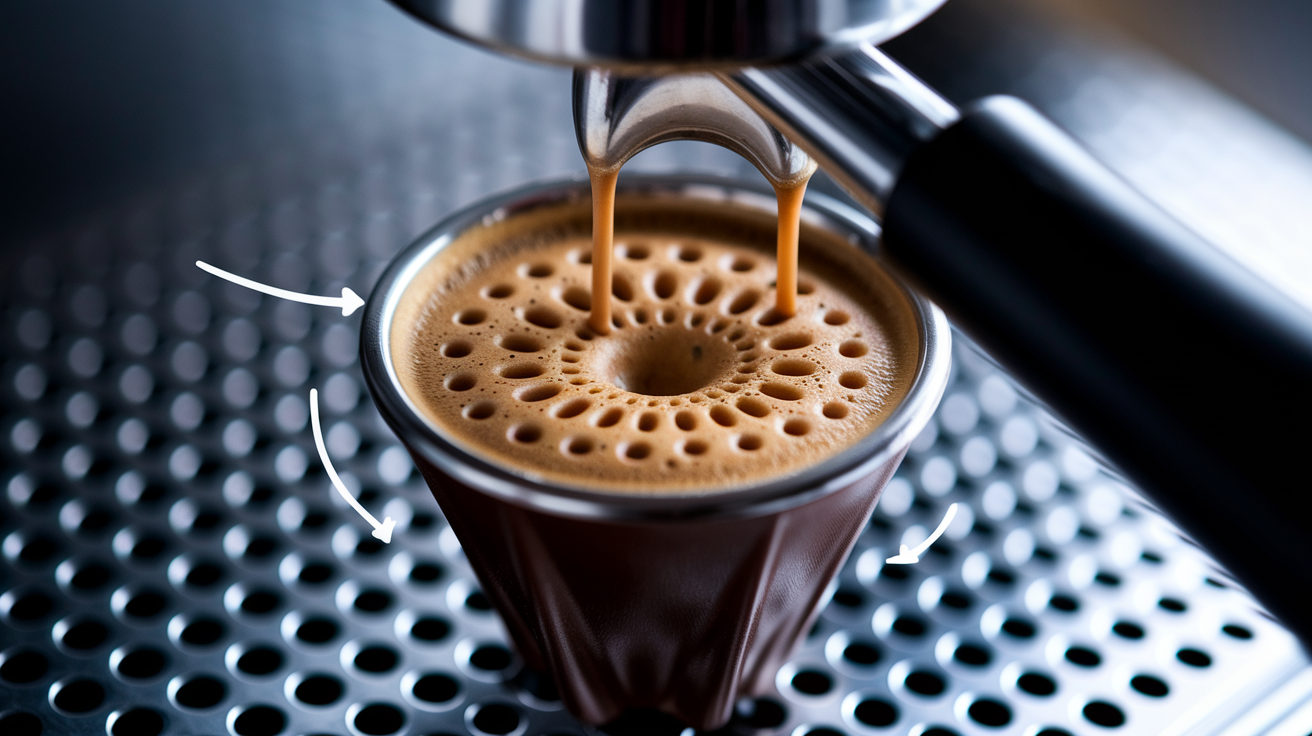
A bottomless portafilter turns invisible prep mistakes into visible flow problems. In the first 2 to 5 seconds, you should see tiny, evenly spaced droplets forming across all the basket holes, then merging into small streams that gather into a single syrupy cone by 10 seconds. This pattern confirms that your leveler and WDT created uniform resistance across the puck. If droplets appear on one side first, or if you see high‑speed jets instead of gentle drops, the puck has density imbalances the leveler didn’t fix.
Good extractions hold that central cone through the full 25 to 35 second pull, with crema that looks thick and reddish‑brown with caramel streaks. The flow stays smooth and the cone remains stable. Shot‑to‑shot timing should repeat within ±2 to 4 seconds when distribution and tamping are consistent. If timing jumps by ±5 to 8 seconds between identical doses and grinds, your prep routine has a variable step. Often the leveler depth setting, the WDT coverage, or the delay between leveling and tamping.
| Visual Sign | Likely Cause | Fix |
|---|---|---|
| Thin, fast jets or sprays in first 5 seconds | Clumps or voids creating low‑resistance channels | Add WDT before leveling; reduce leveler spin time if over 5 seconds |
| Flow starts heavy on one side, center stays dry | Tilted tamp or sidewall gap from uneven leveling | Check tamp levelness; ensure leveler sits flat before spinning |
| Edges flow first, center wets late (donut extraction) | Center too dense from excessive leveler contact depth or tamp pressure | Reduce leveler depth to 0 to 2 mm; lighten tamp if using >30 lb |
| Bald spots that never wet during entire pull | Compacted fines or basket‑bottom scraping during WDT | Keep WDT needles to 3 to 6 mm depth; inspect basket for damage |
| Foamy, unstable early drips that settle into clean flow | Air pockets from over‑stirring or excessive leveler agitation | Reduce WDT stroke count by 5 to 10; shorten leveler spin to 2 to 3 seconds |
Distribution Leveler Depth Adjustment and Contact Pressure Settings
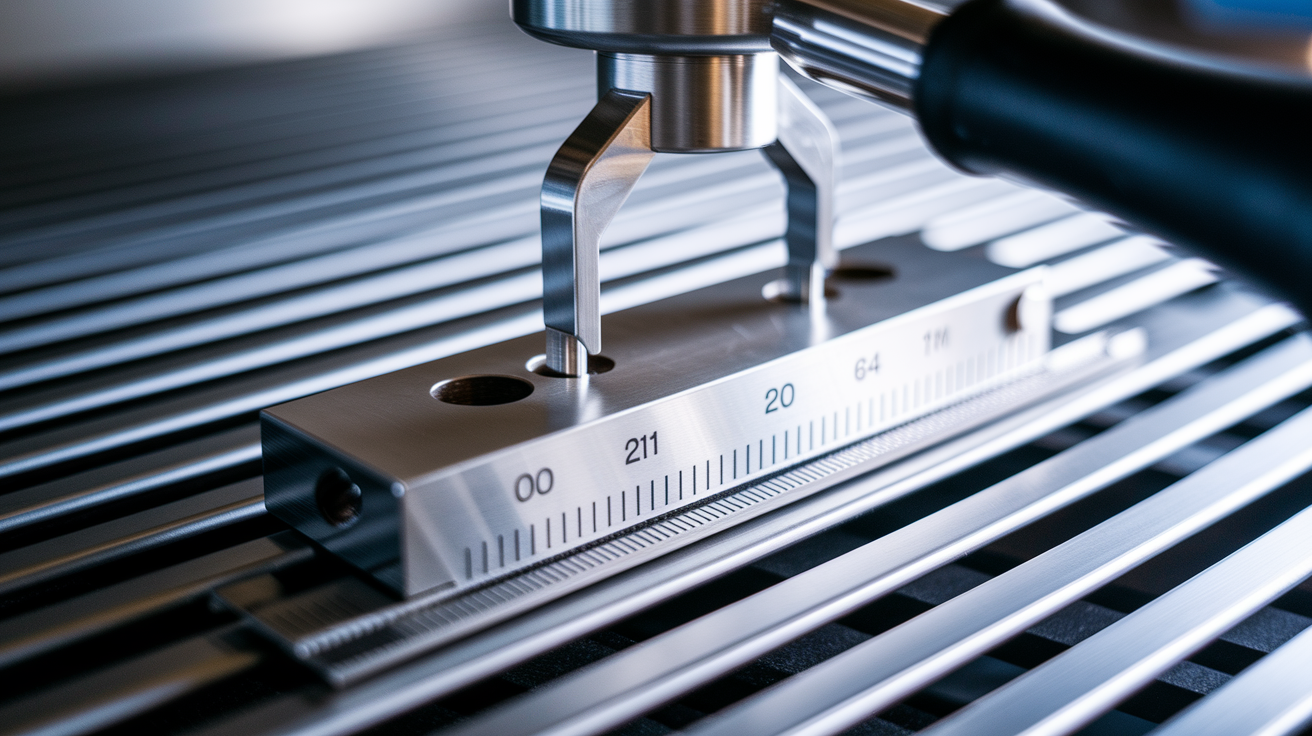
Set your leveler to contact the grounds at 0 to 2 mm below the surface. This shallow depth flattens the top without creating a compacted layer that resists water flow. If the leveler compresses deeper, you create a dense cap that forces water to the edges, producing the classic donut extraction pattern visible on a bottomless pull. The goal is surface grooming, not pre‑tamping.
A leveler set too shallow won’t make full contact with the bed. You’ll see ridges or uneven height when you remove the tool, and those surface irregularities translate into tilted tamping and one‑sided flow. On a naked portafilter, this shows up as asymmetric droplet formation. One side wets before the other, and the stream leans to one edge. Adjust the depth until the leveler just kisses the top of the grounds and leaves a flat, consistent surface every time.
Signs and adjustments for leveler depth and pressure:
- Donut extraction or slow center flow: Leveler is set too deep or spinning too long. Reduce depth by 0.5 to 1 mm and shorten spin to 2 to 3 seconds.
- Surface ridges or uneven tamp contact: Leveler isn’t reaching the entire bed. Increase depth by 0.5 mm until the tool flattens the full diameter.
- One‑sided early flow on bottomless shots: Leveler base isn’t sitting flat, or the basket is tilted in the portafilter. Check that the basket locks squarely and that the leveler diameter matches the basket.
- Visible fines pushed to basket edge after leveling: Over‑spinning or too much downward pressure. Let the tool’s weight set the depth; don’t press. Reduce spin duration to 2 to 3 seconds.
Workflow Timing, Tamping Synergy, and Avoiding Re‑Segregation Before a Bottomless Pull
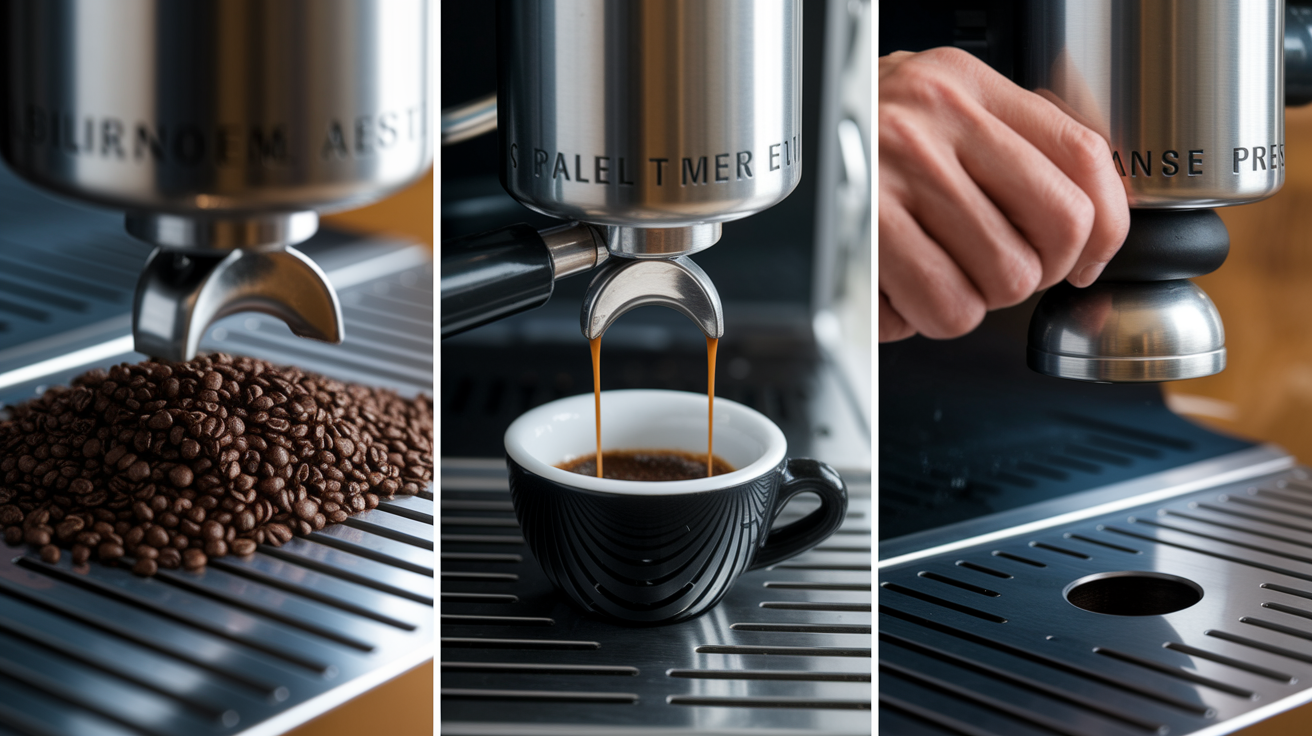
Fines don’t stay where you put them. After you finish leveling, gravity and static start pulling fine particles back down through the coarser grounds. This re‑segregation recreates the density gradients you just eliminated with WDT and the leveler. If you wait more than 30 to 60 seconds between leveling and tamping, you’ll see the same channeling problems you had before, even with perfect technique. On a bottomless portafilter, this delay shows up as random jets or one‑sided flow that weren’t there when you tested the routine with faster timing.
Tamp within 2 to 10 seconds of finishing with the leveler. This locks the bed before fines can migrate. Then lock the portafilter into the grouphead within 5 to 10 seconds of tamping. The tamp compresses the particles into a stable matrix, but that matrix is fragile until water pressure arrives to cement it. Any delay, bump, or side tap breaks the compression pattern and opens paths for water to rush through. Bottomless extractions reveal these breaks immediately as high‑speed jets in the first few seconds.
The tamp pressure benchmark is roughly 30 pounds, but levelness and timing matter more than hitting an exact force. A level tamp at 25 pounds within 5 seconds of leveling will outperform a perfect 30‑pound tamp applied 45 seconds later. Bottomless shots show the difference clearly: the timed routine produces symmetrical droplets and a stable cone, while the delayed tamp produces erratic sprays and uneven crema. If your shot‑to‑shot timing variance is high even with consistent grind and dose, measure the seconds between leveling and tamping and tighten that window.
Before/After Improvement Metrics When Adding a Distribution Leveler to a Bottomless Workflow
Adding a distribution leveler to a bottomless portafilter workflow changes measurable outcomes, not just visuals. Before integrating WDT and a leveler, a typical home setup might dose 18 g, yield 36 g in 22 seconds, and show visible side sprays and thin jets on a naked pull. Flavor is often harsh or sour, and shot timing jumps by ±5 to 8 seconds between pulls with identical settings. After adding proper distribution, the same 18 g dose yields 36 g in 26 seconds with smooth, symmetric flow and improved crema. Timing variance drops to ±2 to 3 seconds, and the cup tastes balanced.
| Metric | Before Leveler | After Leveler + WDT |
|---|---|---|
| Dose → Yield | 18 g → 36 g | 18 g → 36 g |
| Extraction time | 22 seconds (with visible side sprays) | 26 seconds (smooth, symmetric flow) |
| Shot‑to‑shot timing variance | ±5 to 8 seconds | ±2 to 3 seconds |
| Bottomless visual result | Jets, one‑sided flow, thin streams | Even droplets merging into stable central cone |
Troubleshooting Distribution-Leveler Problems Revealed Through Bottomless Portafilter Shots
Most leveler problems show up in the first 10 seconds of a bottomless extraction. If you see jets, the leveler didn’t eliminate deep clumps. Add WDT before leveling. If the center stays dry while edges flow, the leveler is set too deep or you’re spinning too long, creating a dense surface cap. If one side wets before the other, the leveler isn’t sitting flat or the tamp is tilted. Each fault has a specific visual signature you can see immediately, test a fix, and confirm the correction in the next pull.
Over‑stirring with WDT creates air pockets that show up as foamy, unstable early drips. Reduce stroke count by 5 to 10 and slow your stirring motion. Excessive needle depth scrapes the basket bottom and compacts fines into bald spots that never wet. Keep needles to 3 to 6 mm depth. Side‑tapping the portafilter after tamping breaks the puck seal and creates lateral density shifts visible as asymmetric flow. Never tap the side after you tamp.
Long workflow delays let fines re‑segregate. If your bottomless shots look good on test pulls but inconsistent during back‑to‑back service, measure the time between leveling and extraction. Tighten the workflow so you tamp within 2 to 10 seconds of leveling and lock in within 5 to 10 seconds of tamping. Grind mismatch can also defeat even the best distribution. If you’re already using WDT, a leveler, and correct timing but still see heavy channeling, adjust your grind finer by one step and test again with the bottomless portafilter.
Quick fault‑to‑fix list:
- Jets or sprays in first 5 seconds: Add WDT or increase WDT stroke count; confirm grind isn’t too coarse.
- Donut extraction (edges fast, center slow): Reduce leveler contact depth to 0 to 2 mm; shorten spin time to 2 to 3 seconds.
- One‑sided flow: Check tamp levelness; ensure leveler base sits flat on grounds before spinning.
- Bald spots or dry patches: Keep WDT needles shallower (3 to 6 mm); inspect basket for damage or buildup.
- High shot‑to‑shot timing variance: Tighten workflow timing (tamp within 2 to 10 s of leveling, lock within 5 to 10 s); verify dose accuracy to ±0.1 g.
Care, Calibration, and Weekly Maintenance for Levelers and Bottomless Portafilters
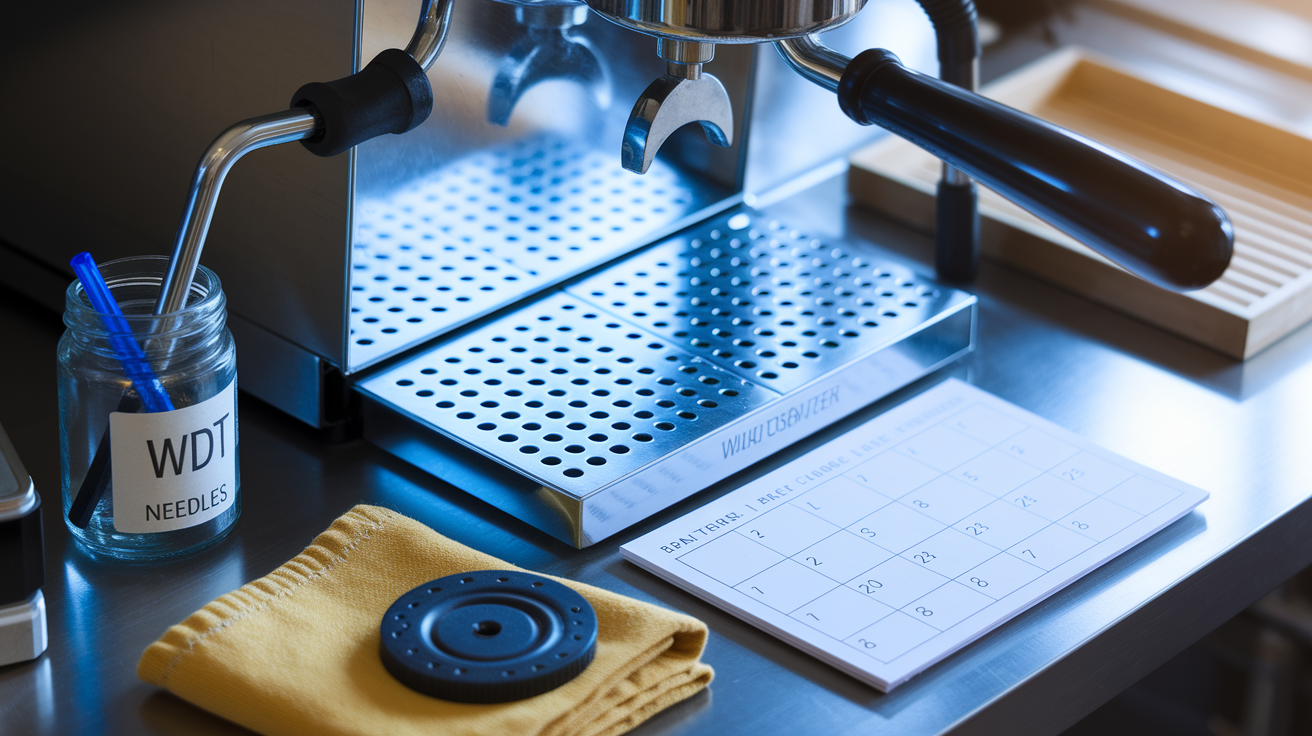
Clean WDT needles weekly or after every 100 to 200 doses. Wash them with warm soapy water and dry thoroughly to prevent rust. Coffee oils and fine particles build up on the needles and reduce their ability to break clumps. Inspect needles every 2 to 4 weeks for bends, chips, or corrosion. A bent needle will compact grounds instead of stirring them, and you’ll see the result as localized jets on your next bottomless pull. Replace damaged needles immediately.
Check your distribution leveler’s depth lock and base flatness monthly. Over time, the adjustment mechanism can drift or the base can warp from heat and moisture. Recalibrate the depth setting to 0 to 2 mm contact and verify that the base sits flat on a clean counter. Rinse your bottomless portafilter after every few shots during service and give it a full scrub weekly. Avoid the dishwasher. High heat can warp the exposed basket threads and damage handles. Use a barista cloth for quick wipes between pulls and a soft brush for basket-hole buildup.
Maintenance interval checklist:
- Daily: Rinse bottomless portafilter and leveler base after each session; wipe WDT needles.
- Weekly: Wash WDT needles with soap and water; scrub portafilter basket with a brush; check leveler base for coffee buildup.
- Every 2 to 4 weeks: Inspect WDT needles for bends or chips; replace if damaged.
- Monthly: Recalibrate leveler depth setting to 0 to 2 mm; verify base flatness; inspect portafilter basket threads and gasket contact area.
Final Words
Set your dose, do a 3–6 mm WDT, spin the leveler 2–5 seconds, tamp within 2–10 seconds, lock in 5–10 seconds, and watch the first 2–10 seconds for even flow.
You also checked leveler depth, matched the diameter to the basket, and avoided over‑spinning while using the bottomless portafilter to spot jets, donuts, or bald spots fast.
Stick to the sequence and note time and yield; using a distribution leveler with bottomless portafilter will cut channeling, tighten shot times, and save beans. You’ll get steadier, tastier pulls and fewer wasted shots.
FAQ
Q: What are the disadvantages of bottomless portafilter?
A: The disadvantages of a bottomless portafilter are visible sprays and mess, louder extractions, clear display of distribution flaws, greater heat and crema variability, and need for precise dose, grind, and prep to avoid channeling.
Q: What happens when you have uneven levels of coffee compacted in the portafilter?
A: Uneven levels of compacted coffee cause channeling and uneven flow, producing fast bitter or sour pockets, cratered pucks, and inconsistent yields; fix with WDT, leveling, and a consistent tamp and dose.
Q: Do you get more crema with bottomless portafilter?
A: A bottomless portafilter does not inherently produce more crema; it reveals crema quality and flow. Crema depends on fresh beans, correct dose, grind, pressure, and extraction, not the naked portafilter alone.
Q: How to prevent channeling bottomless portafilter?
A: To prevent channeling with a bottomless portafilter, dose to ±0.1 g, WDT 3–6 mm with 10–30 strokes, leveler spin 2–5 s, tamp within 2–10 s, lock in 5–10 s, and watch early flow for jets.