


Think your grinder or beans are to blame? Often it’s the gasket.
Replace it on a schedule and most leaks, loose portafilters, and weird tastes go away.
This post gives a clear timeline: home, medium, prosumer, and café schedules, the signs a gasket is dead, and one simple check you can run now: test how tightly the portafilter locks.
Read on to learn when to swap gaskets so your shots stay consistent and you avoid mid-shot disasters.
Recommended Gasket Replacement Timeline
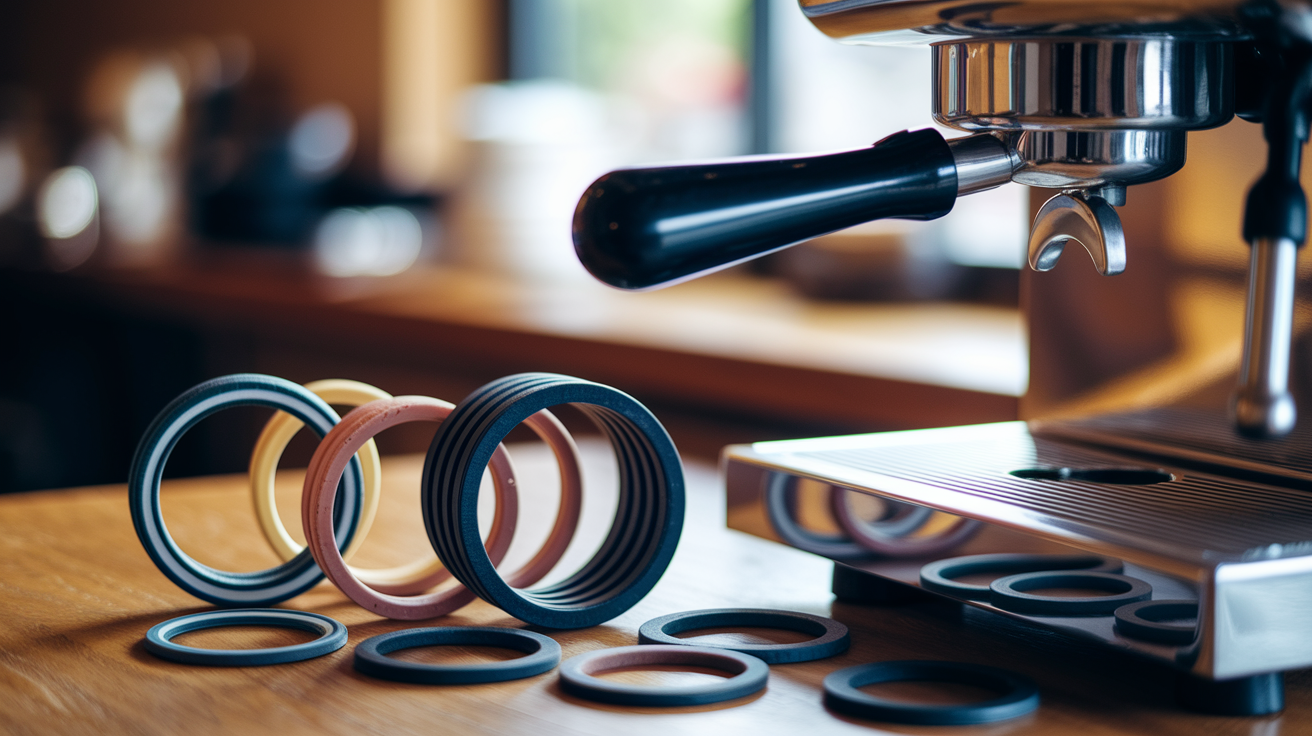
Most espresso machine gaskets need replacement every 6 to 12 months if you’re pulling shots at home. Heavy commercial environments accelerate wear, so you’re looking at changes every 3 to 6 months. Heat, brewing pressure, and coffee oils all contribute to gasket hardening and compression over time.
Think of your gasket as a consumable part. Not a permanent one. Even if you don’t see visible damage, the rubber or silicone loses flexibility with every heat cycle and shot you pull.
Replacement timeline by usage level:
- Home/light use (1 to 3 shots per day): Replace every 12 months.
- Medium home use (4 to 8 shots per day): Replace every 6 to 9 months.
- Prosumer/enthusiast use (10 to 20 shots per day): Replace every 4 to 6 months.
- Light commercial/café use (20 to 60 shots per day): Replace every 3 to 6 months.
- Heavy commercial use (60+ shots per day): Replace every 1 to 3 months or at first sign of failure.
Signs Your Espresso Machine Gasket Needs Replacement

A worn gasket shows up in your shots before you see it with your eyes. Leaking around the portafilter, bitter or uneven tasting espresso, and loose portafilter engagement are the most common symptoms.
If the portafilter used to lock firmly and now spins easily or feels loose, the gasket’s compressed and lost its seal. Visible cracking, flattening, or hardening means the gasket’s past due. Don’t wait until water sprays from the group head mid shot.
Common gasket wear signs:
- Water dripping or spraying from the portafilter seal during brewing.
- Portafilter locks loosely or rotates without resistance.
- Puck sticks to the shower screen after pulling a shot (over compression or uneven seal).
- Bitter, astringent, or thin tasting shots with no grind or dose changes.
- Visible cracks, chunks missing, or a flattened profile when you remove the gasket.
- Uneven extraction or “donut” patterns in the puck (water bypassing edges).
- Sudden drop in brewing pressure or faster than normal shot times with the same grind.
Factors That Influence Gasket Lifespan
Shot volume’s the biggest driver. A machine pulling 10 shots per day wears gaskets much faster than one pulling two. Every brew cycle means heat expansion, pressure compression, and contact with acidic coffee oils.
Temperature cycling stresses the gasket. Machines that heat up and cool down daily expand and contract the rubber, which accelerates cracking. Continuous run commercial machines maintain more stable temps but expose gaskets to constant heat. That hardens the material over time.
Six factors that shorten or extend gasket life:
- Daily shot count: More shots mean more compression cycles and faster wear.
- Machine run time and temperature cycling: Frequent on/off cycles stress rubber. Always on machines harden gaskets faster.
- Gasket material: Silicone resists heat better and lasts longer. Standard rubber degrades faster but costs less.
- Backflushing frequency and detergent use: Regular cleaning removes oils that degrade rubber, but harsh chemicals can accelerate breakdown if you overuse them.
- Water hardness: Scale buildup creates uneven seating and pitting. Soft or filtered water extends gasket life.
- Portafilter handling: Yanking or prying sideways tears gaskets. Straight removal and proper alignment reduce mechanical damage.
Types of Espresso Machine Gaskets
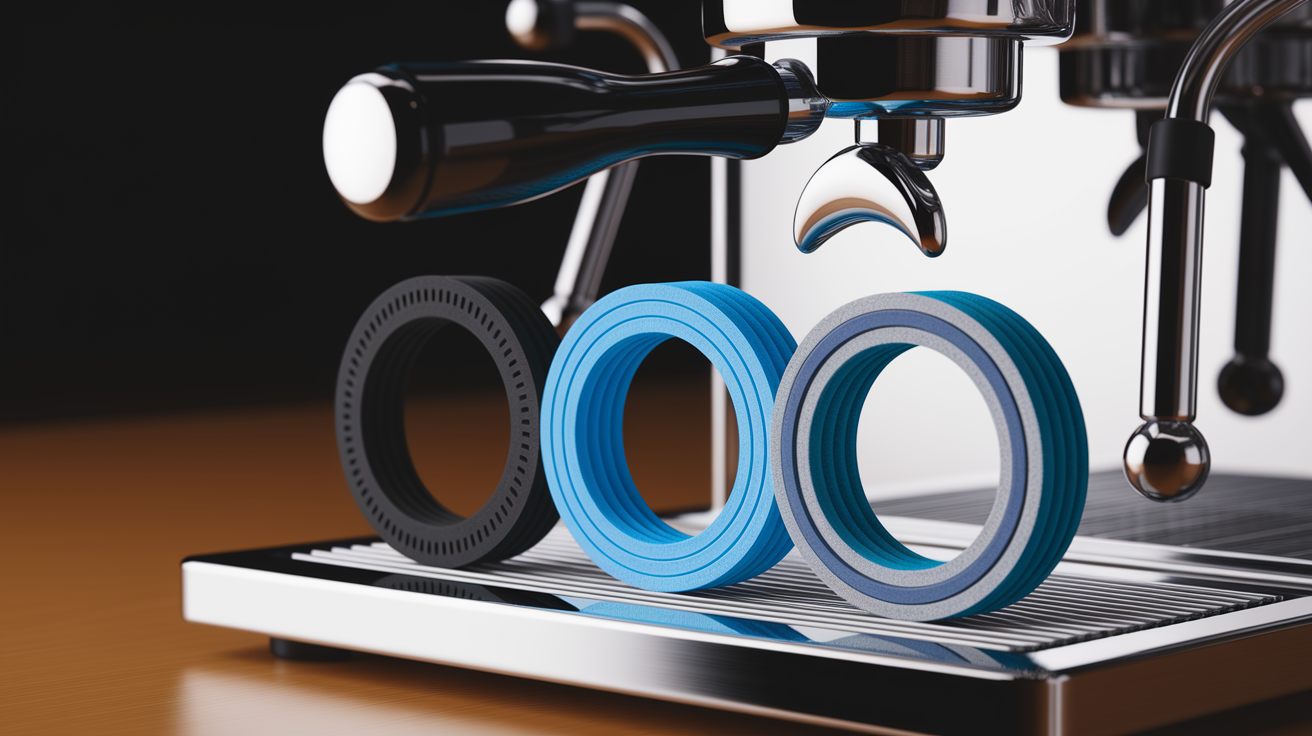
Gasket material dictates how long the part lasts and how it reacts to heat and pressure. Rubber gaskets are the standard for most home machines, silicone gaskets are common upgrades, and commercial grade gaskets are built thicker for high volume environments.
Rubber Gaskets
Standard rubber (NBR or EPDM) gaskets are the most common and cheapest option, typically costing $3 to $10. They handle normal espresso temperatures (around 200°F) and provide a reliable seal for 6 to 12 months under home use.
Rubber hardens faster than silicone and loses flexibility with heat cycling. You’ll see visible compression and flattening after a few hundred shots. If you’re pulling multiple shots daily, plan to replace rubber gaskets closer to the 6 month mark.
Silicone Gaskets
Silicone gaskets resist higher temperatures (up to 400°F) and maintain flexibility longer, often lasting 12 to 24 months in home machines. They cost slightly more, usually $8 to $20, but the extended lifespan offsets the price difference.
Silicone doesn’t harden as quickly under heat. It resists coffee oil breakdown better than rubber too. If your machine runs hot or you want fewer replacements, silicone’s the practical upgrade. The feel when locking the portafilter is firmer and more consistent over time.
Commercial Grade Gaskets
Heavy duty gaskets designed for café machines use thicker cross sections and reinforced materials to handle hundreds of shots per day. They’re built to maintain compression under continuous use and resist the wear from constant portafilter engagement.
Commercial gaskets typically cost $10 to $30 and may require more frequent replacement (every 3 to 6 months) simply due to shot volume. They’re overkill for home use but essential for any machine pulling more than 50 shots daily. Check your machine’s parts manual for the correct commercial spec if you’re running a café setup.
How to Replace an Espresso Machine Gasket
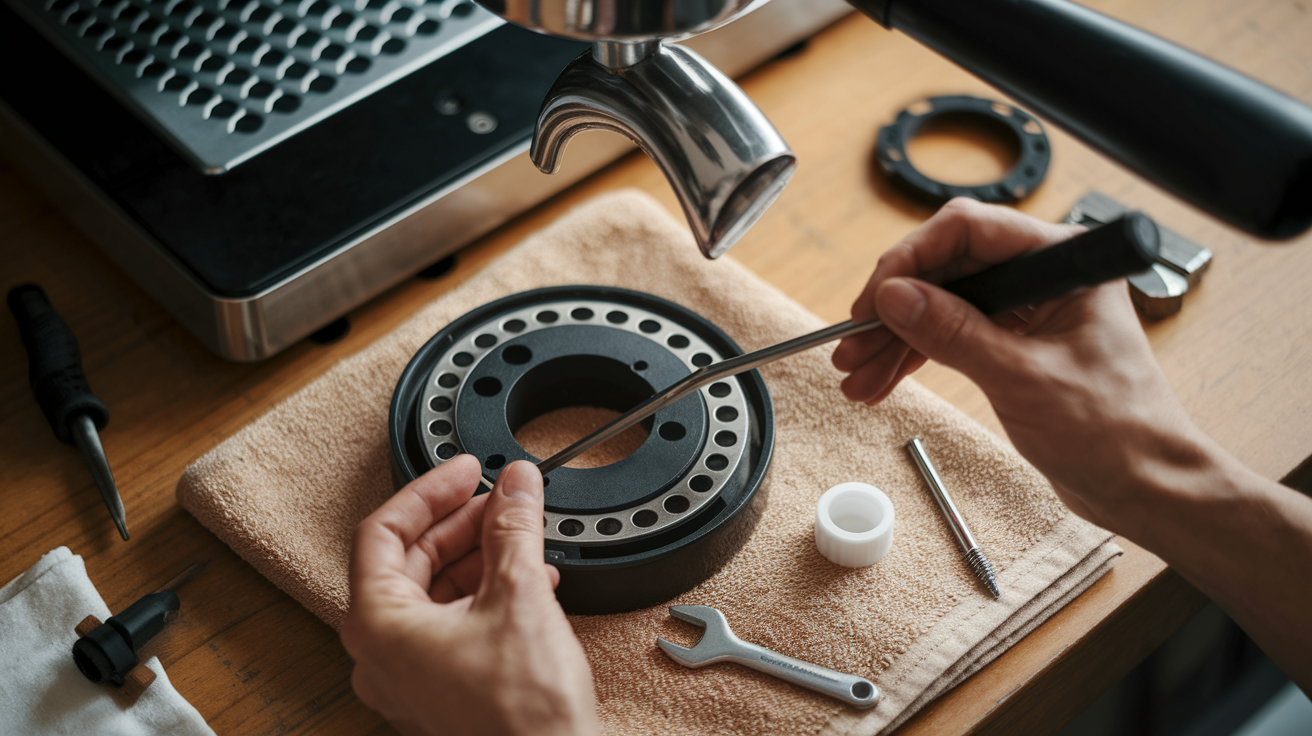
Gasket replacement’s straightforward once you know the order of disassembly. The job takes 10 to 30 minutes depending on how stuck the old gasket is and whether you’re also replacing the shower screen.
Preparation Steps
- Turn the machine off and let it cool for at least 20 minutes. Hot metal and burnt fingers don’t mix.
- Remove the portafilter and set it aside.
- Gather your tools: flathead screwdriver or gasket pick, small hex wrench (if your shower screen uses screws), replacement gasket, food grade silicone grease, and a clean cloth.
- Lay out a towel to catch any debris or small screws.
- Double check you have the correct gasket size and type for your machine model before starting.
Removing the Old Gasket
- Unscrew and remove the shower screen and any retaining screws or springs. Note their orientation for reassembly.
- Insert the flathead screwdriver or pick under the edge of the old gasket and pry it out gently, working around the circumference.
- If the gasket’s stuck or hardened, carefully work the tool deeper without scratching the group head bore.
- Once the gasket pops free, pull it out completely and inspect the groove for debris, scale, or coffee residue.
- Wipe the gasket groove clean with a damp cloth and check for pitting or damage. Minor surface wear’s normal, but deep gouges may affect the seal.
Installing the New Gasket
- Test fit the new gasket dry to confirm size and check which side is the sealing face (some gaskets have a beveled or rounded edge that faces down).
- Apply a small pea sized smear of food grade silicone grease to the inside lip of the gasket. This helps it slide into place and prevents tearing during portafilter insertion.
- Press the gasket into the groove evenly, starting at one point and working around the circle to seat it fully without twisting or stretching.
- Reinstall the shower screen, springs, and screws in the same orientation you removed them, tightening screws snugly but not overtorqued.
- Insert the portafilter and lock it in place. It should feel firm but not excessively tight.
- Run 2 to 3 blank shots (no coffee) to seat the gasket and check for leaks around the portafilter seal. If water drips, remove and re seat the gasket, checking alignment.
Maintenance Tips to Extend Gasket Lifespan
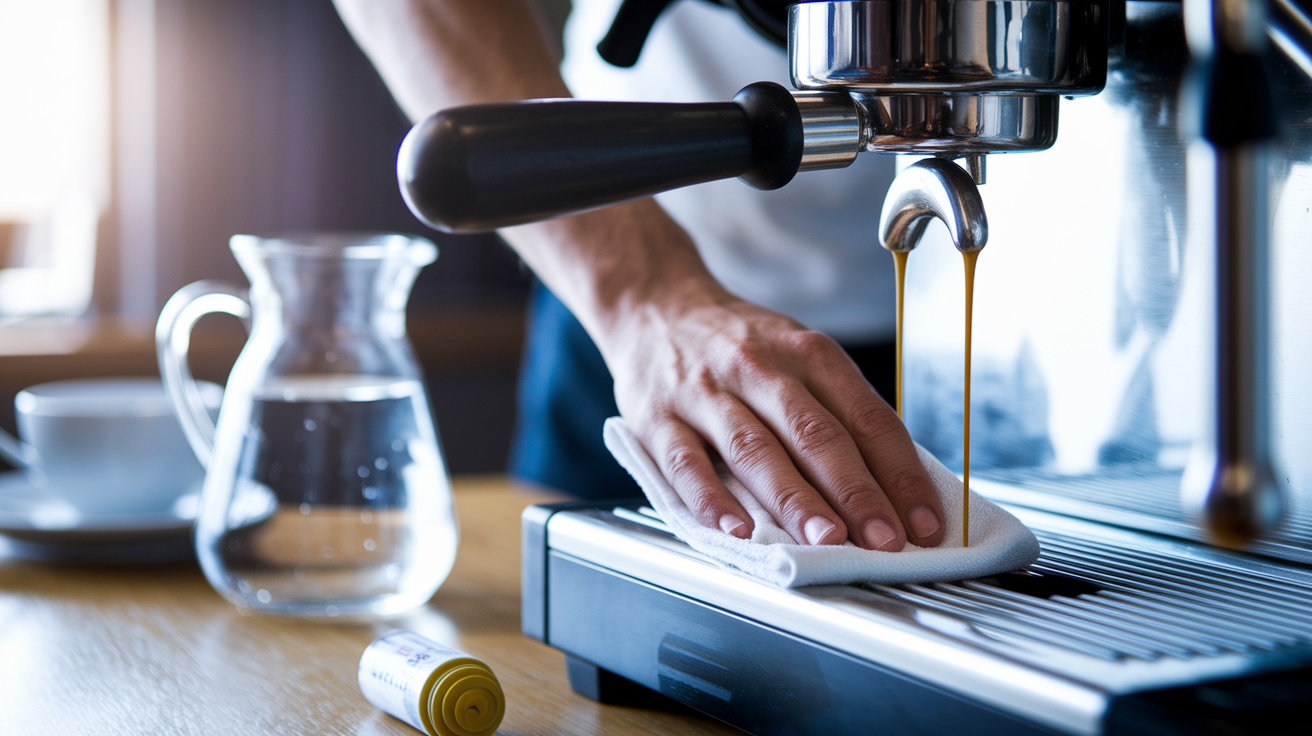
Regular backflushing removes coffee oils that chemically break down rubber and silicone. Even plain water backflushes help clear residue from the gasket surface and group head threads.
Wiping the group head face and gasket after each session prevents hardened grounds from embedding in the rubber. Small particles create uneven seating and accelerate wear. If grounds are left to bake on, they’ll tear the gasket when you lock the portafilter.
Eight ways to make your gasket last longer:
- Backflush weekly with water and use espresso machine detergent every 2 to 4 weeks (daily if you’re running commercial volume).
- Wipe the group head and gasket after every few shots to remove grounds and oils.
- Use filtered or softened water to reduce scale buildup that causes pitting and uneven compression.
- Remove the portafilter straight out, not by prying or twisting sideways, to prevent tearing the gasket edge.
- Don’t leave the portafilter locked in when the machine’s idle for hours. Constant compression shortens gasket life.
- Inspect the gasket every 3 to 6 months for visible cracks, flattening, or hardening, and replace before it fails mid shot.
- Apply a thin layer of food grade silicone grease during installation and after deep cleaning to reduce friction and moisture damage.
- Keep one spare gasket on hand so you’re not waiting on shipping when the current one fails. Spares cost under $15 and prevent downtime.
Final Words
We covered the timeline, common wear signs, factors that change lifespan, gasket types, step‑by‑step replacement, and simple maintenance to stretch gasket life.
Quick rule: most home gaskets last 6–12 months; heavy use can need 3–6 months. Check the group head for leaks, a loose portafilter, or a flattened gasket and swap it when those show up.
If you’re wondering how often to replace espresso machine gasket, use the timeline above and replace sooner when you see wear. You’ll keep shots steady and save time.
FAQ
Q: How long do espresso gaskets last / What is the lifespan of a gasket?
A: Espresso gaskets typically last 6–12 months for home use; heavy commercial use may need replacement every 3–6 months. Silicone gaskets can last 12–24 months with light, careful use.
Q: What is the average lifespan of an espresso machine?
A: The average lifespan of an espresso machine is about 5–15 years with routine maintenance; commercial machines vary more but can last many years if serviced and parts replaced regularly.
Q: How do I know if my gasket needs replacing?
A: You know your gasket needs replacing when you see leaking at the portafilter, loose locking, bitter or uneven shots, visible cracks or flattening, or water spraying during extraction.