


Thinking of levering a stuck gasket out with a screwdriver? Stop, that’s how you scar a portafilter.
A gasket can lock in place when oils harden, heat swells rubber, and scale cements the ring to the metal.
This post shows a safe, repeatable way to free it using heat, food-grade silicone grease, and plastic pry tools so you avoid scratches and tears.
First step: unplug the machine and let the grouphead cool until it’s safe to touch.
Follow the simple sequence and you’ll pop the gasket out cleanly.
Quick Steps to Remove a Jammed Espresso Gasket Safely
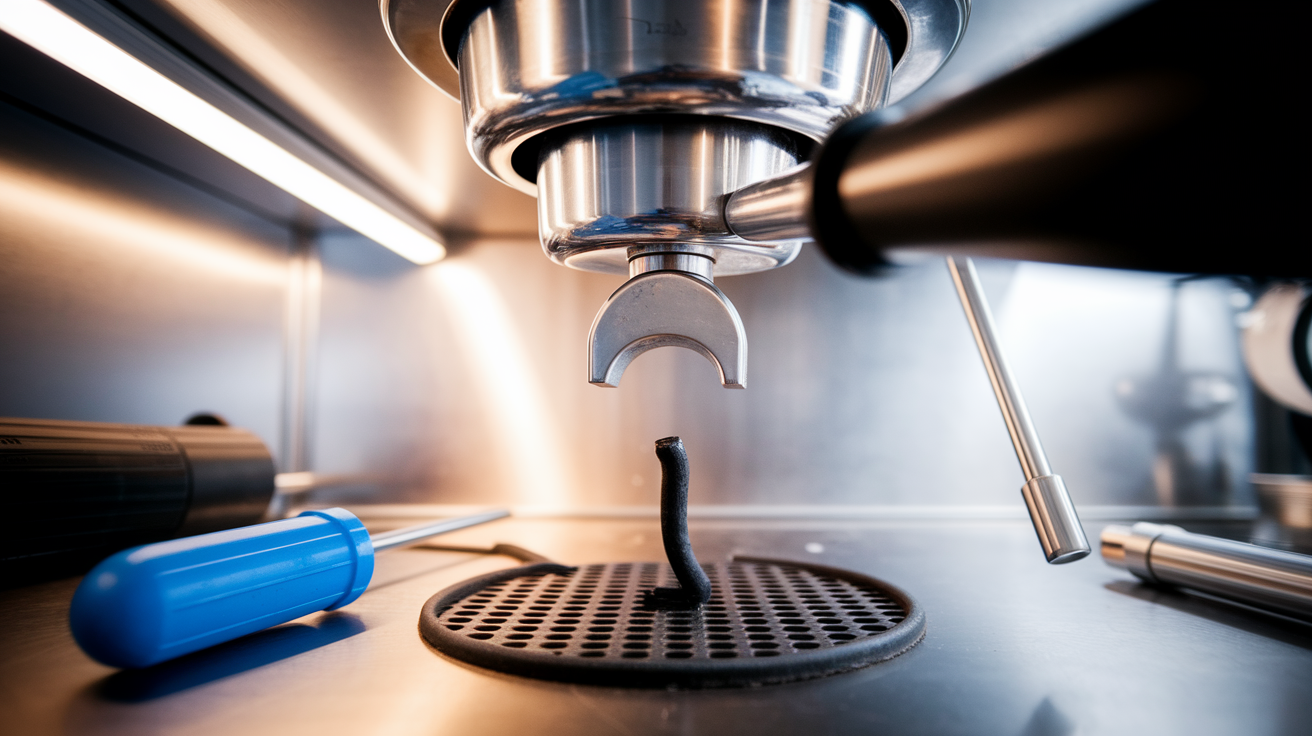
A stuck grouphead gasket will bring your espresso routine to a full stop. Coffee oils harden, heat makes the metal expand, old rubber swells. Together they create a seal so tight you can’t budge the thing. Instead of grabbing a screwdriver and risking gouges on your portafilter or grouphead, use controlled heat, safe lubrication, and plastic tools to coax it free without wrecking anything.
The core sequence is simple: thermal expansion breaks the bond, gentle mechanical pressure gets an edge started, and patience lets you work your way around. Rush it or force one spot and you’ll tear the gasket, leaving bits stuck in the groove. That’s harder to fix than the original problem.
Fast removal steps:
- Unplug the machine and let the grouphead cool until you can handle it safely (around 50 to 60°C).
- Apply heat with a hairdryer for 15 to 60 seconds, or pour 60 to 80°C water over the grouphead lip to expand the metal a bit.
- Put 1 to 3 drops of food‑grade silicone grease around the gasket edge and wait 5 to 10 minutes.
- Use a plastic pry tool or nylon spudger to lift the gasket edge at several points. Move around the circle, prying a few millimeters at each spot.
- Once an edge is free, insert a plastic dowel or wooden chopstick from the inside and push the gasket out.
- If it’s still stuck, soak the grouphead in warm descaler solution (1 to 2%) for 30 to 60 minutes, then try steps 2 through 5 again.
- Clean the groove with isopropyl alcohol and a toothbrush before you install a new gasket.
Tools you’ll need:
- Plastic pry tools or nylon spudgers (2 to 4 pieces, $3 to $12)
- Food‑grade silicone grease (small tube, around $5 to $12)
- Isopropyl alcohol 70 to 90% (5 to 20 mL for degreasing)
- Hairdryer or low heat gun
- Wooden chopstick or plastic dowel
Pros & Cons of Common Espresso Gasket Removal Methods
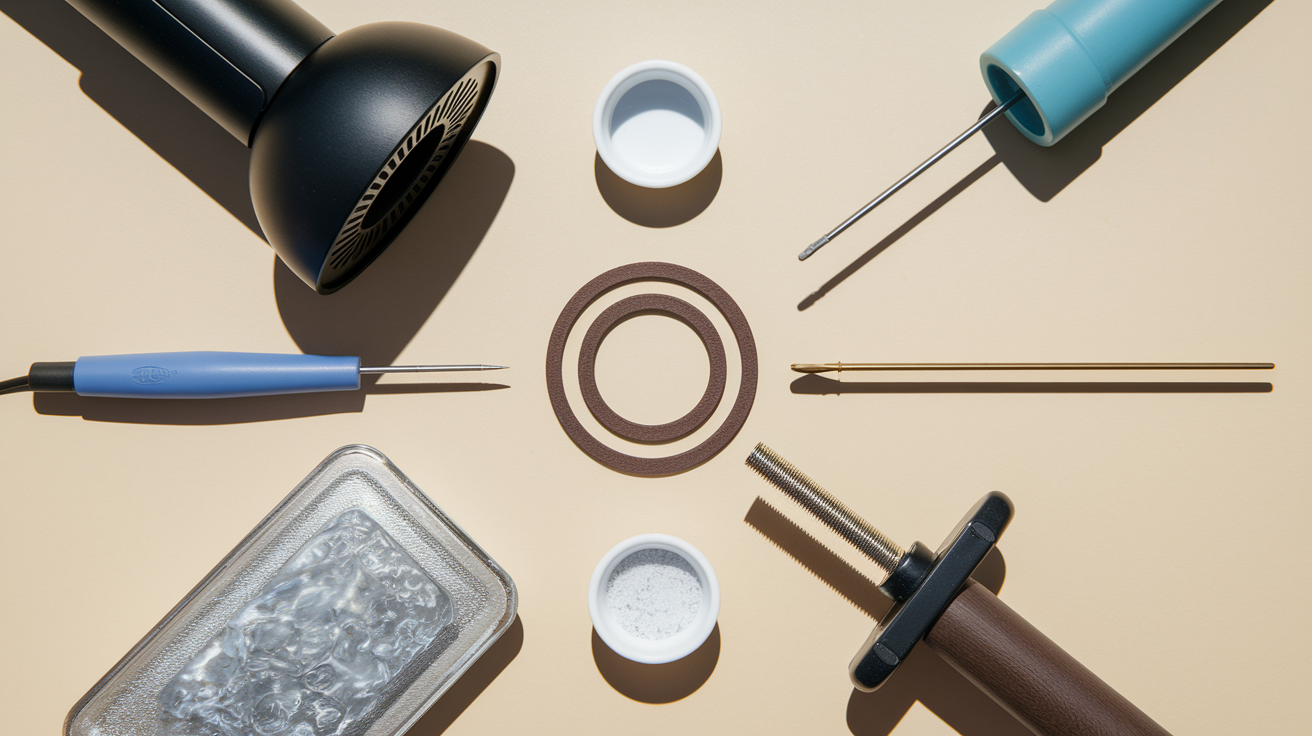
Different removal techniques give you speed, safety, or ease. Pick the wrong one and you’ll waste time or damage something. Heat softening works fast on newer machines with good plating, but older brass groupheads with fatigue cracks can warp. Lubricant methods are gentle and cut the chance of tearing, but they need patience and won’t always penetrate heavy calcium buildup. Mechanical prying with plastic tools gives you direct control. Still, if you keep hitting the same spot you can deform soft metals or leave permanent marks.
Freezing and contraction methods are low risk for the portafilter, but they need a machine design that allows safe cooling without condensation damage. Full grouphead soaks work great on stubborn seals, yet they require complete disassembly and careful reassembly. Mess up the cleaning and you’ll introduce new leaks.
Pros:
- Heat methods expand metal quickly and often free lightly stuck gaskets in under two minutes.
- Lubrication lets you wedge things without tearing rubber or silicone.
- Plastic pry tools get rid of the scratch risk you get with metal screwdrivers.
- Soaking dissolves oils and scale that mechanical force alone can’t shift.
- Freezing avoids heat exposure on machines with sensitive electronics or aging seals.
Cons:
- Too much heat can melt gasket material or damage chrome plating (anything above 120°C).
- Lubricants need wait time and might not penetrate if the gasket is fully calcified.
- Plastic tools can snap under too much force, leaving fragments in the groove.
- Soaking means full machine shutdown and spill risks if you don’t contain it properly.
- Freezing works slowly and may cause condensation that corrodes internal parts if moisture isn’t managed.
What Is an Espresso Grouphead Gasket?
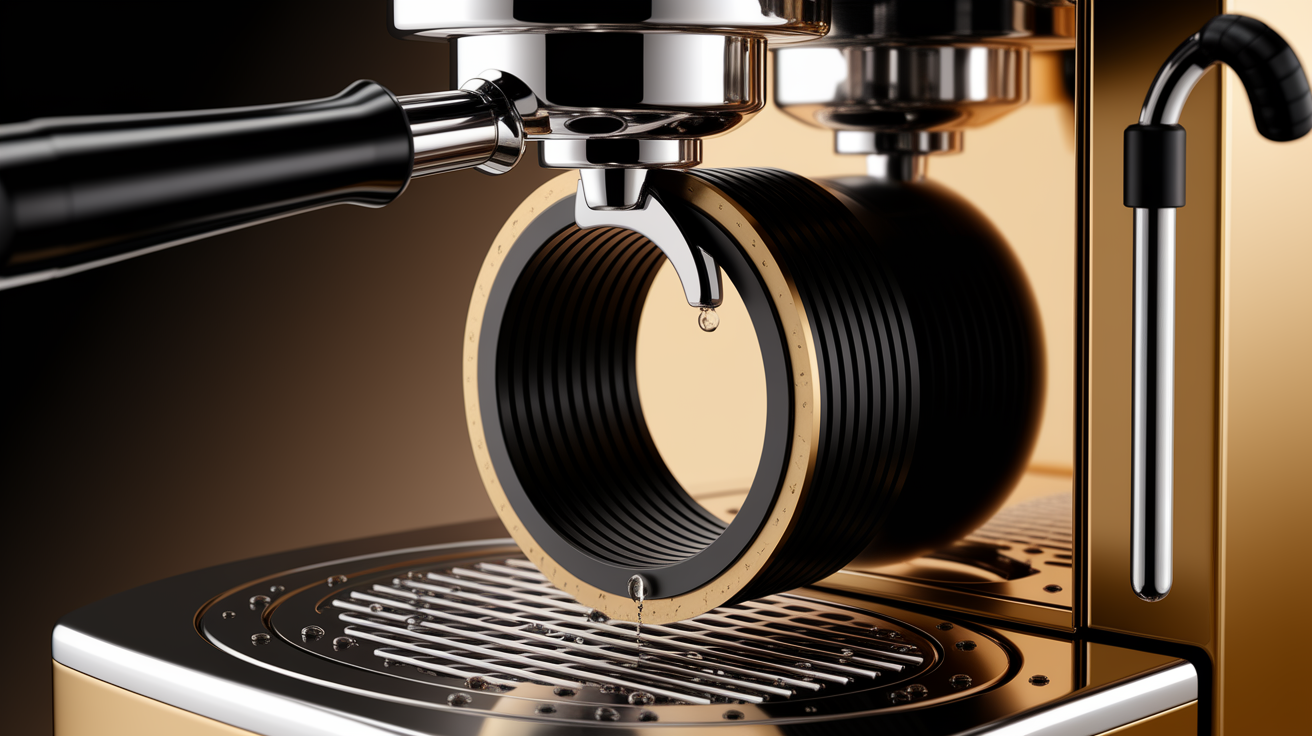
The grouphead gasket is a rubber or silicone ring seated in a groove at the top of the grouphead. When you lock the portafilter in, the gasket compresses against the portafilter’s rim and creates a watertight seal. That seal forces brewing water through the coffee puck instead of leaking around the edge. Most gaskets use NBR rubber, silicone, or Viton. They degrade after 6 to 12 months of daily use as heat, pressure, and oils break down the material.
Gaskets get stuck when coffee oils harden into something that feels like glue, when the rubber swells from heat exposure, or when calcium deposits from hard water cement the seal in place. Once it’s stuck, the gasket won’t lift out by hand. Try to pull the portafilter free and you risk tearing the gasket or damaging the grouphead threads.
Common causes:
- Coffee oils and fines baked onto the gasket surface by heat cycles
- Swelling from leaving the portafilter locked in overnight or during long idle periods
- Calcium and mineral scale buildup in hard water areas
- Aging rubber that loses elasticity and bonds to metal
- Over tightening the portafilter while the grouphead is hot, compressing the gasket past its elastic limit
- Poor cleaning that leaves grounds and residue in the seating groove
What Is a Portafilter?
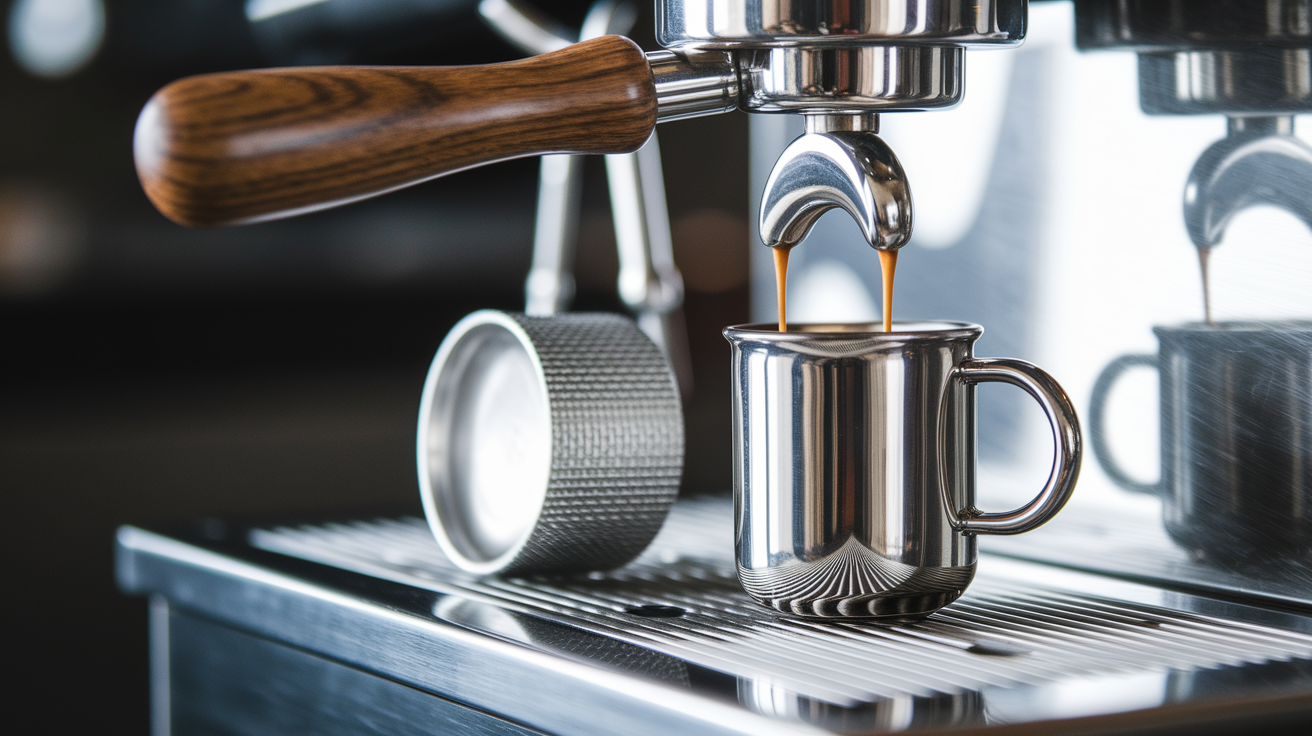
The portafilter is the handled tool you lock into the grouphead to hold the coffee basket during brewing. Most are made from brass or stainless steel, with a threaded or bayonet lock mechanism that clamps the rim against the grouphead gasket. When you engage the lock, the portafilter applies pressure to the gasket. Brewing water flows from the grouphead, through the puck, and into your cup.
Improper locking can crush the gasket and increase friction, making future removal harder. Buildup on the portafilter rim or inside the grouphead lugs strains the gasket and can cause uneven sealing, which leads to leaks or a gasket that won’t release cleanly.
Key points:
- The portafilter rim must be clean and flat for the gasket to seal evenly.
- Bayonet lock wear or bent lugs can mimic gasket problems and need thickness adjustments.
- Leaving the portafilter locked in for long periods increases gasket compression set.
- Chrome or nickel plating on the portafilter scratches easily if you use metal tools during gasket removal.
What Are the Main Causes of Stuck Espresso Gaskets?
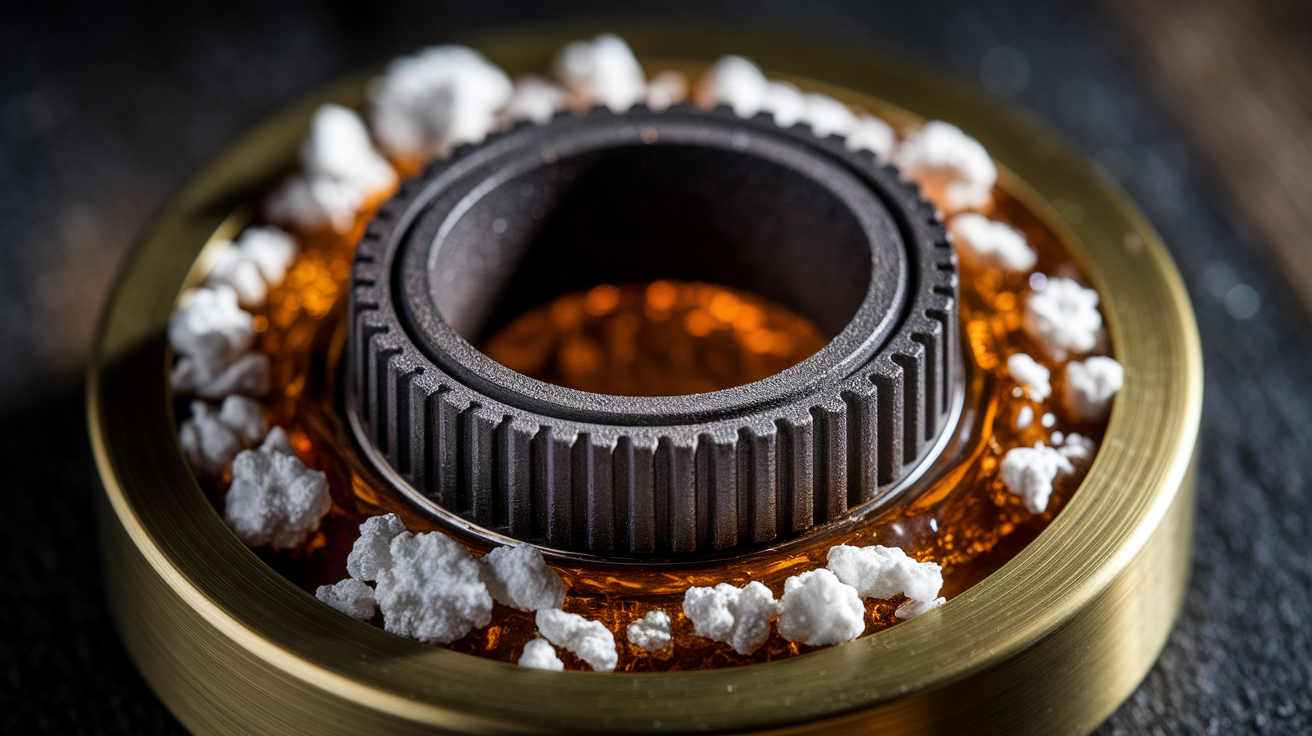
Heat cycling is the biggest problem. Every brew heats the gasket, every cool down contracts it. Over time, the rubber or silicone hardens, loses flexibility, and bonds to coffee oils that have polymerized onto the metal. Poor cleaning habits let fines and oils pile up in the seating groove, creating a sticky layer that acts like adhesive. Swelling rubber, especially common in NBR gaskets exposed to heat, expands into the groove and won’t compress back to its original size.
Hard water makes it worse. Calcium and magnesium deposits form scale inside the grouphead and on the gasket surface, cementing the seal in place. Many machines build up residue inside the locking lugs. That buildup transfers to the portafilter rim and increases friction every time you lock and unlock.
Primary causes:
- Heat exposure from leaving the portafilter locked in overnight or during long pauses between pulls
- Coffee oils and fines that aren’t cleaned monthly, hardening into a glue like residue
- Swelling NBR rubber that expands beyond the groove’s tolerance
- Calcium scale in hard water areas (above 150 ppm hardness)
- Over tightening the portafilter while hot, compressing the gasket past its elastic recovery point
- Aging gaskets (beyond 12 to 18 months) that lose elasticity and bond chemically to metal
- Not descaling enough and failing to wipe the grouphead and portafilter rim after each session
Gaskets that have been in place for more than a year without replacement are especially prone to seizure. If you’ve never cleaned the seating groove, expect the gasket to resist removal even with heat and lubricant.
How to Remove a Stuck Espresso Gasket Without Damaging the Portafilter
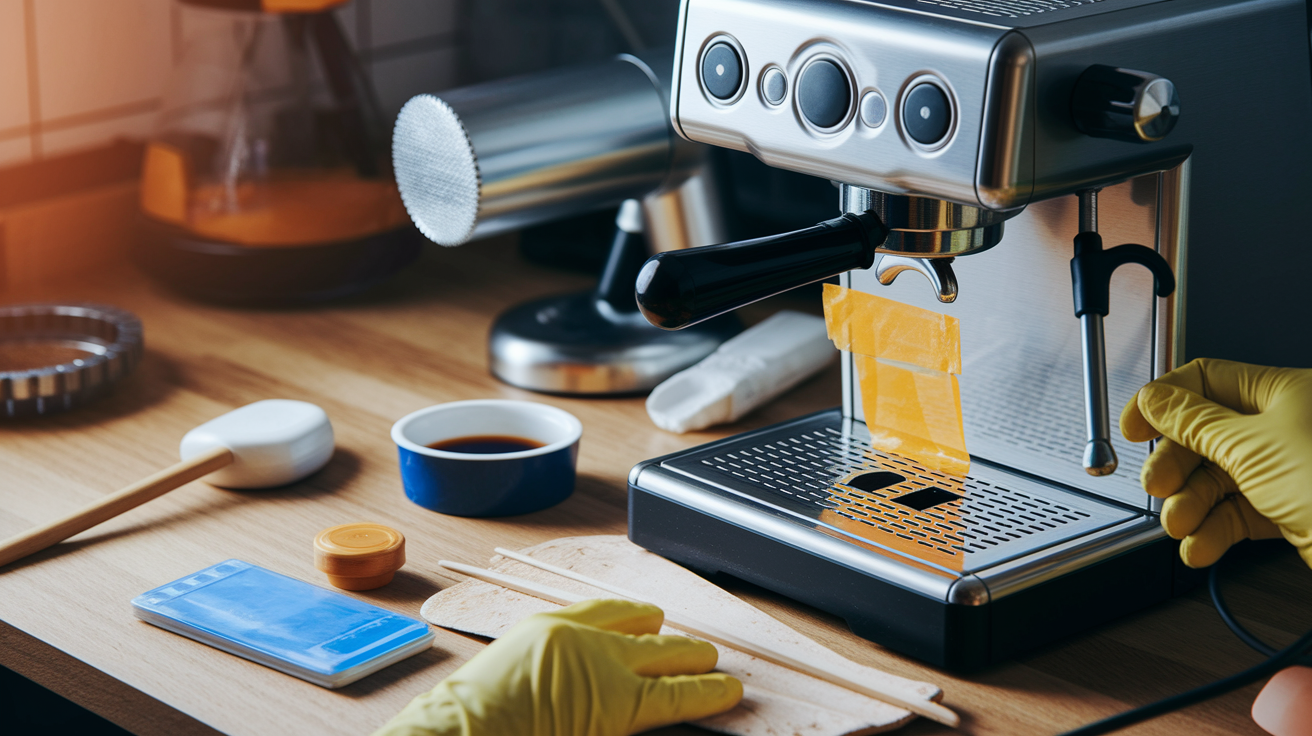
Heat Softening Method
Heat expands the metal grouphead slightly and softens hardened coffee oils, breaking the bond between gasket and groove. Use a hairdryer on medium heat, not a high temperature heat gun, to avoid melting the rubber or damaging chrome plating. Direct the airflow at the grouphead lip for 15 to 60 seconds, moving in a circular pattern to spread warmth evenly.
- Unplug the machine and let the grouphead cool to around 50 to 60°C so you can handle it safely.
- Hold a hairdryer 5 to 10 cm from the grouphead and heat the metal lip for 15 to 60 seconds, rotating the dryer to cover the entire circumference.
- Right away, apply 1 to 3 drops of food‑grade silicone grease around the gasket edge.
- Use a plastic pry tool to lift the gasket at 3 to 4 points around the circle, working gently to avoid tearing.
- If the gasket doesn’t move, repeat the heat cycle and try again after another 10 minute wait.
Lubrication & Pick Method
Food grade silicone grease gets between the gasket and the groove, reducing friction and letting plastic picks wedge under the edge without tearing. Apply lubricant sparingly. Too much will make the gasket slippery and harder to grip. Wait 5 to 10 minutes for the grease to work into the seal before you try mechanical leverage.
- Apply 1 to 3 drops of food‑grade silicone grease around the entire gasket perimeter.
- Wait 5 to 10 minutes to let the lubricant penetrate.
- Insert a plastic pry tool or nylon spudger at one spot and lift the gasket edge a few millimeters.
- Move to a spot 90 degrees around the circle and repeat, working around the circumference rather than forcing one area.
- Once an edge is free, insert a wooden chopstick or plastic dowel from the inside to push the gasket out.
Freezing & Contraction Method
Cooling the grouphead contracts the metal slightly, which can loosen a gasket that’s swollen from heat. This works best on machines where you can safely cool the grouphead without risking condensation damage to electronics. Use ice packs or a cold water soak, not a freezer, to control the temperature drop.
- Unplug the machine and remove any electronic components or covers near the grouphead.
- Wrap ice packs in a towel and hold them against the grouphead for 10 to 15 minutes.
- Wipe away any condensation right away.
- Apply 1 to 3 drops of food‑grade silicone grease around the gasket.
- Use a plastic pry tool to lift the gasket at multiple points, working gently as the metal contracts.
Full Grouphead Soak (Machine Off)
Soaking dissolves coffee oils and calcium scale that mechanical force alone can’t shift. Use a 1 to 2% citric acid solution or a commercial descaler, following the product label for safe concentrations. Soak only the grouphead assembly, never submerge electrical components, and limit soak time to 30 to 60 minutes to avoid corroding brass or chrome.
- Unplug the machine and disassemble the grouphead if your model allows safe removal.
- Prepare a shallow dish with warm descaler solution (1 to 2% concentration or per product instructions).
- Submerge the grouphead assembly for 30 to 60 minutes, checking every 15 minutes.
- Remove and rinse thoroughly with clean water.
- Apply heat and lubricant as in the previous methods, then use plastic pry tools to lift the gasket.
Old Machine Caution Approach
Older machines with brass groupheads or vintage chrome plating need gentler handling. Metal fatigue, thin plating, and worn threads mean you must limit prying attempts and avoid heat above 80°C. Use a protected clamping method with soft jaw vises or wood blocks to spread pressure evenly and prevent denting.
- Wrap the grouphead and portafilter contact areas with blue painter’s tape to protect chrome.
- Apply heat with warm water (60 to 80°C) poured over the grouphead lip for 30 seconds.
- Apply food‑grade silicone grease and wait 10 minutes.
- Use a soft jaw vise or wood blocks to hold the portafilter steady, then insert a plastic wedge to lift the gasket edge.
- Stop after 3 to 5 gentle attempts and take stock. If the gasket hasn’t moved, soak the grouphead and try again the next day.
Comparison of Removal Methods
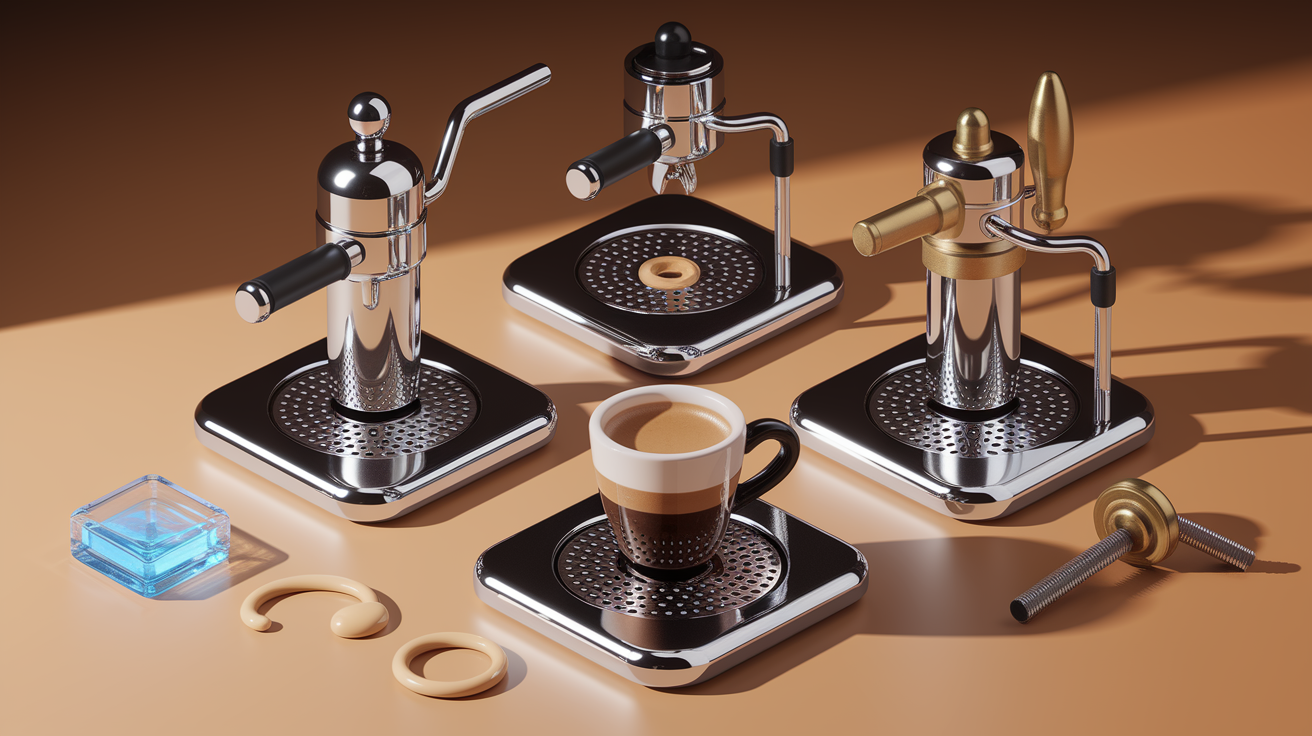
Different techniques suit different machine ages, gasket materials, and levels of buildup. Choose based on your tolerance for disassembly, the condition of your grouphead, and how stuck the gasket feels.
| Method | Difficulty | Risk Level | Best For |
|---|---|---|---|
| Heat Softening | Low | Low (if temperature controlled) | Lightly stuck gaskets, newer machines with intact plating |
| Lubrication & Pick | Low | Very Low | Gaskets with oil buildup, home espresso machines |
| Freezing & Contraction | Medium | Medium (condensation risk) | Swollen rubber gaskets, machines with sealed electronics |
| Full Grouphead Soak | Medium to High | Medium (requires disassembly) | Heavily calcified gaskets, hard water areas |
| Old Machine Caution | Medium | Low (with proper protection) | Vintage machines, thin chrome plating, brass groupheads with visible wear |
How to Prevent Future Gasket Seizures
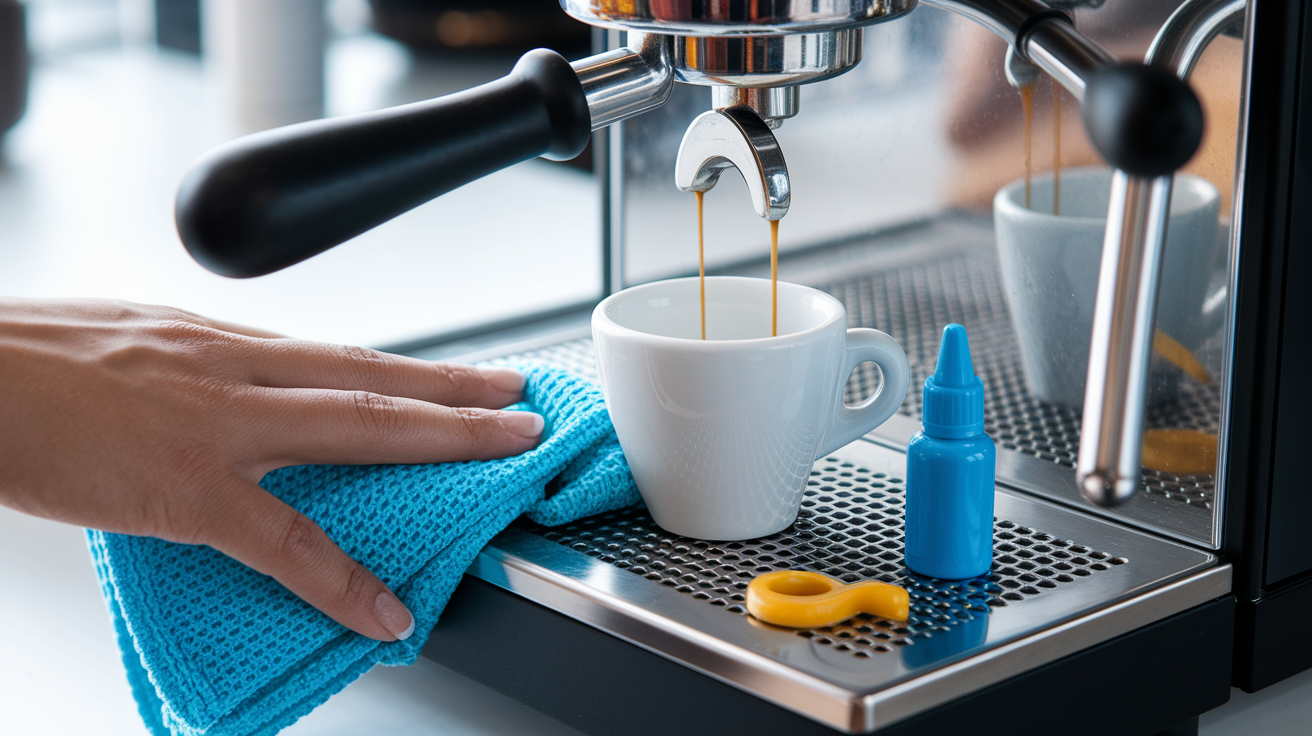
Regular cleaning and light lubrication keep gaskets removable. Wipe the grouphead and portafilter rim after every session to remove wet grounds and oils before they harden. Replace gaskets every 6 to 18 months depending on usage. Heavy café use needs replacement every 6 months, home machines every 12 to 18 months. Apply a pea size amount of food grade silicone grease when installing a new gasket to make future removal easier.
Don’t leave the portafilter locked in overnight or during long idle periods. Prolonged compression sets the gasket into a permanent shape, and heat cycling while locked speeds up hardening. Remove the portafilter within 24 hours of your last pull and dry both the portafilter rim and the grouphead seating area.
Prevention tips:
- Clean the gasket and seating groove monthly. Deep clean and inspect every 3 months.
- Apply a light film of food‑grade silicone grease (1 small pea size dab) when installing a new gasket.
- Replace gaskets every 6 to 18 months depending on daily shot volume.
- Remove the portafilter after each session and wipe the grouphead lip.
- Descale the machine every 1 to 3 months in hard water areas to prevent calcium buildup.
- Check gasket fit and seating at every group clean (weekly in cafés, monthly at home).
- Don’t over tighten the portafilter, especially while the grouphead is hot.
Monthly attention to the grouphead area takes under five minutes and stops most gasket seizures. If you notice the portafilter becoming harder to lock or unlock, inspect the gasket right away before it gets fully stuck.
When to Seek Professional Service
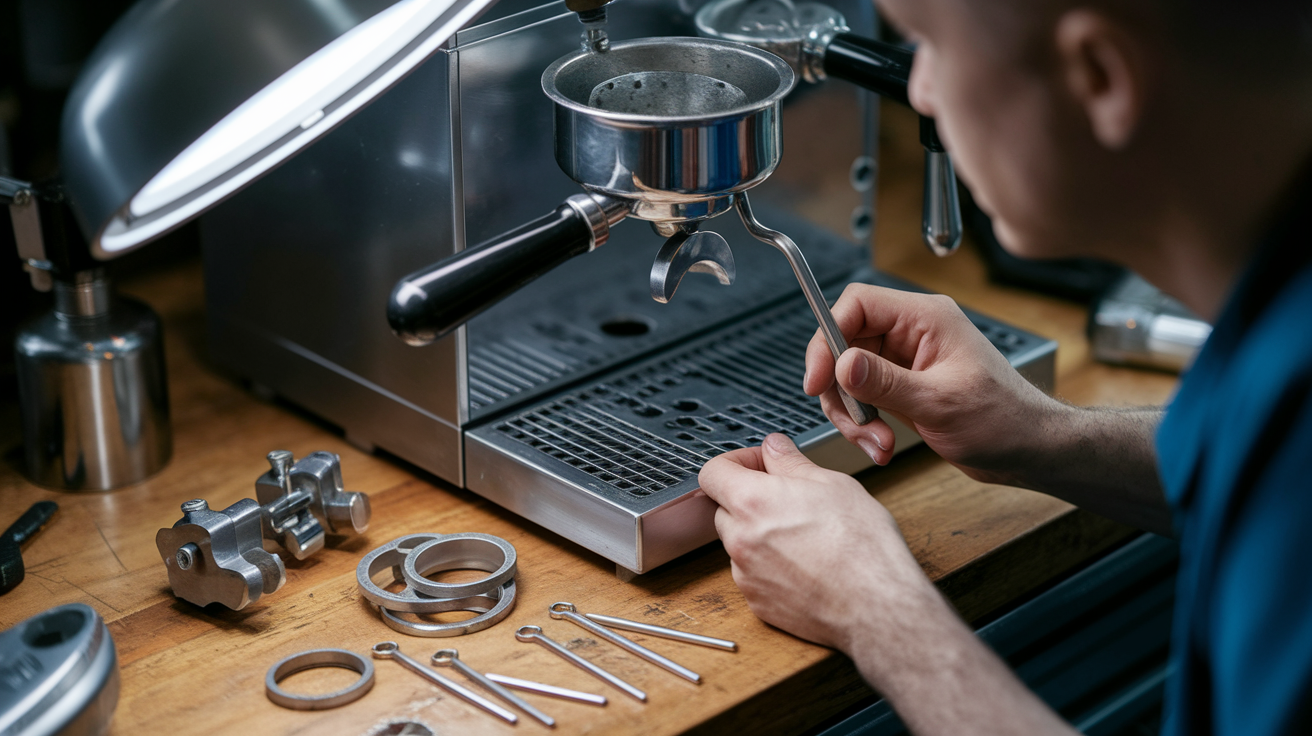
Stop DIY removal if you see metal deformation, deep scratches on the portafilter rim, or gasket fragments that won’t come out after 30 to 60 minutes of careful combined methods. Visible cracks near the seating area or bent grouphead threads mean metal fatigue, and more prying risks permanent damage. Professional technicians have specialized clamps, extraction hooks, and replacement parts that home users typically don’t have.
Persistent leaks after cleaning and reseating, severely degraded gaskets that crumble into pieces, or visible bayonet wear all point to the need for professional assessment. Typical local machine service calls range $50 to $150, and emergency shop turnarounds may cost more. But that investment protects a portafilter or grouphead that can cost $100 to $300 to replace.
Signs to get help:
- Gasket fragments remain embedded after combined heat, lubrication, and soaking attempts.
- Portafilter lip, seating groove, or threads show deformation or deep scratches.
- After 30 to 60 minutes of careful methods the gasket has not moved at all.
- Visible metal fatigue, cracks, or corrosion near the seating area.
- You don’t have the recommended soft jaw vise or protective clamping tools needed for safe leverage.
Final Words
Heat the grouphead, add a little food-safe lube, and work with a plastic pick – that gets most gaskets moving. Quick steps, safe tools, and changing one thing at a time will usually free a jammed seal.
You learned why gaskets stick (oils, heat cycling, old rubber), the safe removal methods, and low-risk options for older machines.
Keep a simple cleaning routine, replace gaskets yearly, and call a pro if the rubber is fragmenting. Follow these steps and you can remove stuck espresso gasket without damaging portafilter and enjoy consistent shots again.
FAQ
Q: How do I remove a rubber or stubborn gasket from an espresso machine?
A: Removing a rubber or stubborn gasket from an espresso machine works best by softening it with 60–80°C water or 20–30 second steam, then gently prying with a plastic pick and food-safe lubricant.
Q: Will acetone dissolve gaskets, and what dissolves gasket sealant?
A: Acetone can dissolve or swell some rubber gaskets and often damages them, so avoid it on food-contact parts. Silicone sealant is best removed with a commercial silicone remover or careful mechanical scraping, tested off-equipment first.