
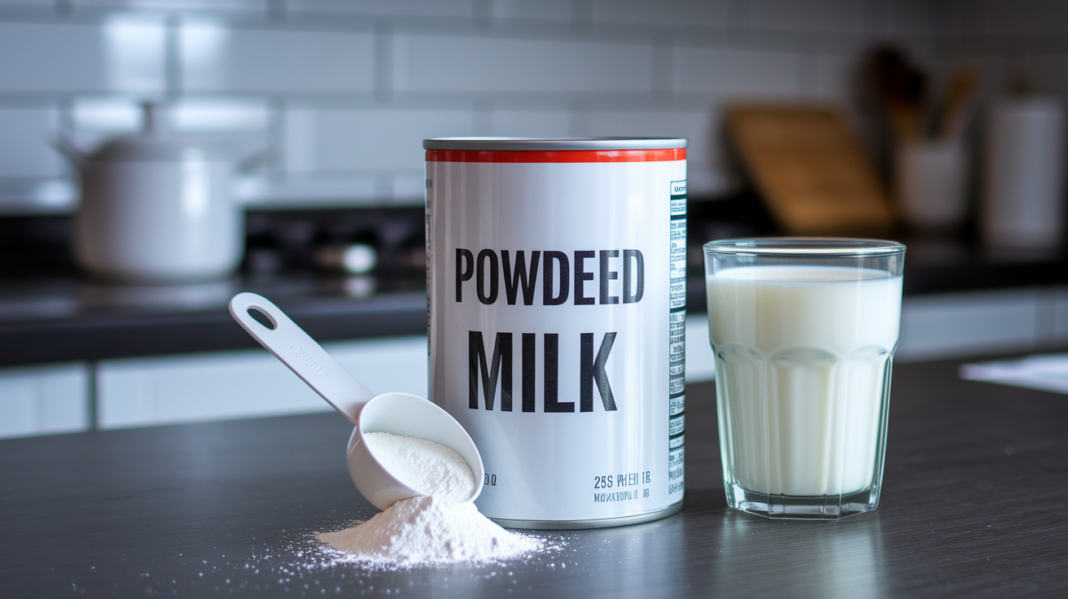

Think powdered milk is only for desperate campers and bland school lunches? Think again.
It’s a pocket-sized pantry hero that saves money, cuts waste, and keeps protein and calcium on hand when fresh milk runs out.
This post shows why powdered milk deserves a spot in your kitchen, how the main types, nonfat, whole, instant, and freeze-dried, differ, and exactly how to store them so they stay fresh and tasty.
Read on for simple ratios, practical uses, and storage rules you can use today.
Comprehensive Overview of Powdered Milk and Its Essential Uses
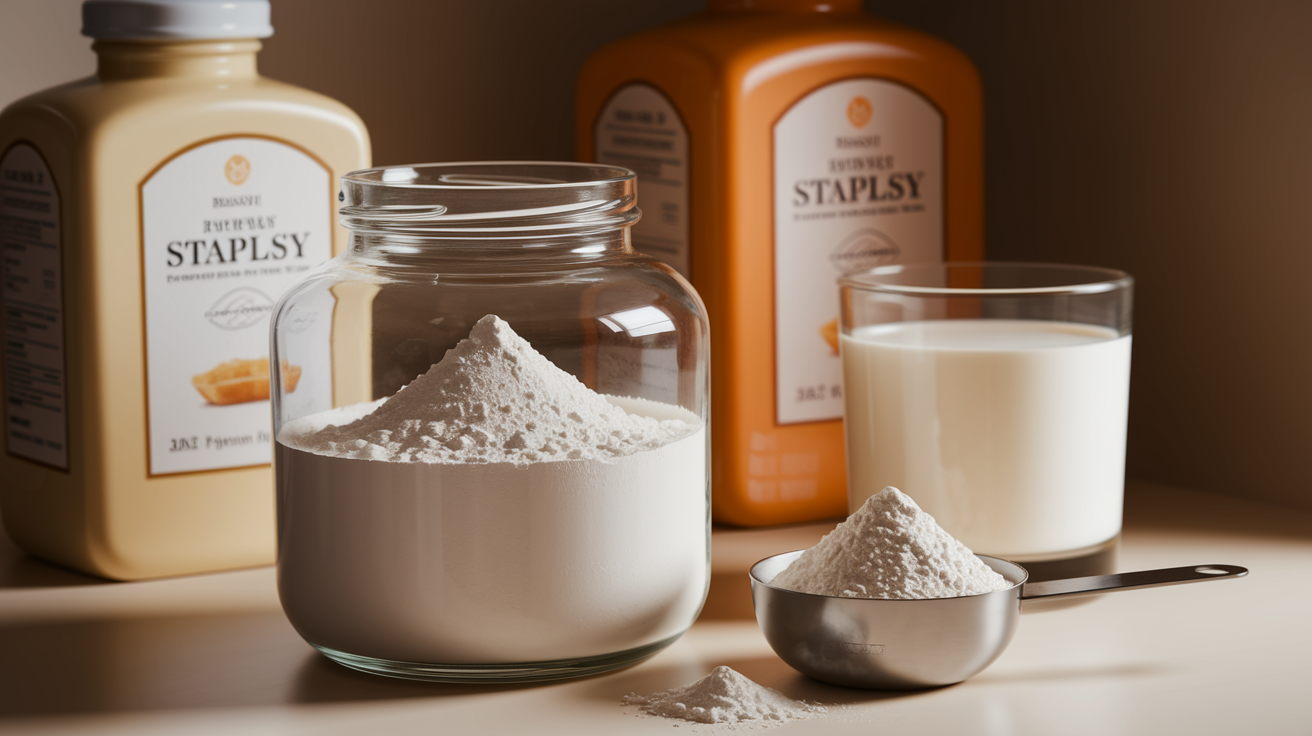
Powdered milk is pasteurized milk that’s had nearly all its water stripped out through evaporation, spray drying, or freeze drying. What’s left is a fine powder packed with milk protein, lactose, minerals, and a bit of fat, depending on type. You can store it for months or years in a sealed, dry spot, then just add water when you need it. The three main types you’ll see are nonfat dry milk (under 1.5% fat), whole milk powder (around 26% fat), and instant powders engineered to dissolve fast in cold water.
Most brands tell you to mix roughly 1/3 cup powder with 1 cup water to get 1 cup of milk, but ratios shift by brand and how rich you want it. Nutritionally, one cup of the reconstituted stuff gives you 90 to 160 calories, 7 or 8 grams of protein, anywhere from 0 to 9 grams of fat (nonfat vs. whole), and 250 to 350 milligrams of calcium. Lots of brands throw in vitamin D and A to match what you’d get from fresh milk. USDA says powdered milk lasts indefinitely if you keep it dry and sealed, which is why emergency kits, camping trips, and budget kitchens love it.
Uses go way beyond a cold glass. You can toss it straight into dry ingredients for bread, pancakes, cakes to bump protein and texture. It makes coffee richer when you’re out of cream, thickens smoothies, turns into homemade hot chocolate mix. Travelers and backpackers count on it for lightweight nutrition, and home cooks like measuring out exactly what they need instead of cracking open a gallon jug. Instant versions dissolve in cold water with a quick stir. Non-instant needs warm water or serious whisking or you’ll get lumps.
Main perks include:
- Shelf stability: keeps 6 to 24 months unopened, up to 10 years or longer under perfect cool, dry conditions
- Cost efficiency: usually cheaper per quart than fresh milk, plus zero spoilage waste
- Versatility: works for drinking, baking, sauces, coffee without messing with your method
- Lightweight portability: weighs way less than liquid milk, great for hiking, travel, shipping
- Easy storage: small canisters fit pantries, emergency kits, RV cabinets, no fridge needed
- Portion control: mix only what you need, less leftover waste, better recipe scaling
Types of Powdered Milk and How They Differ in Everyday Use
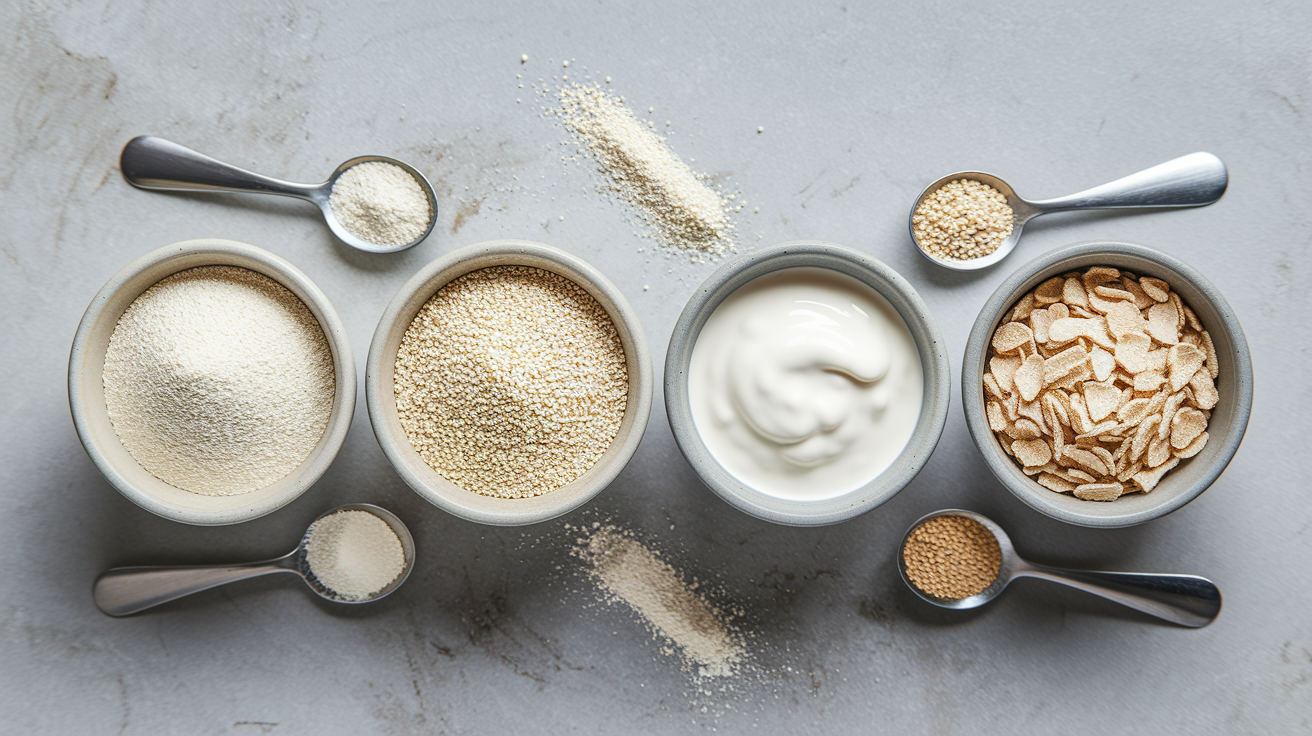
Different powdered milks solve different problems. Some are lighter and last longer, others taste richer or dissolve faster. Knowing the fat content, solubility, and typical uses helps you pick the right one.
Nonfat Dry Milk
Nonfat dry milk sits under 1.5% fat, making it the lightest and longest keeper. It mixes up thinner, almost watery, and smells faintly like cereal milk when you reconstitute it. Stores exceptionally well, two to ten years under cool, dry conditions with oxygen barrier packaging, because low fat means less rancidity risk. People use it in baking when extra fat would mess things up, for adding protein to smoothies, and stocking emergency shelves.
Whole Milk Powder
Whole milk powder hangs onto about 26% milk fat, so you get a creamier, richer taste that’s closer to fresh whole milk. Reconstituted cups feel thicker, and some brands leave visible powder on the glass until it fully dissolves. Fat oxidizes over time, so whole milk powder only lasts six to eighteen months unopened. But plenty of people prefer it for drinking and recipes that want that extra richness, hot chocolate or creamy soups.
Instant vs Regular Powder
Instant powders get agglomerated into bigger granules that dissolve fast in cold water with barely any stirring. Perfect for quick glasses or iced coffee. Regular or non-instant powders have smaller particles and clump up, so you need warm water or vigorous whisking to get smooth. Instant costs a bit more but saves effort. Non-instant is cheaper and does fine in baking where you’re mixing anyway.
Freeze-Dried Milk
Freeze dried milk gets processed at super low temps, which keeps flavor, vitamins, and natural color better than spray dried options. Under ideal storage, sealed with oxygen absorbers in Mylar or airtight containers, it lasts ten to twenty five years. Dissolves smoothly and tastes closest to fresh milk. Production costs push retail to $10 per pound or more, so it appeals to long term preppers and anyone putting taste and nutrient retention over budget.
| Type | Key Traits | Best Use |
|---|---|---|
| Nonfat Dry Milk | ~0–1.5% fat, thin texture, longest shelf life | Baking, smoothies, emergency kits |
| Whole Milk Powder | ~26% fat, creamy, richer taste, shorter shelf life | Drinking, hot chocolate, sauces |
| Instant Powder | Agglomerated, dissolves easily in cold water | Quick drinking, iced coffee, travel |
| Freeze-Dried Milk | Best flavor, highest nutrient retention, premium price | Long-term storage, special-occasion use |
How to Mix Powdered Milk for Drinking and Cooking
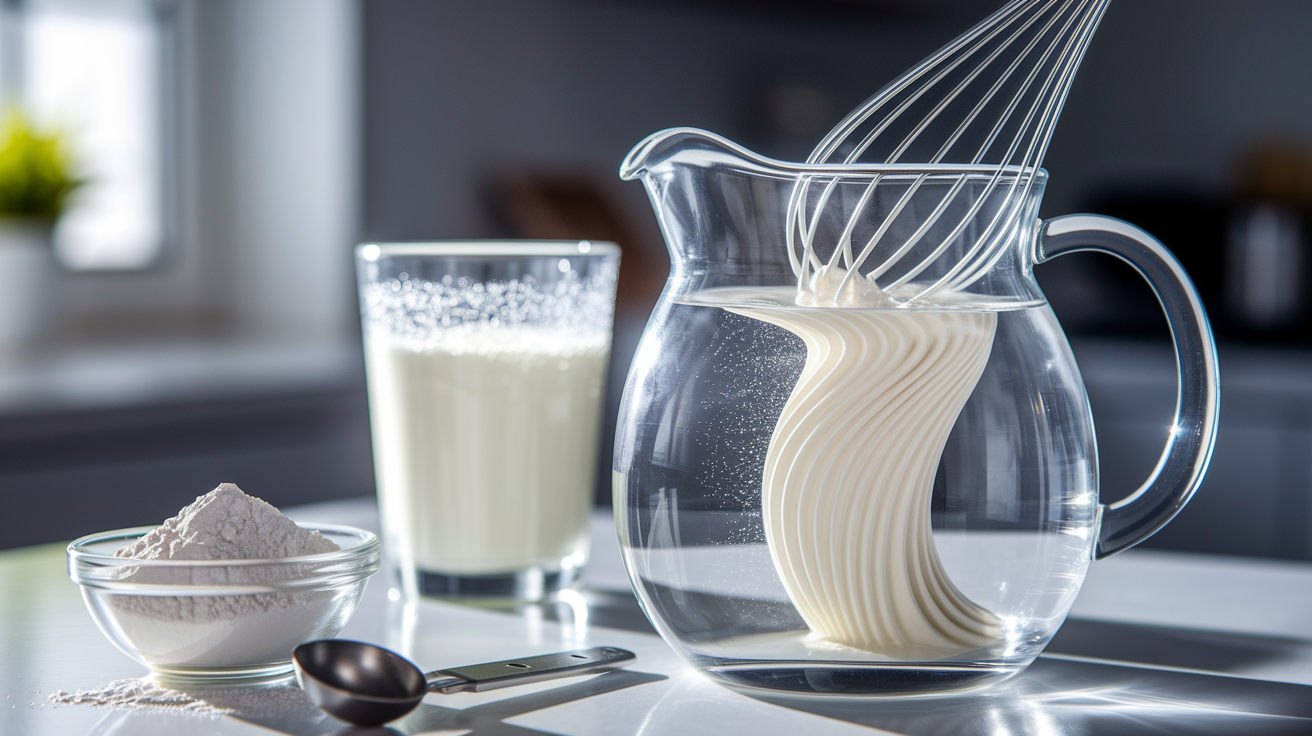
Mixing it right gets rid of lumps, kills the chalky aftertaste, and gets you closer to fresh milk flavor. Standard ratio is 1/3 cup powder per 1 cup water to yield 1 cup milk, though some whole milk powders call for a little more to reach full richness. For bigger batches, use 1 1/3 cups powder plus 3 cups water for a quart, or 5 1/3 cups powder plus 15 cups water for a gallon.
Instant powders dissolve in cold water with a gentle stir or a few shakes in a sealed jar. Non-instant benefits from warm or room temp water to break up particles before you add cold water to chill it. Letting reconstituted milk sit in the fridge for a few hours mellows the flavor and lets any remaining fine bits fully hydrate, which cuts down on the powder residue clinging to your glass. For recipes that want extra creaminess, add a tablespoon of oil or melted butter, or swap in whole milk powder instead of nonfat.
Follow these six steps for smooth, drinkable milk every time:
- Measure the right powder to water ratio from the package label, starting with 1/3 cup powder per 1 cup water if there’s no specific instruction.
- Pour a small amount of warm water, about a quarter of the total, into a pitcher or large jar to dissolve the powder quickly.
- Add the powder and whisk hard or shake in a sealed container until no visible lumps remain, usually fifteen to thirty seconds.
- Add the rest of the cold water, stir again gently, then refrigerate for at least an hour to chill and let flavors settle.
- Shake or stir once more before serving, since fine particles settle at the bottom during storage.
- Use reconstituted milk within three to five days, keeping it covered in the fridge just like fresh milk.
Nutritional Profile of Powdered Milk and Key Health Considerations
One cup of reconstituted powdered milk delivers similar core macros to fresh milk, with typical values ranging from 90 to 160 calories depending on nonfat or whole. Protein sits around 7 to 8 grams per cup, giving you the same muscle building amino acids found in fresh milk. Fat varies from nearly zero in nonfat dry milk to 8 or 9 grams in whole milk powder. Calcium stays consistent at roughly 250 to 350 milligrams per cup, meeting about 20 to 30 percent of daily intake. Lots of powdered milk brands fortify with vitamins A and D, and some products match or exceed what you get in fortified refrigerated milk.
Lactose content in powdered milk mirrors fresh milk, around 11 to 13 grams per cup. So if you’re lactose intolerant, you’ll get the same digestive response unless the product says lactose free. Heat processing during spray drying can knock down some heat sensitive B vitamins a bit, but protein, calcium, and vitamin D usually survive intact. Because fat oxidizes over time, whole milk powder might develop a slightly off flavor or lose some fat soluble vitamin potency if stored poorly or kept past its shelf life window.
Families wanting lower calorie options benefit from nonfat dry milk, which gives you the same protein and calcium as whole milk powder at roughly half the calories. People prioritizing taste or needing higher calorie density for hiking or recovery nutrition favor whole milk powder. Always check nutrition labels for added sugars or emulsifiers in instant formulations, and rotate stock regularly to use powders within their peak nutrient window.
Shelf Life and Optimal Storage Practices for Powdered Milk
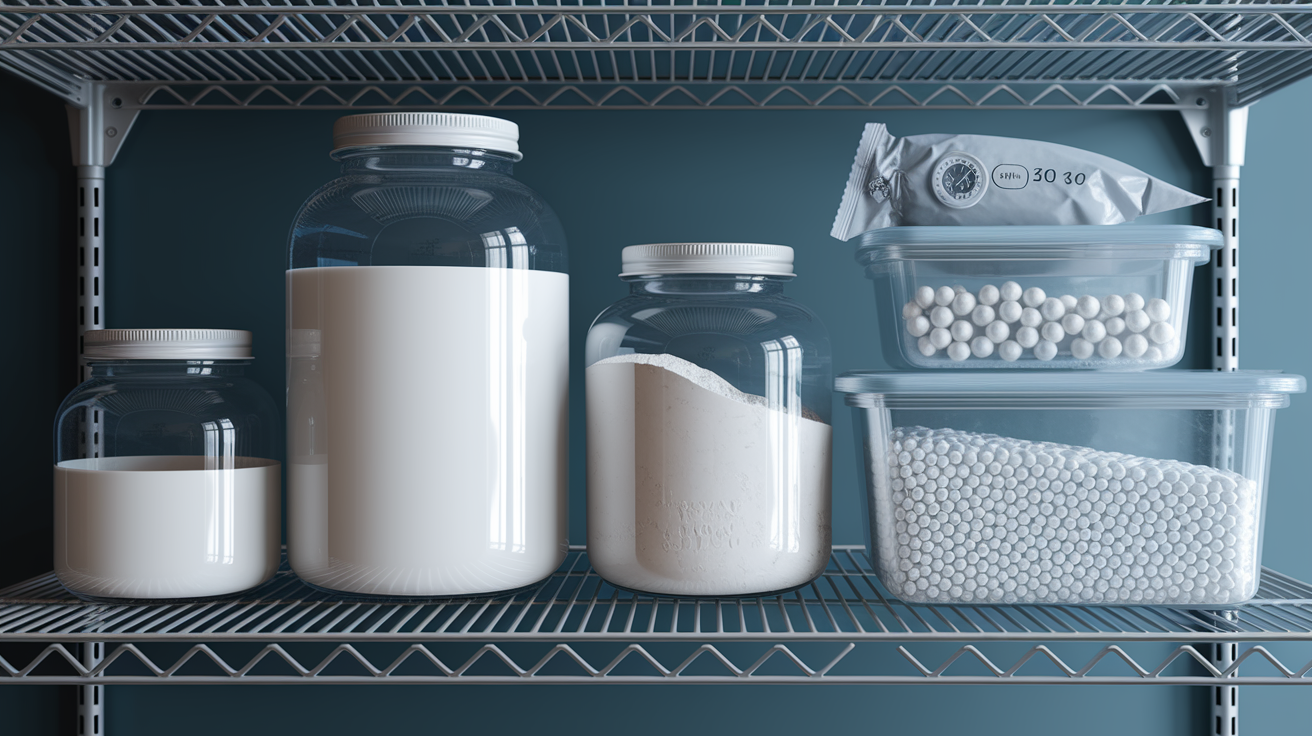
Unopened powdered milk usually carries a manufacturer shelf life of six to twenty four months, but proper storage stretches usability way beyond that. Nonfat dry milk stored airtight, oxygen barrier packaging at cool temps, ideally 70°F or below, can stay safe and palatable for two to ten years. Freeze dried milk under the same conditions might last ten to twenty five years. Once opened, most powdered milk performs best within three to twelve months, depending on humidity exposure and how well the container seals between uses.
Moisture is the big enemy. It causes clumping, off odors, eventual spoilage. Relative humidity above 60 percent speeds up caking and can introduce mold, so store opened canisters in a cool, dry pantry or use resealable Mylar bags with oxygen absorbers for long term protection. Discoloration, yellowing or browning, signals oxidation or moisture getting in. Any sour or rancid smell means fats have spoiled and you should toss the powder. Clumping alone doesn’t always mean spoilage, but hard lumps that resist breaking apart often indicate absorbed moisture.
Key storage practices for max shelf life:
- Use airtight containers like food grade buckets, glass jars with tight lids, or resealable Mylar pouches to block moisture and oxygen
- Add oxygen absorbers, typically 100 to 300cc capacity per gallon container, to slow fat oxidation and prevent insect activity in long term storage
- Keep storage temperature at or below 70°F and avoid placing containers near ovens, dishwashers, or other heat sources
- Monitor humidity with simple hygrometers and skip basements or garages that swing above 60 percent relative humidity seasonally
- Rotate stock using first in, first out and label opened containers with the date to track freshness and use older powder in baking before it loses peak flavor
Practical Uses of Powdered Milk in Recipes and Daily Life
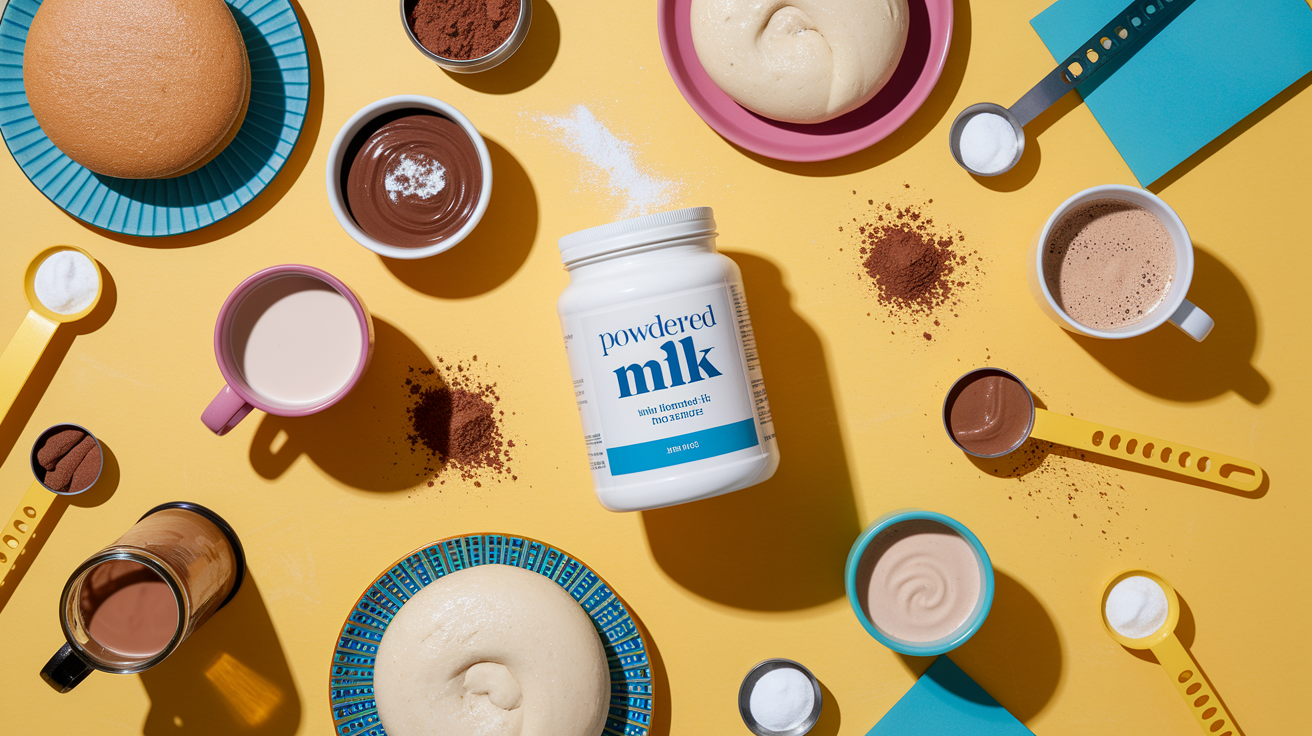
Powdered milk works great in everyday cooking and situations where fresh milk isn’t practical or available. In baking, adding one to four tablespoons of powder per cup of flour increases protein and improves dough structure, giving you softer bread, fluffier pancakes, moister cakes without messing with liquid ratios. Whole milk powder adds richness and a subtle creamy flavor. Nonfat dry milk keeps recipes lighter and extends shelf life in dry mixes for camping or gift jars.
For sauces and soups, whisking powdered milk into the base thickens texture and boosts calcium without adding extra liquid. Coffee and tea drinkers replace liquid creamer with one to two tablespoons of whole milk powder per cup. Smoothie people add a scoop for extra protein and creaminess. Homemade hot chocolate mix combines powdered milk, cocoa powder, sugar, and a pinch of salt, giving you instant warm drinks that only need boiling water.
Six practical uses for powdered milk in everyday cooking:
- Baking: mix two to four tablespoons of powder into dry ingredients for bread, muffins, pancakes, or biscuits to strengthen gluten and add protein without changing liquid measurement
- Cream sauces: whisk three tablespoons of powder into one cup of water or broth, then use as a base for Alfredo, béchamel, or gravy
- Soups: stir one to two tablespoons of powder per serving into pureed soups like potato, tomato, or butternut squash for thicker body and added calcium
- Coffee and tea: replace liquid creamer with one tablespoon of whole milk powder dissolved in hot water or directly into the cup for a creamy finish without refrigeration
- Smoothies: add one to three tablespoons of powder to fruit and ice blends for extra protein, creating a thicker, milkshake like consistency
- Hot chocolate mix: combine one part powdered milk, one part cocoa powder, half part sugar, and a pinch of salt, then store in a jar and mix two to three tablespoons with hot water per serving
Brand Comparison Insights and Real-World Performance Differences
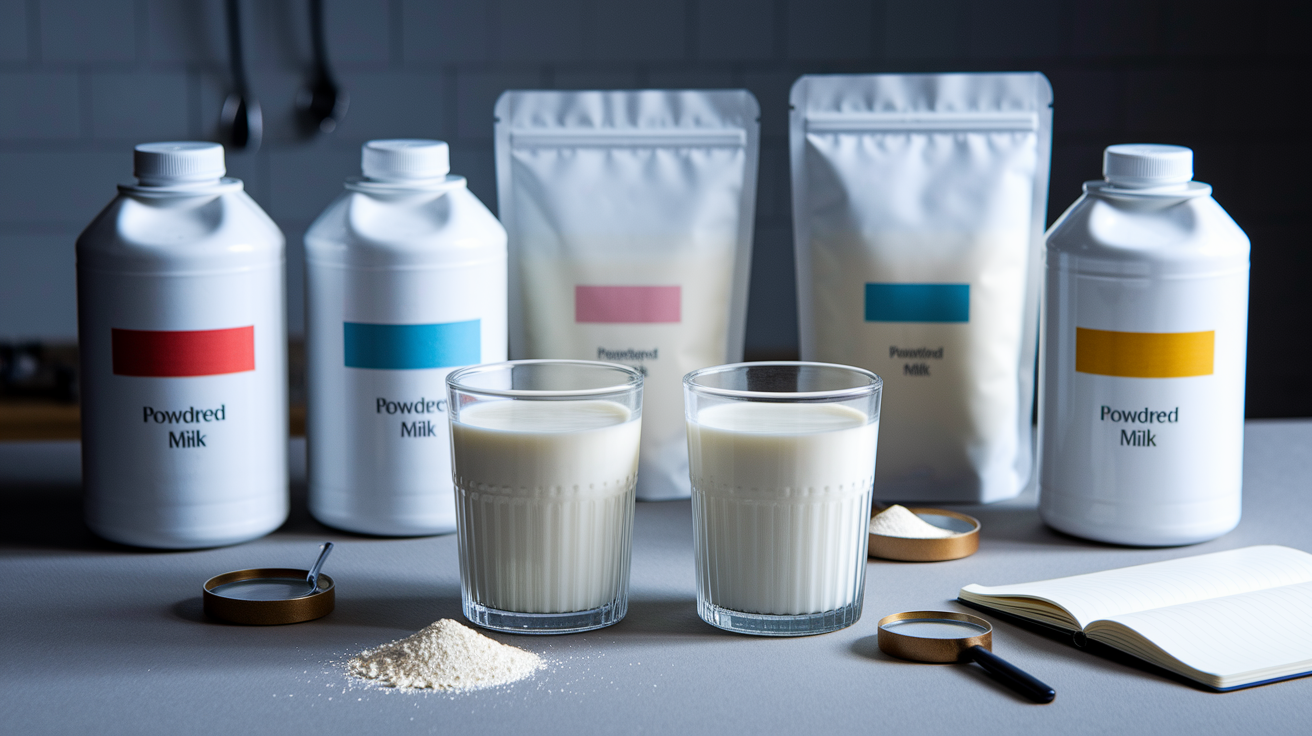
Real world performance varies a lot across brands, especially in solubility, taste, and nutritional density. When comparing Nido and Peak powdered whole milk, both showed similar off white color and granule size. But Nido clumped big time within minutes of opening, while Peak stayed free flowing even after months. Peak dissolved easily in both cold and room temp water with minimal stirring. Nido needed vigorous whisking and still left a faint yellow tint at the bottom of the glass. Nutritionally, Nido delivered 151.2 calories per ounce and tasted closer to familiar whole milk. Peak provided 144.58 calories per ounce and offered higher levels of vitamin A and vitamin D. For detailed sensory and field comparisons between these and other brands, see Got Milk: The Best Milk Powder.
Carnation nonfat dry milk reconstitutes with a slightly watery texture and faint cereal milk aroma, making it practical and economical for baking and emergency supplies where richness matters less. Great Value whole milk powder mixes to a thicker, creamier consistency with a taste like unsweetened whipped cream, though visible powder residue may cling to the glass until fully dissolved. These differences matter when choosing between drinking, cooking, or stockpiling, since solubility affects convenience and taste influences everyday acceptance.
| Brand | Key Traits | Ideal Use |
|---|---|---|
| Nido | 151.2 cal/oz, familiar whole-milk taste, clumps more, widely available, lower cost | Drinking, everyday cooking, families prioritizing taste and budget |
| Peak | 144.58 cal/oz, higher vitamin A & D, dissolves easily, limited U.S. retail, online purchase | Travel, cold-water reconstitution, vitamin-conscious users |
| Carnation | Nonfat, slightly watery, cereal-milk aroma, economical, long shelf life | Baking, smoothies, emergency kits |
| Great Value | Whole milk powder, creamy, thick, visible residue, affordable | Hot chocolate, sauces, drinking when price matters |
Buying Guide for Powdered Milk: Pricing, Packaging, and Where to Find It
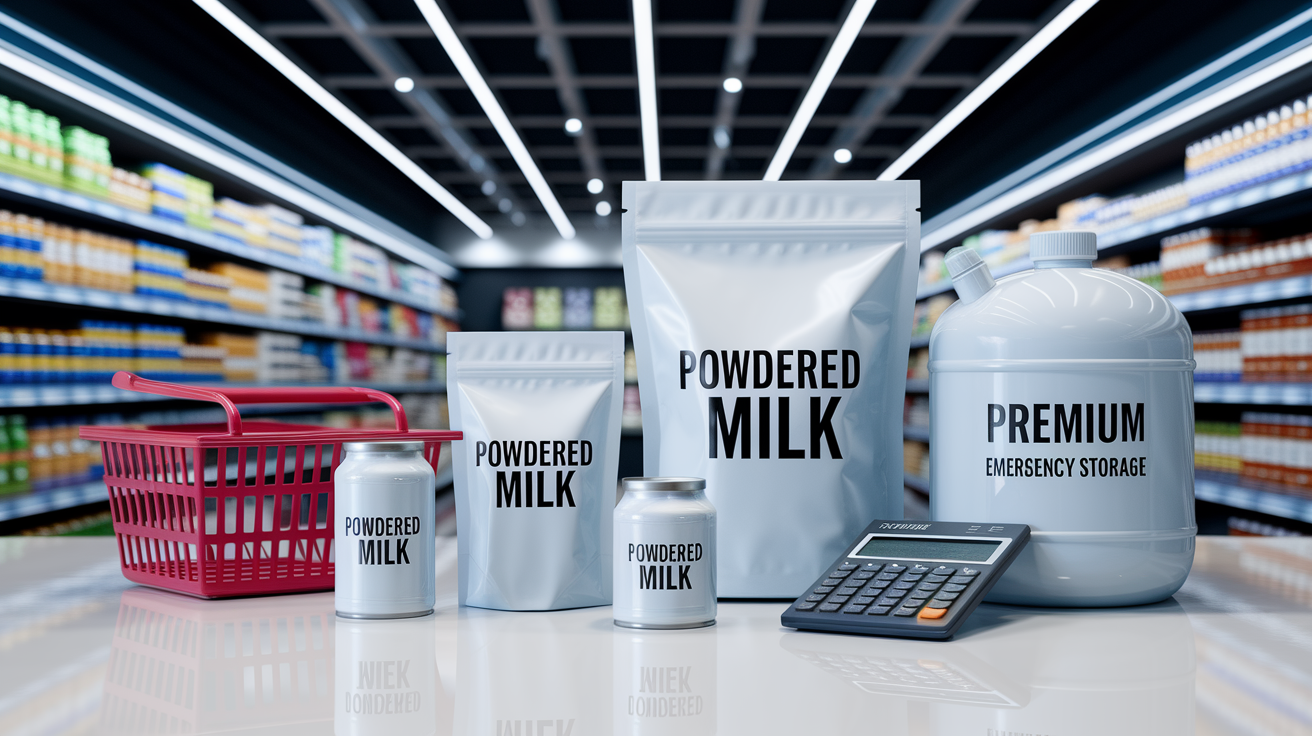
Retail prices for powdered milk shift by type, processing method, and packaging size. Nonfat dry milk typically costs $3 to $8 per pound. Whole milk powder ranges from $6 to $15 per pound because of higher fat content and shorter shelf life. Specialty freeze dried varieties command premium prices, often $10 to $35 or more per pound, since freeze drying preserves flavor and extends shelf life beyond standard spray dried products. Packaging ranges from small 8 to 28 ounce cans for occasional use to 1, 2, and 5 pound pouches for regular households, and bulk 25 pound bags for institutions, large families, or long term preppers.
Nido whole milk powder shows up widely in Hispanic grocery aisles, bodegas, and big box retailers, making it easy to find in person at competitive prices. Peak, produced in the Netherlands, has limited U.S. retail presence and gets purchased most often through online marketplaces or specialty importers. Mainstream grocery chains stock Carnation nonfat dry milk and store brand instant powders. Outdoor supply stores and preparedness retailers carry freeze dried milk in #10 cans or Mylar pouches with oxygen absorbers. Shoppers seeking organic options should look for USDA Organic certification on labels. Halal and kosher certifications are available from select brands catering to religious dietary requirements. For broader product category insights and additional brand evaluations, see The Best Powdered Milk and Shelf Stable Milk.
When comparing options, check the nutrition label for calories per serving, fat content, and added vitamins. Inspect packaging dates or expiration windows to ensure max remaining shelf life. Instant varieties save mixing effort but may include anti caking agents or emulsifiers, so read ingredient lists if you prefer minimal additives. For long term storage, go for products sold in oxygen barrier foil pouches or cans over simple plastic bags. Calculate cost per reconstituted quart rather than per pound price to account for concentration differences across brands.
Final Words
Grab a scoop and mix 1/3 cup powder with 1 cup water to see how it dissolves—use warm water for non-instant, cold for instant. This quick test shows solubility and taste.
We covered what powdered milk is, the main types (nonfat, whole, instant, freeze-dried), mixing ratios and anti-clumping tricks, nutrition highlights, storage tips, recipe uses, brand differences, and buying pointers.
Try a small batch with the brand you plan to buy, note time and texture, and you’ll build a reliable routine. Powdered milk makes pantry cooking and travel simpler—keep experimenting, and you’ll get consistent results.
FAQ
Q: Are powdered milks really healthy?
A: Powdered milks can be healthy for most people, offering similar protein, calcium and vitamins to fresh milk when reconstituted. Choose fortified options, check fat level (whole vs nonfat), and watch added sugars.
Q: What is the best milk for cardiac patients?
A: The best milk for cardiac patients is low‑fat or nonfat milk, including reconstituted nonfat dry milk. It lowers saturated fat; check sodium and potassium on labels and follow your clinician’s dietary guidance.
Q: What is considered the best powdered milk?
A: The best powdered milk depends on your use: choose whole milk powder for richness, nonfat dry milk for long storage and baking, and instant powders for easy cold reconstitution.
Q: Does milk powder taste like milk?
A: Milk powder tastes similar to fresh milk when properly reconstituted, though flavor varies by type and brand: whole milk powder is richer, nonfat is thinner, and some instant powders taste closest to fresh.