
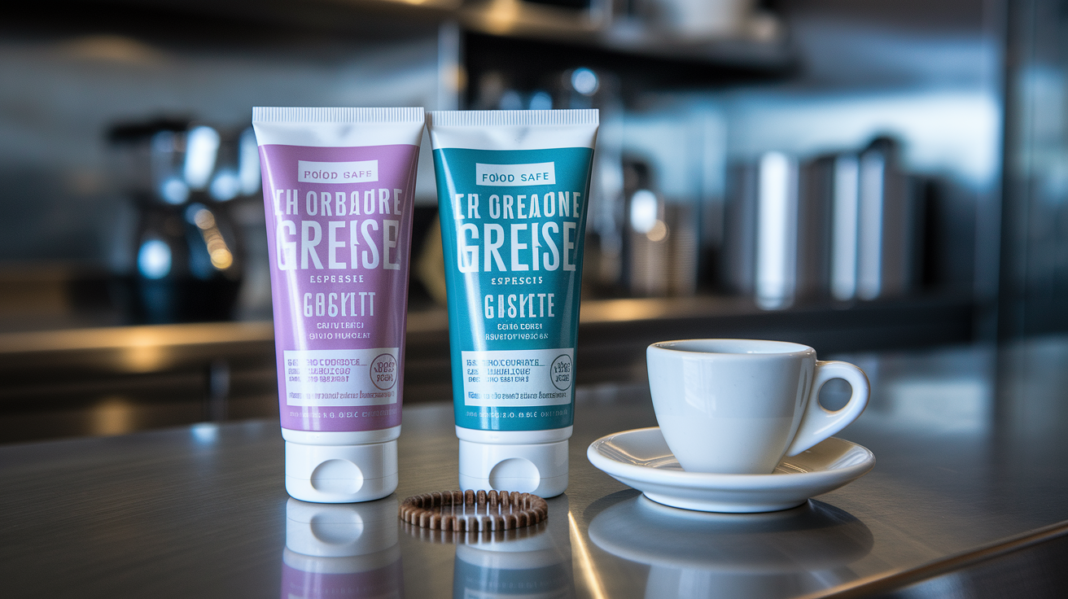

Using garage grease or petroleum jelly on your espresso gasket? That shortcut can clog the basket, damage rubber, and taint your shots.
Food-safe lubrication keeps gaskets flexible, seals tight, and portafilters easy to lock, without risking off-flavors.
This guide picks the best NSF-H1 options that actually work (Molykote 111, Haynes Lubri-Film Plus, Loxeal No. 4), shows exactly how to apply them, and helps you choose the right grease for your gasket material and maintenance routine.
Top Food‑Safe Lubricants for Espresso Gaskets
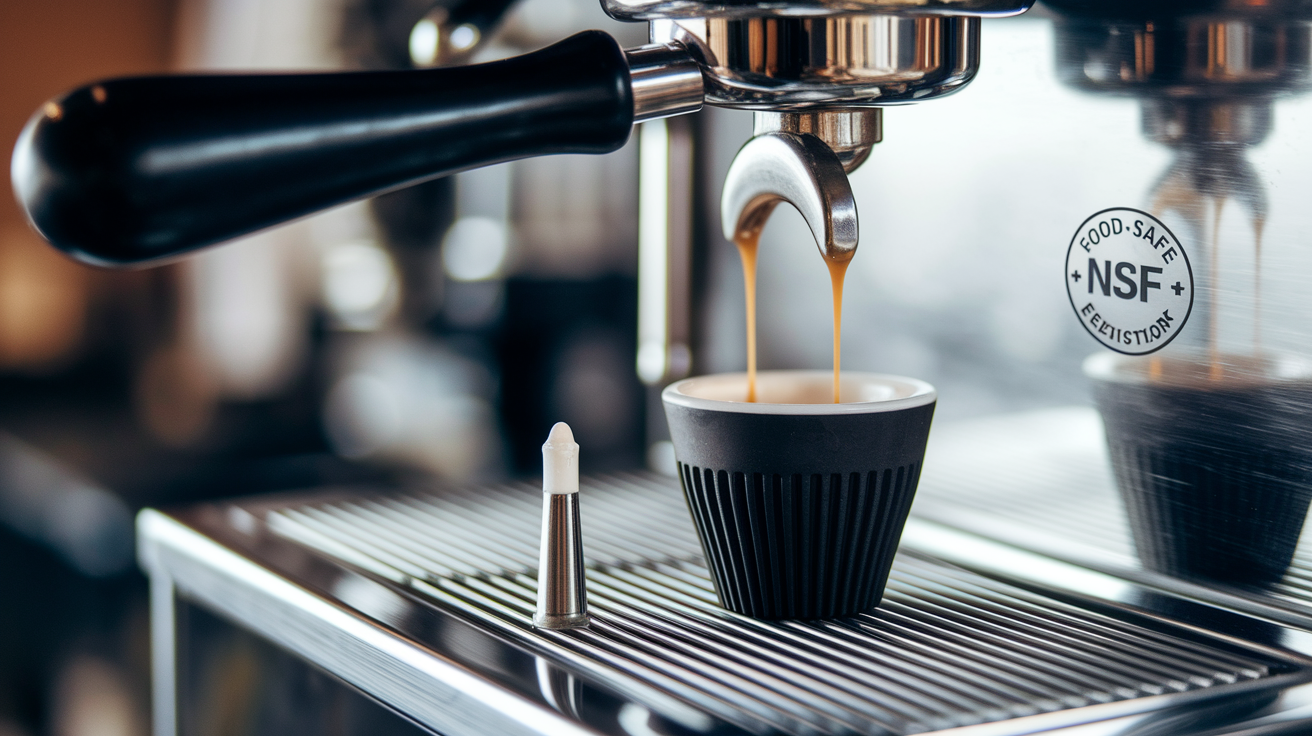
A dry or sticky espresso gasket makes your portafilter hard to lock. It can cause leaks around the group head and mess with pressure during extraction. Food-safe lubrication keeps the gasket flexible, the seal tight, and your workflow smooth, without risking contamination or off-flavors in your coffee.
The lubricants you use on espresso gaskets must carry NSF‑H1 certification or explicit FDA food‑contact approval. NSF‑H1 means the product is safe for incidental food contact, the standard for any grease that might touch brew water or coffee. Three widely recommended options are Molykote 111 (silicone grease with broad temperature tolerance and NSF‑H1 approval), Haynes Lubri‑Film Plus (a synthetic food‑grade grease that spreads easily and resists washout), and Loxeal No. 4 (a silicone‑based paste formulated for high‑temperature seals). All three prevent gasket cracking, improve portafilter lockup, and extend component lifespan when you apply them correctly.
When choosing a food‑safe lubricant for your machine, check these criteria:
NSF‑H1 certification or FDA food‑contact compliance. This confirms the product is safe if trace amounts contact coffee or water.
Operating temperature range. Should cover at least ‑40°C to +200°C to handle espresso group‑head temperatures.
Viscosity and consistency. Thicker greases last longer. Lighter pastes spread more easily and work well for frequent maintenance.
Material compatibility. Must be safe for silicone, EPDM, nitrile, or Viton gaskets without causing swelling or degradation.
Package size and shelf life. Small tubes (10–30 g) suit home users. Larger tubs (50–100 g) make sense for cafés.
Comparing the Leading Lubricant Options
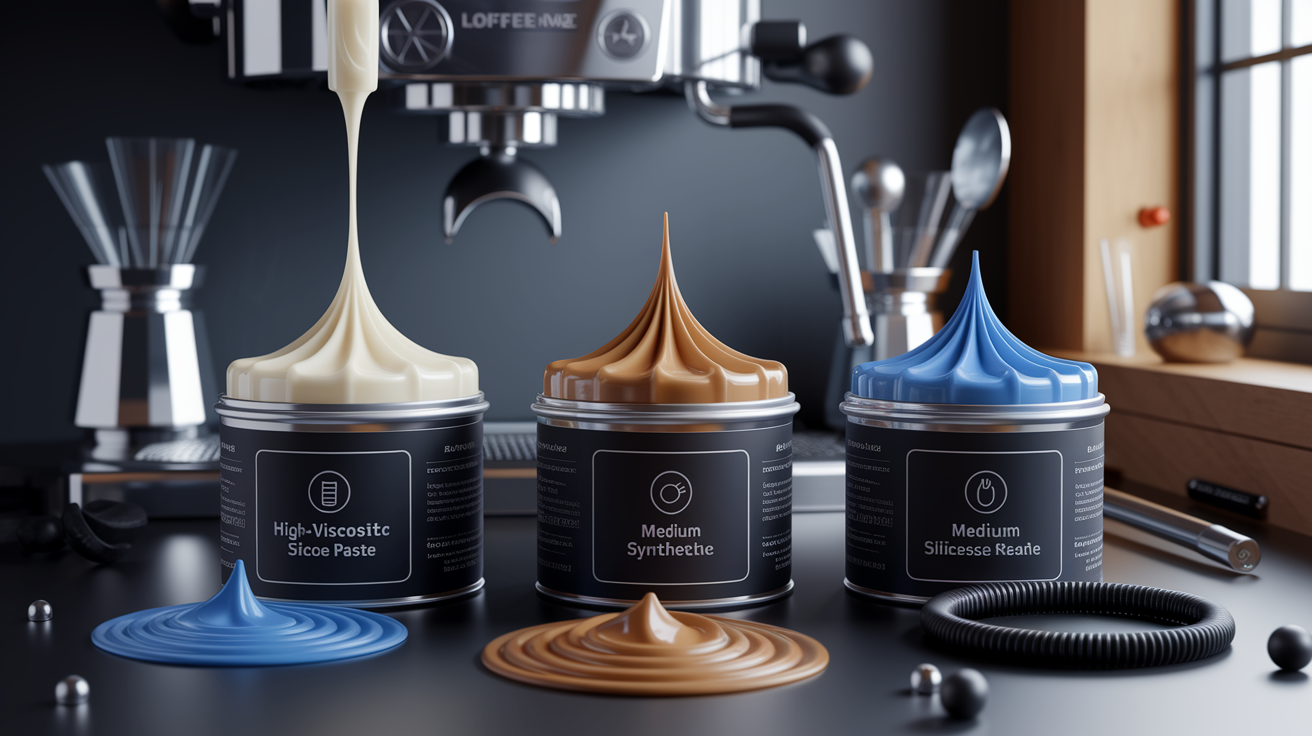
The three most‑recommended food‑safe greases differ in texture, longevity, and ease of application. Molykote 111 is a high‑viscosity silicone grease that stays in place through hundreds of shots and resists hot‑water washout. That makes it great for machines that see heavy use or infrequent maintenance windows. Haynes Lubri‑Film Plus spreads more thinly and re‑applies quickly, so it fits well into weekly or monthly cleaning routines. Loxeal No. 4 offers strong silicone‑based seal protection with a paste consistency that grips gasket surfaces and works across a wide temperature range.
Here’s a direct comparison of the leading options:
| Product | Certification | Texture/Viscosity | Performance Notes |
|---|---|---|---|
| Molykote 111 | NSF‑H1, FDA compliant | High‑viscosity paste | Long‑lasting, resists washout, excellent for high‑volume use |
| Haynes Lubri‑Film Plus | NSF‑H1 | Medium‑viscosity synthetic grease | Easy to spread, suits frequent maintenance, good water resistance |
| Loxeal No. 4 | NSF‑H1, food‑contact safe | Silicone paste, moderate viscosity | Strong seal protection, broad temp range, low friction |
How to Apply Lubricant to Espresso Gaskets
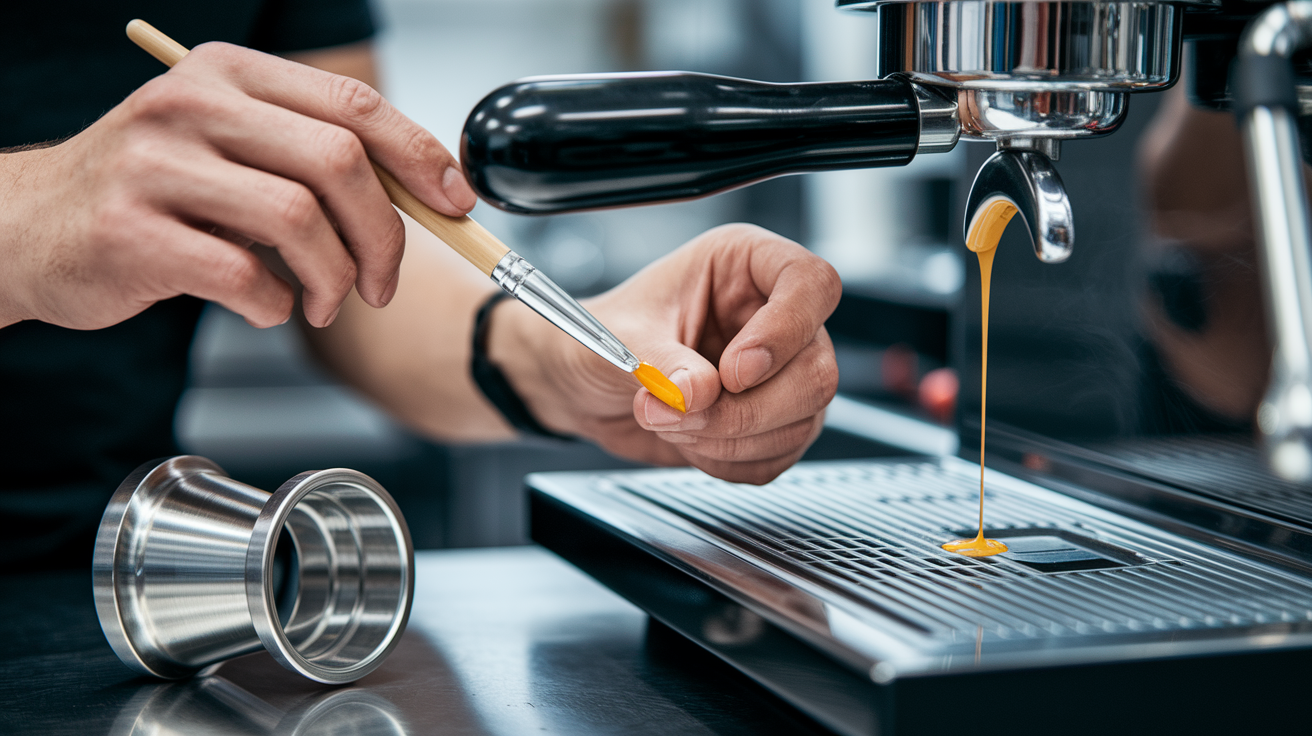
Proper application keeps the gasket flexible and the seal tight without introducing excess grease into the brew path. Start with a clean, dry group head and portafilter. Old coffee oils and residue prevent the lubricant from bonding to the rubber and can cause uneven coating.
Remove the portafilter and wipe the gasket and group‑head groove with a clean, lint‑free cloth to remove loose grounds and old grease.
Backflush the group with water (or run a cleaning cycle) to clear any residue from the screen and gasket recess. Dry the area thoroughly.
Apply a pea‑sized amount of grease, roughly 0.1–0.3 g, onto a clean fingertip or small brush.
Spread the grease evenly around the entire gasket sealing lip in a thin, continuous film. Avoid globs or gaps.
Reinstall the portafilter and lock it in place, rotating it gently to distribute the lubricant across the mating surfaces.
Run a short hot‑water flush through the group (with the portafilter in place or using a blank basket) and wipe away any visible excess grease from the portafilter ears or basket rim.
The most common mistake is using too much grease. Excess lubricant collects in the portafilter basket, attracts coffee grounds, and can transfer a bitter or oily taste to your shots. If you see residue pooling in the basket or notice off‑flavors, remove the gasket, clean it with warm soapy water, dry it fully, and reapply a thinner film. Use just enough to restore smooth lockup and a watertight seal.
Compatibility with Different Espresso Gasket Materials
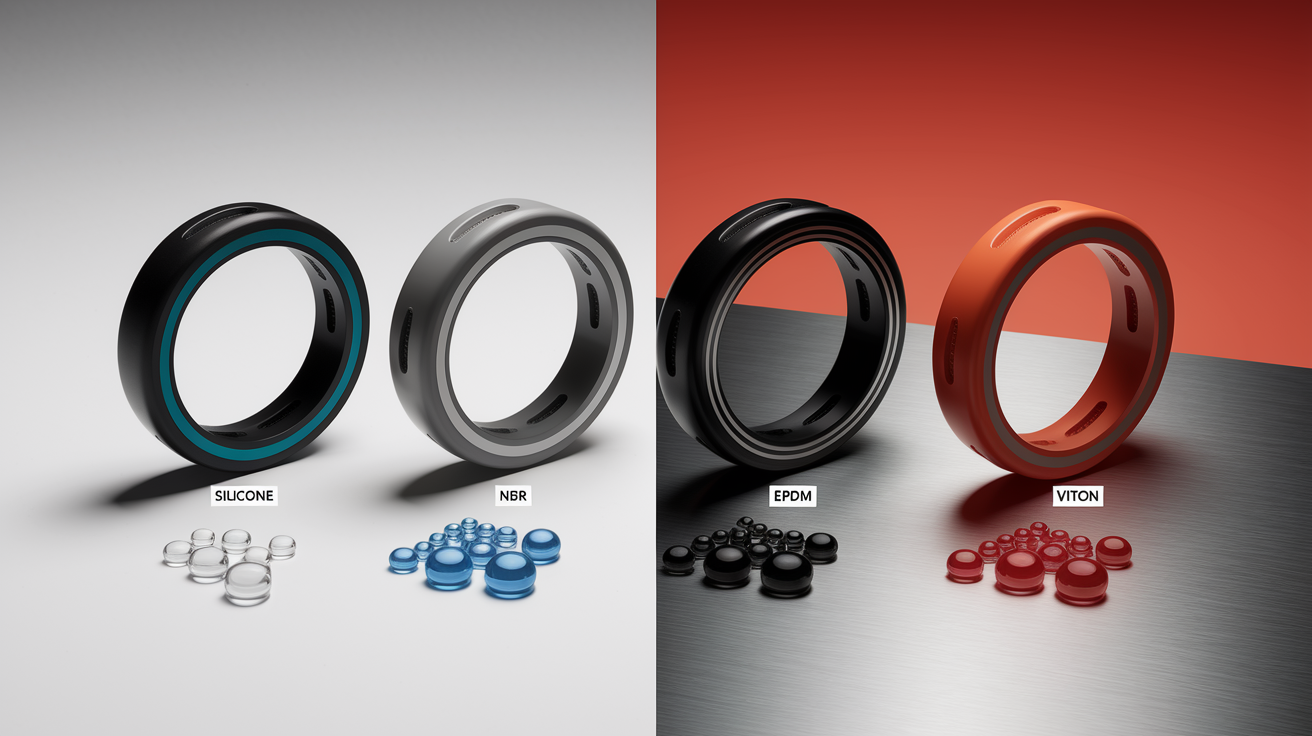
Silicone gaskets tolerate silicone‑based food‑grade lubricants without swelling or softening, and most NSF‑H1 silicone greases work well. Check the product label to confirm compatibility. Some industrial silicone greases can soften certain silicone compounds over time, so always verify the manufacturer’s material‑compatibility chart if you’re unsure.
NBR (nitrile/Buna‑N) rubber gaskets are common in older machines and budget models. They tolerate most NSF‑H1 greases and PTFE‑based lubricants, but degrade quickly when exposed to petroleum‑based products like Vaseline or motor oil. Always use a certified food‑safe grease on NBR to prevent swelling, cracking, or early replacement.
High‑temperature or high‑pressure machines, especially those with brew‑head temps above 95°C or steam‑exposed gaskets, benefit from thicker, higher‑viscosity lubricants that maintain film strength under heat. EPDM and Viton gaskets have excellent thermal and chemical resistance, and pair well with silicone or PTFE food‑grade greases rated for continuous service above 200°C.
Safe and unsafe lubricant types by gasket material:
Silicone gaskets: use NSF‑H1 silicone or PTFE greases. Avoid petroleum jelly and non‑food silicone sprays.
NBR/Buna‑N: compatible with food‑grade silicone and PTFE. Do not use petroleum‑based or automotive greases.
EPDM: works with most food‑safe greases. Confirm high‑temp rating if your machine runs hot.
Viton/FKM: very chemical‑resistant. Safe with NSF‑H1 silicone and PTFE. Avoid unknown or non‑certified products.
Maintenance Frequency and Longevity
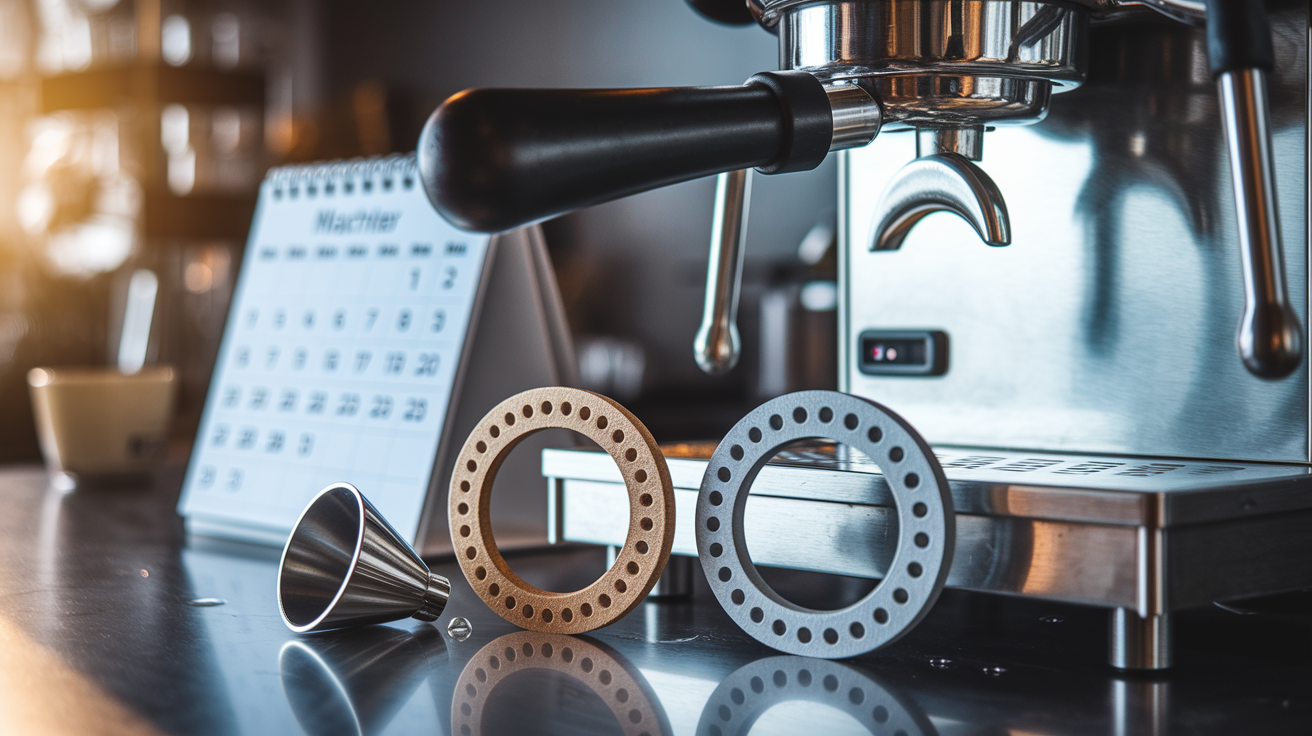
Most home espresso machines need gasket lubrication every 1–2 months if you pull one to three shots per day. Higher‑volume home setups, five or more shots daily, benefit from monthly lubrication to prevent the gasket from drying out and losing flexibility. High‑volume café machines may require weekly lubrication depending on throughput and the viscosity of the grease you use.
Dry gaskets cause stiff portafilter lockup, uneven pressure during extraction, and premature wear that leads to leaks or cracked rubber. If you notice any of these signs, it’s time to clean and re‑lubricate even if your usual schedule hasn’t arrived yet.
Signs that lubrication is overdue:
Portafilter feels tight or sticky when locking into the group head.
Visible cracks, flattening, or hardening along the gasket sealing lip.
Water leaking from the portafilter during extraction.
Gasket surface looks dry, dull, or chalky instead of smooth and slightly glossy.
Buying Considerations for Espresso‑Safe Lubricants
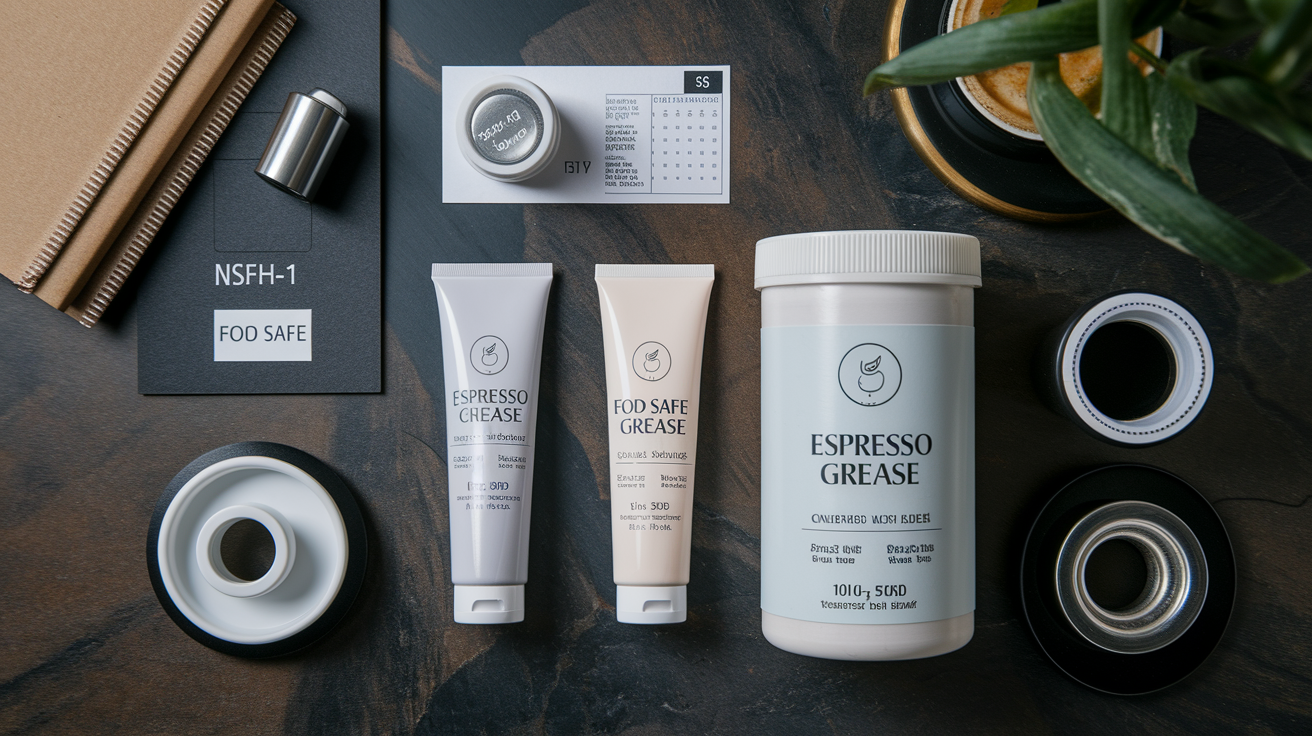
NSF‑H1 certification is the baseline. If a product lacks that label or explicit FDA food‑contact language, don’t use it on your espresso machine. Non‑certified greases can leach into coffee, void warranties, and pose health risks. Look for clear certification marks on the tube or jar and verify the product datasheet if you’re purchasing industrial‑size containers.
Larger containers (50–100 g tubs) offer better value per gram, but a 10–30 g tube can last a home user several years since each application uses only 0.1–0.3 g. If you run a small café or maintain multiple machines, bulk sizes make sense. For single‑machine home use, buy the smallest certified option to avoid expiration waste.
Thick silicone‑based greases cost more per ounce but require less‑frequent reapplication, cutting long‑term maintenance time. Lighter synthetic greases spread faster and suit weekly routines, but you’ll use slightly more product over the year. Balance your budget against how often you want to disassemble and clean the group.
Key purchase factors to evaluate:
NSF‑H1 or FDA food‑contact certification. Non‑negotiable for safety and compliance.
Price per gram and total package size. Home users: 10–30 g tubes ($6–$20). Cafés: 50–100 g tubs ($25–$80).
Shelf life and storage requirements. Sealed greases remain stable for years. Opened tubes last 12–24 months if capped tightly and stored cool.
Viscosity and reapplication interval. Thicker equals longer‑lasting. Lighter equals easier to spread and faster maintenance cycles.
Brand reputation and availability. Established industrial‑lubricant brands (Dow, Haynes, Loxeal) ensure consistent formulation and reliable supply chains.
Final Words
In the action: you picked NSF-H1 favorites, compared viscosity and spread, learned the pea‑sized application, and matched grease to gasket material.
Next, choose one product, test it on a clean gasket, use the same amount for 2-3 pulls, and watch for smoother sealing, less spritz, and an even puck.
Using the best food-safe lubricants for espresso gaskets will extend gasket life and steady your shots. Small, regular checks keep everything running well.
FAQ
Q: What is the food safe lubricant for espresso machines and coffee grinders?
A: The food-safe lubricant for espresso machines and coffee grinders is an NSF-H1 certified, food-contact-safe grease. Common picks include Molykote 111, Haynes Lubri-Film Plus, and Loxeal No. 4 for gaskets and moving parts.
Q: What can you use as a food-grade lubricant and what is a food safe silicone lubricant?
A: You can use any NSF-H1 food-grade lubricant; silicone-based greases are the food-safe choice for silicone gaskets. Match viscosity and temperature resistance to your machine and gasket material.