


Think any gasket will do?
That’s how you end up with leaks, sloppy locks, and thin shots.
This quick guide shows how to pick the correct gasket size so your portafilter locks at 6 o’clock, seals properly, and gives steadier shots.
You’ll learn the fastest checks: look up your model, measure the old gasket, and test the lock angle.
Do one change at a time, and you’ll cut tamp frustration and wasted coffee.
Fast Method to Identify the Correct Gasket Size
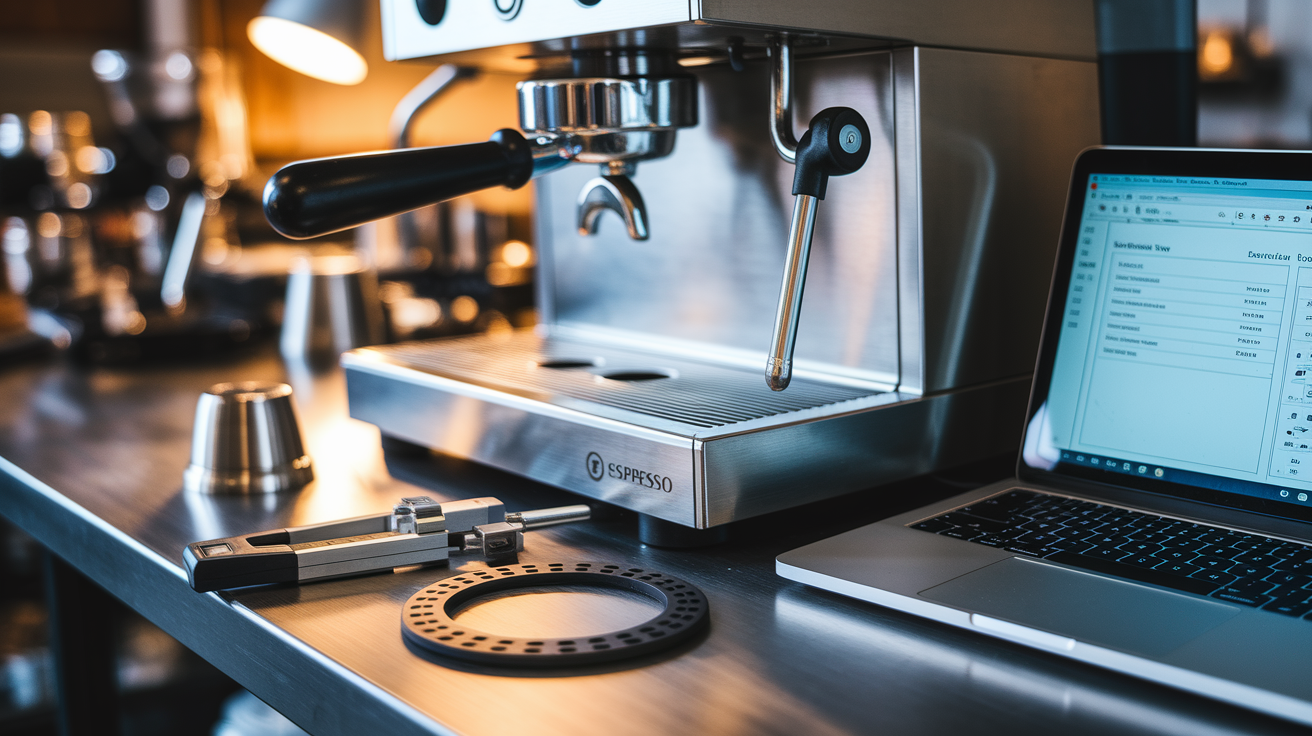
The fastest way to find the right gasket size is to check your machine’s model number and pull up the manufacturer’s spec sheet. Most manuals list the exact gasket dimensions, or you can search “[brand] [model] group gasket size” to grab the part number from the manufacturer or an authorized supplier.
If you can’t find the documentation, inspect the group head. Most commercial and prosumer machines use a 58 mm group head, but entry level machines often use 54 mm. Gasket thickness usually sits between 8 mm and 8.5 mm, though some models need 7 mm or 9 mm. Quick physical check: measure the old gasket after you remove it, or watch how far your portafilter rotates when locked in. If it stops around 6 o’clock (pointing straight down), your gasket thickness is correct.
Steps to figure out gasket size:
- Look up your machine’s model number in the manual or on the manufacturer’s website and find the recommended gasket part number and dimensions.
- Remove the existing gasket and measure outer diameter, inner diameter, and thickness using calipers or a ruler.
- Check the group head’s internal diameter by measuring across the metal seat where the gasket sits.
- Test the portafilter lock angle. It should stop at 6 o’clock when properly tightened. Stopping earlier (7 to 8 o’clock) means the gasket’s too thick. Stopping later (3 to 4 o’clock) means it’s too thin.
- Cross-reference your measurements with common standards: 54 mm, 57 mm, or 58 mm diameter, and 7 mm to 9 mm thickness.
Common signs the gasket needs replacing:
- Water leaking around the edge of the portafilter during brewing
- Portafilter feels loose or sloppy when locked into the group head
- Visible cracks, hardening, or flattening of the gasket material
- Reduced brewing pressure or inconsistent extraction (thin, fast shots with low crema)
Pros and Cons of Different Espresso Gasket Types

Espresso gaskets come in silicone or rubber (nitrile/NBR), and each material performs differently. Most aftermarket gaskets today are silicone, while many OEM gaskets still use traditional rubber.
Silicone gaskets resist heat degradation better and last longer under high brewing temps, but they create a slightly softer seal that some users find less secure. Rubber gaskets form a firmer, tighter seal and are often preferred in high volume commercial settings, but they harden and crack faster. Especially with frequent backflushing and exposure to cleaning chemicals. Your choice depends on how often you brew, your machine’s temperature stability, and how often you’re willing to swap the gasket.
Material comparison:
- Silicone pros: Lasts longer (12+ months typical use), resists hardening from heat, doesn’t absorb coffee oils or odors, available in bright colors for easy inspection, stays flexible and reduces wrist strain during portafilter locking.
- Silicone cons: Softer seal may feel less “locked in,” can be damaged by sharp removal tools (avoid knives or screwdrivers), slightly higher cost than rubber.
- Rubber (nitrile) pros: Firmer, tighter seal under pressure, excellent resistance to oils and acids, widely available and low cost, proven long term reliability in commercial machines.
- Rubber cons: Hardens and cracks faster (replace every 3 to 6 months in high volume use), can absorb flavors over time, more sensitive to backflushing chemicals and high brewing temps.
Understanding Group Head and Portafilter Compatibility
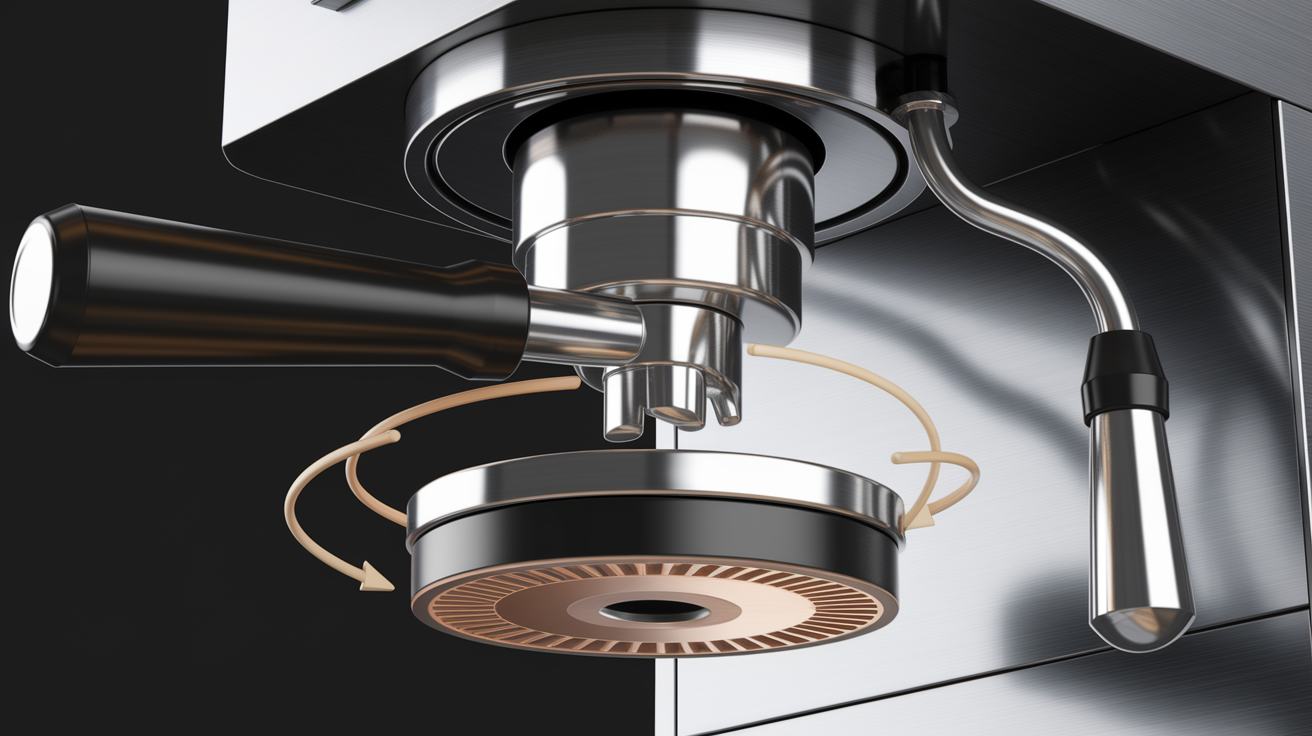
Group head size is the main factor determining gasket outer diameter. The three most common sizes are 58 mm (standard for most commercial and prosumer machines), 57 mm (less common, used by some boutique brands), and 54 mm (typical for entry level domestic machines like Breville and De’Longhi).
Gasket thickness determines how far the portafilter rotates before it locks securely. If the gasket’s too thick, the portafilter stops early and won’t seal properly. If it’s too thin, the portafilter over-rotates past the ideal lock point, also compromising the seal and potentially straining the lugs. Some brands use proprietary thicknesses. La Marzocco, for example, often uses 6 mm to 6.35 mm gaskets because their portafilter ears are slightly thicker, while most E61 style machines use 8.5 mm.
Compatibility factors to check:
- Group head diameter: Measure the internal diameter of the metal seat where the gasket sits. This determines the gasket’s outer diameter (54 mm, 57 mm, or 58 mm).
- Portafilter lug thickness: Thicker lugs (like original La Marzocco portafilters) require thinner gaskets (8 mm or less) to allow full rotation and lock in.
- Gasket thickness: Typically 7 mm to 9 mm. The correct thickness allows the portafilter to lock at the 6 o’clock position without over or under-rotating.
- Brand-specific designs: Some manufacturers specify proprietary gasket dimensions or integrate the gasket with the shower screen (common in E61 groups).
- Aftermarket vs OEM fit: Aftermarket gaskets may have slight dimensional variations. Always verify measurements against your machine’s specs and test fit before full installation.
How to Measure an Espresso Gasket Correctly

Accurate measurement is essential when documentation isn’t available or when you’re switching from OEM to aftermarket gaskets. Remove the old gasket completely and clean the group head seat so you’re measuring a flat, dry surface. Compressed or worn gaskets may measure thinner than their original spec, so if possible, consult the machine manual or measure a new, unused gasket for the most accurate reference.
Measuring Diameter
Outer diameter (OD) is the gasket’s total width across its widest point, and inner diameter (ID) is the opening in the center. Both dimensions must match the group head’s metal seat and the portafilter’s filter basket diameter to create a proper seal.
- Place the gasket on a flat surface and use digital calipers or a ruler to measure straight across the outer edge at the widest point. This is the outer diameter (OD).
- Measure straight across the inner opening at its widest point to find the inner diameter (ID).
- Record both measurements in millimeters. Common OD sizes are 72 mm, 73 mm, or 74 mm, and common ID sizes are 52 mm to 58 mm.
Measuring Gasket Thickness
Thickness (also called height or depth) determines the portafilter’s lock angle and sealing pressure. Even a 0.5 mm difference can change how the portafilter engages.
- Lay the gasket flat and use calipers to measure the vertical height from the bottom surface to the top surface at the thickest part of the gasket cross-section.
- Take measurements at three points around the gasket (top, middle, bottom of the circle) and average them, because wear or compression can cause uneven thickness.
- Record the thickness in millimeters. Standard thicknesses range from 6 mm to 9 mm, with 8 mm and 8.5 mm being the most common.
| Measurement Type | What It Affects |
|---|---|
| Outer Diameter (OD) | Fit within the group head seat; too large won’t fit, too small will leak around the edge |
| Inner Diameter (ID) | Seal contact with the portafilter basket rim; must match basket size to prevent leaks and ensure even pressure |
| Thickness (Height) | Portafilter lock angle and sealing compression; wrong thickness causes loose or over-tight lock, leaks, and uneven extraction |
Brand-Specific Gasket Considerations
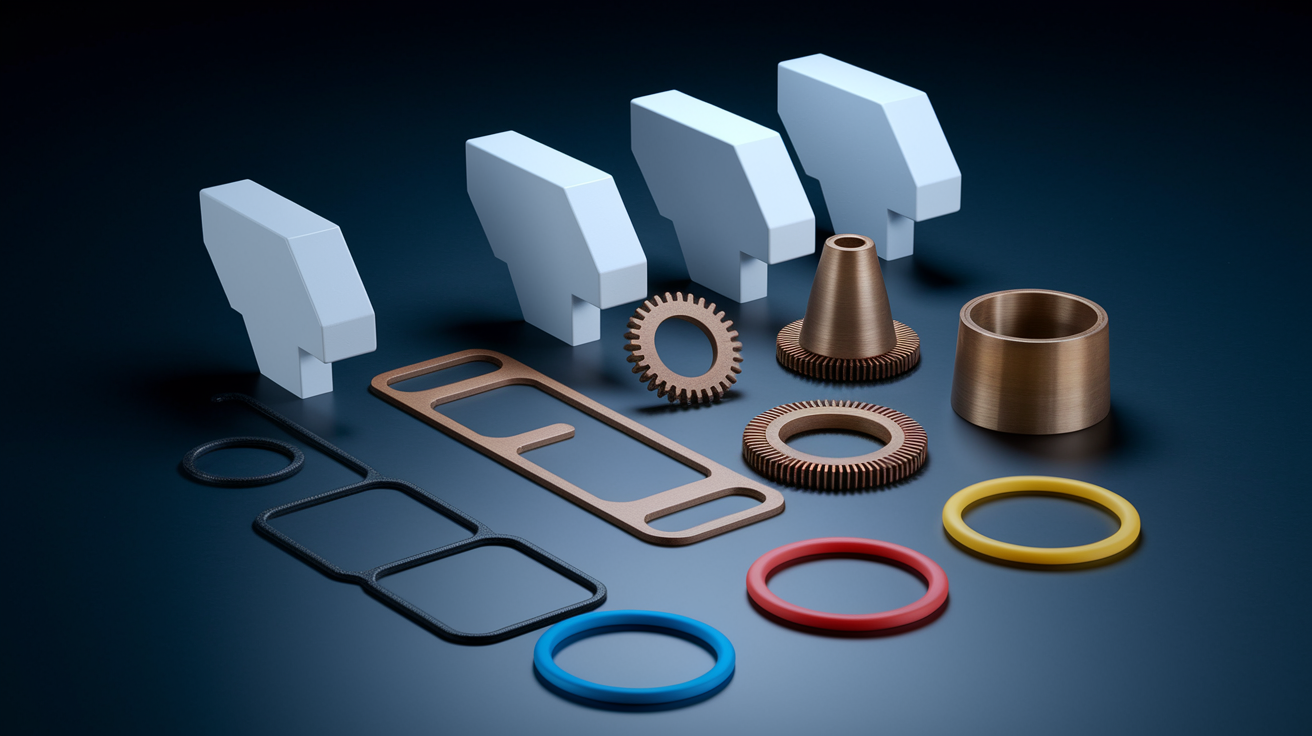
Most espresso machine brands follow one of a few common size standards, but thickness and material choices vary. E61 style group heads (used by Rocket, ECM, Profitec, and others) typically use 73 mm OD × 57 mm ID × 8.5 mm thickness, and aftermarket silicone versions are widely compatible across these machines. La Marzocco machines, however, often require a thinner 6 mm to 8 mm gasket because the original portafilter lugs are thicker, and using the standard 8.5 mm gasket prevents the portafilter from rotating far enough to lock securely.
Breville and De’Longhi domestic machines commonly use 54 mm group heads, and their gaskets are typically 7 mm to 8 mm thick. These machines often have integrated gasket and screen assemblies, so replacement may require ordering a brand-specific part rather than a universal aftermarket gasket. Rancilio machines (like the Silvia) use 58 mm groups but often specify a slightly larger OD gasket. 74 mm × 57.5 mm × 8.5 mm. So always confirm the exact dimension before ordering.
OEM gaskets are designed to fit precisely, but aftermarket silicone gaskets offer longer life and better heat resistance. If you’re switching from OEM rubber to aftermarket silicone, test fit the new gasket and check the portafilter lock angle before running a full shot. A gasket that’s even 0.5 mm thicker or thinner than spec can change the engagement point and affect seal quality.
Common brand gasket dimensions:
- La Marzocco, Synesso, Slayer, MAVAM: 72 mm OD × 55 mm ID × 6 mm to 6.35 mm thickness (thinner gasket for thicker portafilter lugs)
- E61 group heads (Rocket, ECM, Vibiemme, Expobar, Faema): 73 mm OD × 57 mm ID × 8.5 mm thickness (most common aftermarket size)
- Rancilio Silvia and similar: 74 mm OD × 57.5 mm ID × 8.5 mm thickness
- Breville Barista series (54 mm group): 54 mm group-specific gasket, 7 mm to 8 mm thickness, often integrated with shower screen
- Nuova Simonelli, Cimbali, Victoria Arduino: Conical group seal, 9 mm height, brand-specific fit
How to Choose the Correct Size Gasket

Choosing the correct gasket starts with knowing your machine model and confirming the group head size, then narrowing down thickness based on portafilter lock behavior and your measured values. If you have the machine manual or can find the OEM part number, start there. If not, measure the old gasket and cross-reference the dimensions with your machine’s known group head size.
Based on Machine Model
If you know your machine’s brand and model, use the manufacturer’s spec or parts diagram to find the exact gasket size and part number. This is the most reliable method and eliminates guesswork.
- Search for “[brand] [model] group gasket” or check the machine’s user manual parts list for the gasket part number and dimensions.
- Verify whether your machine uses a standard group head (E61, 58 mm commercial, 54 mm domestic) or a proprietary design.
- Confirm whether the gasket is separate or integrated with the shower screen. Integrated designs require a complete assembly replacement.
- Order the OEM part number or find an aftermarket equivalent that matches all three dimensions (OD, ID, thickness) exactly.
Based on Measurements
When documentation isn’t available, direct measurement of the old gasket or the group head seat gives you the dimensions you need to order a replacement.
- Remove the old gasket and measure outer diameter, inner diameter, and thickness using calipers. Record all three values.
- If the old gasket is compressed or damaged, measure the group head’s internal seat diameter and the portafilter basket’s outer rim to estimate the correct ID and OD.
- Compare your measurements to common size standards (54 mm, 57 mm, 58 mm group head diameter; 7 mm to 9 mm thickness).
- If your measurements fall between two standard sizes, choose the closest match and test fit the portafilter lock angle before brewing. Adjust thickness up or down by 0.5 mm if the lock is too loose or too tight.
Based on Brewing Performance
Gasket fit directly affects extraction consistency, so pay attention to how your portafilter locks in and how shots behave. Performance clues can tell you whether your current gasket is the wrong size or simply worn out.
- Portafilter stops before 6 o’clock (7 to 8 o’clock position): Gasket is too thick. Try a gasket 0.5 mm thinner.
- Portafilter rotates past 6 o’clock (3 to 4 o’clock position): Gasket is too thin. Try a gasket 0.5 mm thicker.
- Water leaks around the portafilter edge during brewing: Gasket is worn, compressed, or the wrong inner diameter. Measure and replace.
- Portafilter feels loose or wobbly when locked: Gasket has compressed or hardened. Replace with the same size in fresh silicone or rubber.
- Sour, under-extracted shots with normal grind and dose: Low brew pressure may indicate a leaking gasket. Check for water escaping around the portafilter and inspect gasket condition.
Gasket Size Comparison Overview
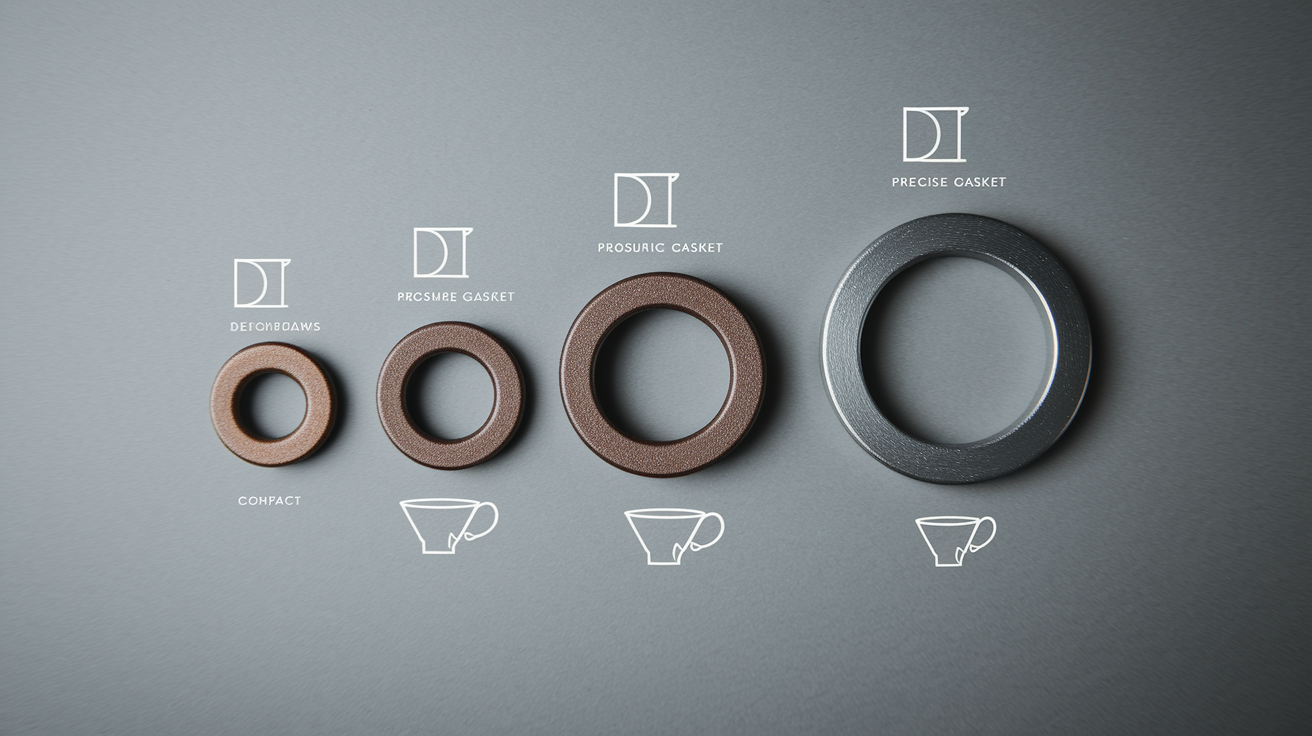
A quick comparison of the most common gasket sizes helps you identify which category your machine falls into and what dimensions to look for when ordering a replacement.
| Common Size | Typical Thickness | Compatible Brands |
|---|---|---|
| 54 mm group head | 7 mm to 8 mm | Breville Barista series, De’Longhi Dedica, entry level domestic machines |
| 58 mm group head (E61 standard) | 8 mm to 8.5 mm | Rocket, ECM, Profitec, Bezzera, Vibiemme, Quick Mill, most prosumer E61 machines |
| 58 mm group head (La Marzocco style) | 6 mm to 8 mm | La Marzocco, Synesso, Slayer, MAVAM (thinner gasket for thicker portafilter lugs) |
How to Install and Maintain an Espresso Gasket
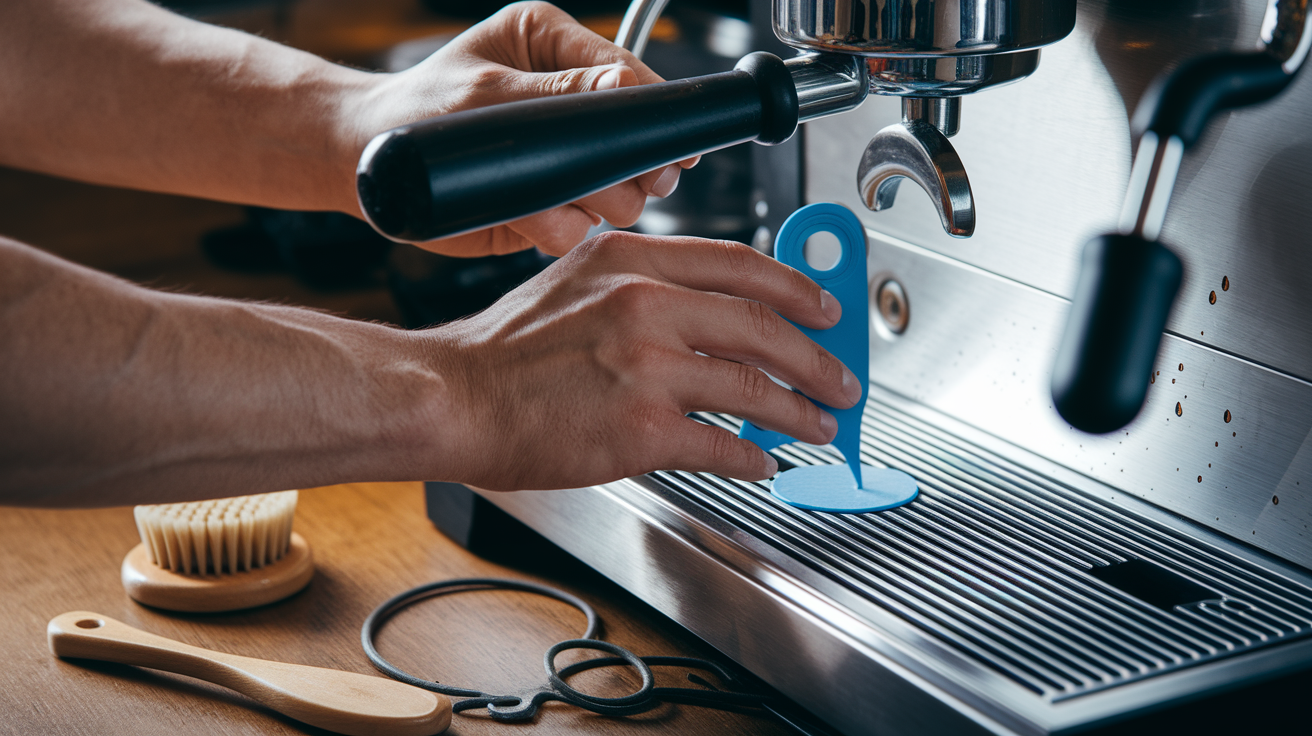
Installing a new gasket is straightforward but requires care to seat it evenly and avoid damage. Always clean the group head seat thoroughly before installation. Old coffee oils, scale, and residue prevent a good seal and can cause the new gasket to wear unevenly.
Gaskets should be replaced every 6 to 12 months in home use, or every 3 to 6 months in commercial settings with high shot volume. Backflushing with detergent accelerates gasket wear, especially with rubber gaskets, so inspect the gasket every few months and replace it as soon as you see cracks, hardening, or compression. Keeping a spare gasket on hand prevents downtime when a gasket fails unexpectedly.
Installation steps:
- Turn off the machine and let the group head cool completely.
- Remove the portafilter, unscrew the shower screen (if separate), and carefully pry out the old gasket using a blunt tool like a wooden coffee stirrer. Avoid metal screwdrivers that can scratch the group head seat.
- Clean the group head seat with a brush and damp cloth, removing all coffee residue, oils, and scale. Dry the surface completely.
- Press the new gasket into the seat evenly, working around the circumference to ensure it sits flat without twisting or bunching.
- Reinstall the shower screen (if separate), insert the portafilter, and lock it in. Check that it stops at the 6 o’clock position. Run a blank shot (no coffee) to test for leaks around the edge.
Maintenance practices:
- Backflush weekly (or per manufacturer schedule) with water only, and monthly with espresso machine detergent. Always run several rinse cycles after chemical backflushing to protect the gasket.
- Inspect the gasket every month for cracks, hardening, or visible compression. Replace immediately if you see damage or if the portafilter lock feels loose.
- Wipe the group head and gasket after each session to remove coffee oils and prevent buildup that degrades the gasket material.
- Avoid over-tightening the portafilter. Lock it firmly at 6 o’clock but don’t force it farther. Excessive force compresses the gasket faster and can damage portafilter lugs.
Final Words
Start by checking your machine model and measuring the old gasket’s outer diameter, inner diameter, and thickness, those three numbers get you closest fast. Watch for leaking, sloppy lock-in, or reduced pressure — clear signs it needs replacing.
Compare silicone vs rubber, confirm group head and portafilter fit, then follow the install steps and a 6-12 month replacement rhythm to keep performance steady.
Follow the steps above so you know exactly how to choose the correct size gasket for my espresso machine and enjoy more consistent, leak-free shots.
FAQ
Q: How do I know what size gasket I need?
A: The size you need is set by your machine model or by measuring the old gasket’s outer diameter, inner diameter, and thickness; most commercial group heads are 58mm, thickness often 8–8.5mm.
Q: What size Bialetti gasket do I need?
A: The Bialetti gasket size depends on the specific model; confirm by removing and measuring the old gasket’s outer diameter and thickness or by checking the model number before buying a replacement.
Q: What size head gasket should I get?
A: The head gasket size you should get matches your group head’s internal diameter and preferred thickness; measure the seat or existing gasket, or look up the machine’s specs for the correct OD/ID and mm thickness.
Q: How to know what type of gasket to use?
A: The type you should use depends on heat and maintenance: silicone resists heat and lasts longer, while rubber gives a firmer seal but wears faster—pick silicone for longevity, rubber for a tight initial fit.