
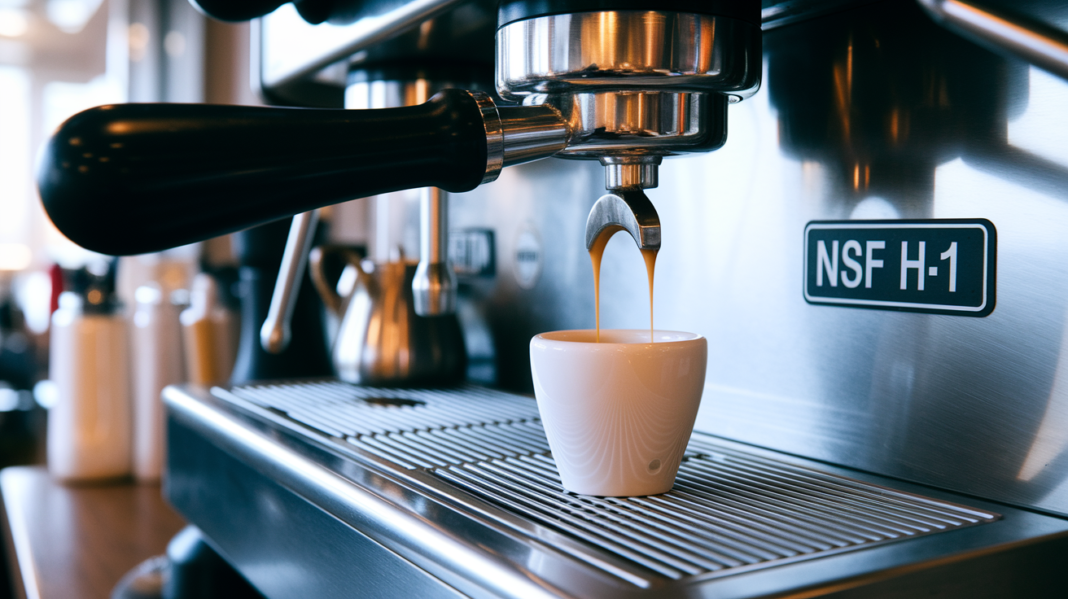

Think any grease will do? Not for espresso machines.
The wrong lubricant can swell gaskets, leach into steam, and leave a waxy film in your cup.
This guide compares the three food-safe options—NSF H1 silicone, NSF H1 synthetic/PTFE, and PFPE—so you can match grease to gasket material and heat profile.
You’ll get clear recommendations, compatibility notes, and the single best next step to try at home, so your seals last longer and your shots stay clean and consistent.
Top-Rated Food-Safe Greases for Espresso Machine Gaskets (Immediate Recommendations)
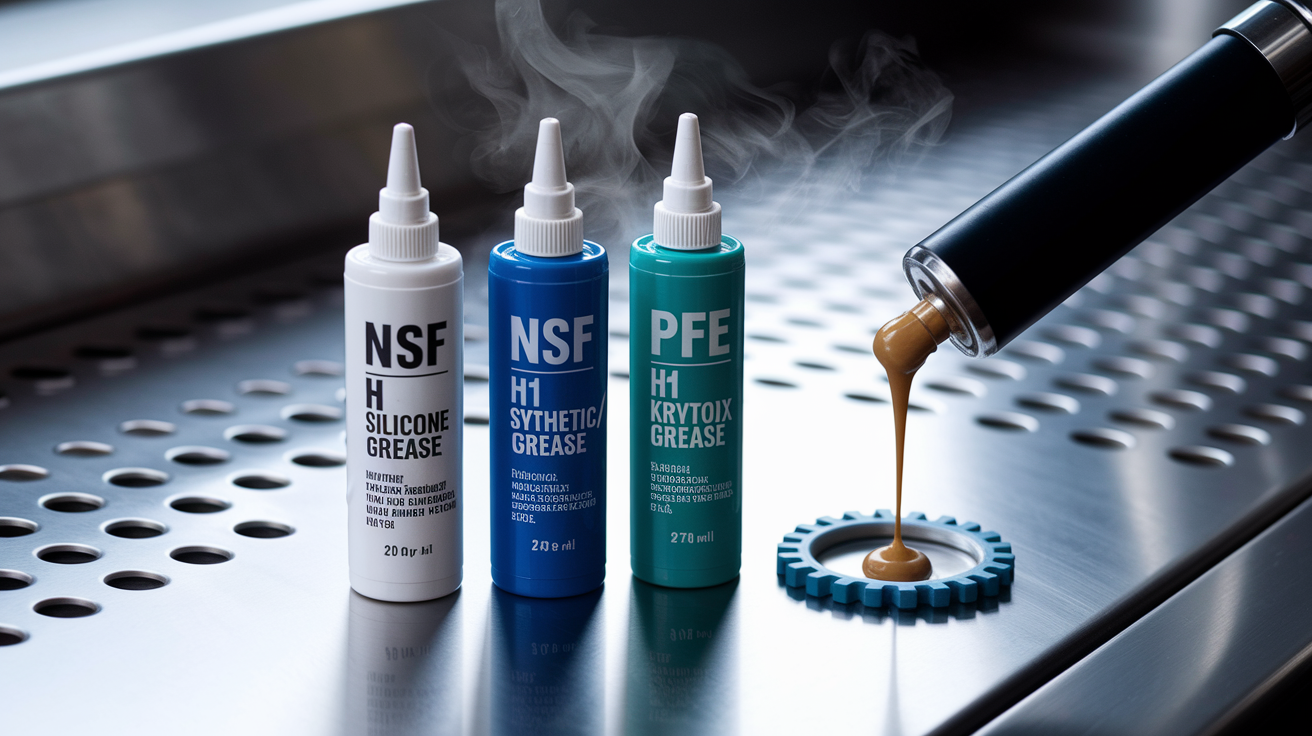
Three product categories handle safe, certified gasket lubrication for espresso machines: NSF H1 silicone grease, NSF H1 synthetic/PTFE grease, and PFPE-based high-temperature greases. Each one’s different when it comes to heat tolerance, what elastomers it plays well with, and how long it lasts. Match the right type to your machine’s materials and operating conditions, and you’ll lock in both safety and long-term reliability.
NSF H1 silicone greases give you water resistance and broad food-safety compliance at the lowest price. NSF H1 synthetic/PTFE formulations push temperature ceilings higher and work with more gasket materials, especially useful for machines running hot boilers or using mixed seals. PFPE greases sit at the premium tier. They’re engineered for extreme longevity and thermal stability in commercial settings where reapplication downtime costs more than the product.
NSF H1 Silicone Grease: rated −40°C to +200°C; 5–30 g tubes usually run US$5–$15; safe for silicone and EPDM gaskets; can cause swelling in some NBR/Buna-N compounds.
NSF H1 Synthetic/PTFE Grease: rated −40°C to +204–260°C depending on formulation; 3 oz tubes or syringes cost US$8–$25; compatible with Viton (FKM), NBR, EPDM, and most elastomers; longer service intervals.
PFPE/Krytox-Style Grease: premium thermal stability up to +200–250°C; small tins/tubes run US$30–$100+; chemically inert; ideal for high-volume commercial machines or steam-exposed seals.
Aerosol Silicone (NSF H1): 10–11 oz cans cost US$8–$18; quick application for hard-to-reach O-rings and hinge points; don’t spray it directly into the brew path.
Petroleum-Based Greases: not NSF H1 or FDA-approved; they can leach harmful compounds into coffee, swell silicone gaskets, and break down at espresso temperatures. Never use them on food-contact parts.
The next sections break down certification requirements, application techniques, and material compatibility so you can choose and apply the correct product for your specific machine and usage pattern.
Understanding Food-Safe Grease Standards for Espresso Equipment
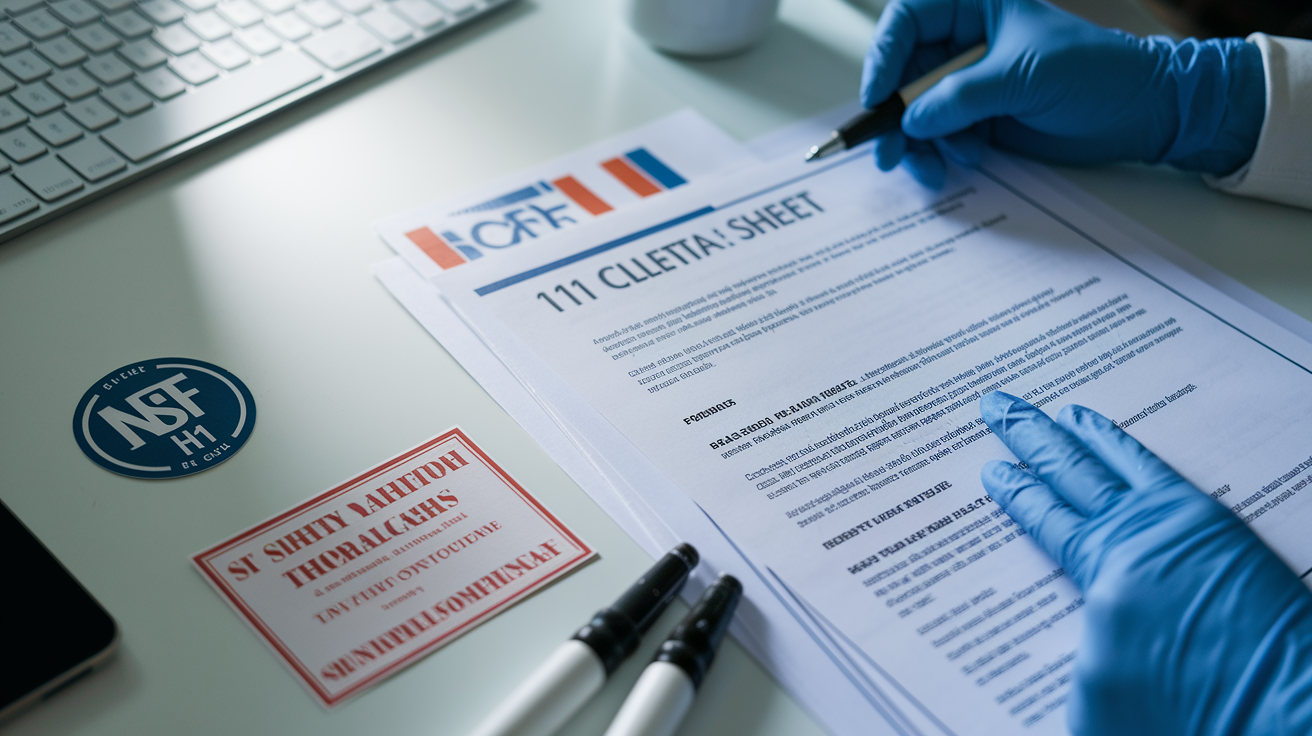
Food-safe lubricants carry specific certifications that confirm they meet regulatory limits for incidental food contact. Trace migration into coffee or steam won’t introduce toxic or unsafe substances. The two key markers to verify on any grease label or safety data sheet: NSF H1 registration and compliance with FDA 21 CFR 178.3570. Together they define ingredient purity and allowable concentrations for food-processing equipment.
NSF H1 certification indicates the product can come into incidental contact with food and contains only ingredients approved for that use. NSF H2 greases are restricted to non-food-contact surfaces like external bearings or hinges. A grease marketed as “food-grade” or “safe” without an NSF registration number or explicit FDA compliance statement doesn’t guarantee regulatory approval. Don’t use it on group-head gaskets, portafilter seals, or steam-wand O-rings. Cross-check the manufacturer’s safety data sheet or technical bulletin for the NSF H1 registration number before you buy.
Unlabeled silicone greases, hardware-store PTFE pastes, and petroleum jelly lack these certifications. They can contain mineral oils, volatile solvents, or additives that fail food-contact standards. Using uncertified products introduces health risks, voids many machine warranties, and can impart off-flavors that compromise extraction quality even if no visible contamination occurs.
Comparing Silicone vs. PTFE vs. PFPE Food-Safe Greases for Espresso Machines

Silicone-based NSF H1 greases use a silicone polymer base that resists water washout and maintains lubricity across a typical service range of −40°C to +200°C. That makes them suitable for group-head gaskets that see brew temperatures around 90–95°C and occasional steam exposure. They work best on silicone and EPDM gaskets but can cause swelling or softening in some nitrile (NBR) compounds. Check compatibility with your gasket manufacturer’s recommendations.
Synthetic/PTFE greases blend a synthetic base oil with polytetrafluoroethylene (PTFE) particles. This extends the upper temperature limit to roughly +204–260°C depending on formulation and offers broader elastomer compatibility, including Viton (FKM), NBR, and EPDM. These greases cost a bit more, typically US$8–$25 for a 3 oz tube, but they deliver longer service intervals and lower risk of material incompatibility in machines that use mixed gasket types or operate near the upper edge of silicone grease ratings.
PFPE (perfluoropolyether) greases represent the premium category. They’re engineered for chemical inertness, extreme temperature stability up to +200–250°C, and multi-year service life even under continuous high-load conditions. Small tins or tubes range from US$30 to over $100, making them cost-effective mainly for commercial environments where daily reapplication labor outweighs product expense, or for steam-exposed seals that exceed the thermal ceiling of silicone and PTFE options.
| Type | Temp Rating | Best For | Price Range | Compatibility Notes |
|---|---|---|---|---|
| Silicone (NSF H1) | −40°C to +200°C | Silicone, EPDM gaskets; low-frequency reapplication | US$5–$15 per 5–30 g tube | May swell NBR; verify before use |
| Synthetic/PTFE (NSF H1) | −40°C to +204–260°C | Viton, NBR, EPDM; mixed-material systems | US$8–$25 per 3 oz tube | Broadest elastomer compatibility; longer service life |
| PFPE (e.g., Krytox) | Up to +200–250°C | High-volume commercial; steam-exposed seals | US$30–$100+ per small tin | Chemically inert; multi-year intervals |
Compatibility Guide: Matching Grease to Espresso Gasket Materials
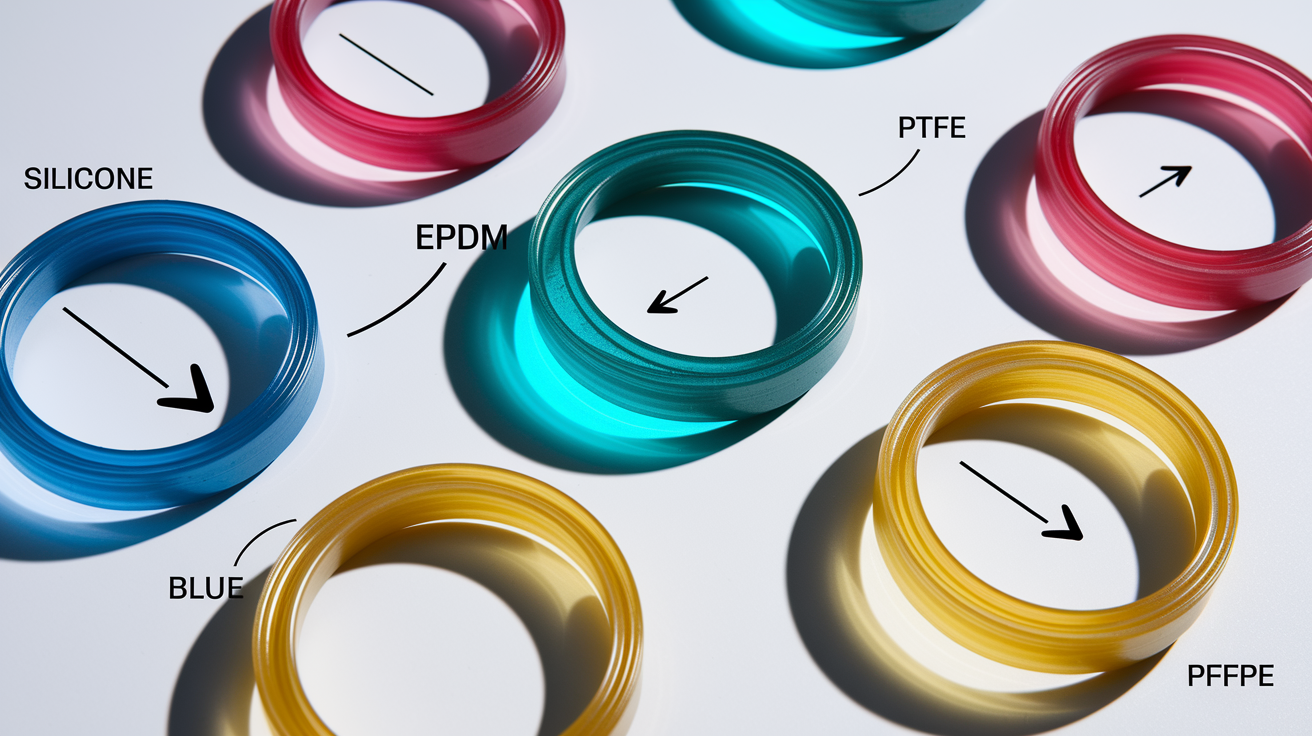
Silicone gaskets tolerate silicone-based greases without chemical incompatibility, but pairing them with PTFE/synthetic formulations is also safe and can extend reapplication intervals if the grease’s base oil doesn’t react with the elastomer. EPDM gaskets accept both silicone and PTFE-based NSF H1 greases reliably, making them the most forgiving material when product choice is uncertain or when a single grease must service multiple gasket types in a mixed machine environment.
Viton (FKM) gaskets require more selective lubrication. Silicone greases can occasionally cause surface softening or reduced chemical resistance, so PTFE/synthetic or PFPE greases are the preferred choices to maintain seal integrity and service life. Nitrile (NBR/Buna-N) seals similarly favor PTFE-based products. Silicone greases can induce swelling or accelerated aging depending on the compound formulation and temperature exposure.
Using the wrong grease on a gasket material accelerates wear, reduces sealing pressure, and shortens replacement intervals. Verify compatibility before applying a new product.
Check the gasket manufacturer’s technical data or service manual for approved lubricant types.
If gasket material is unknown, default to NSF H1 synthetic/PTFE grease for the widest safe coverage.
Test a small patch on a spare gasket if switching products, watching for swelling or surface texture changes over 24 hours.
Replace any gasket that shows tears, flat spots, or hardening before applying fresh grease. Lubrication won’t restore a damaged seal.
How to Apply Food-Safe Grease to Espresso Machine Gaskets
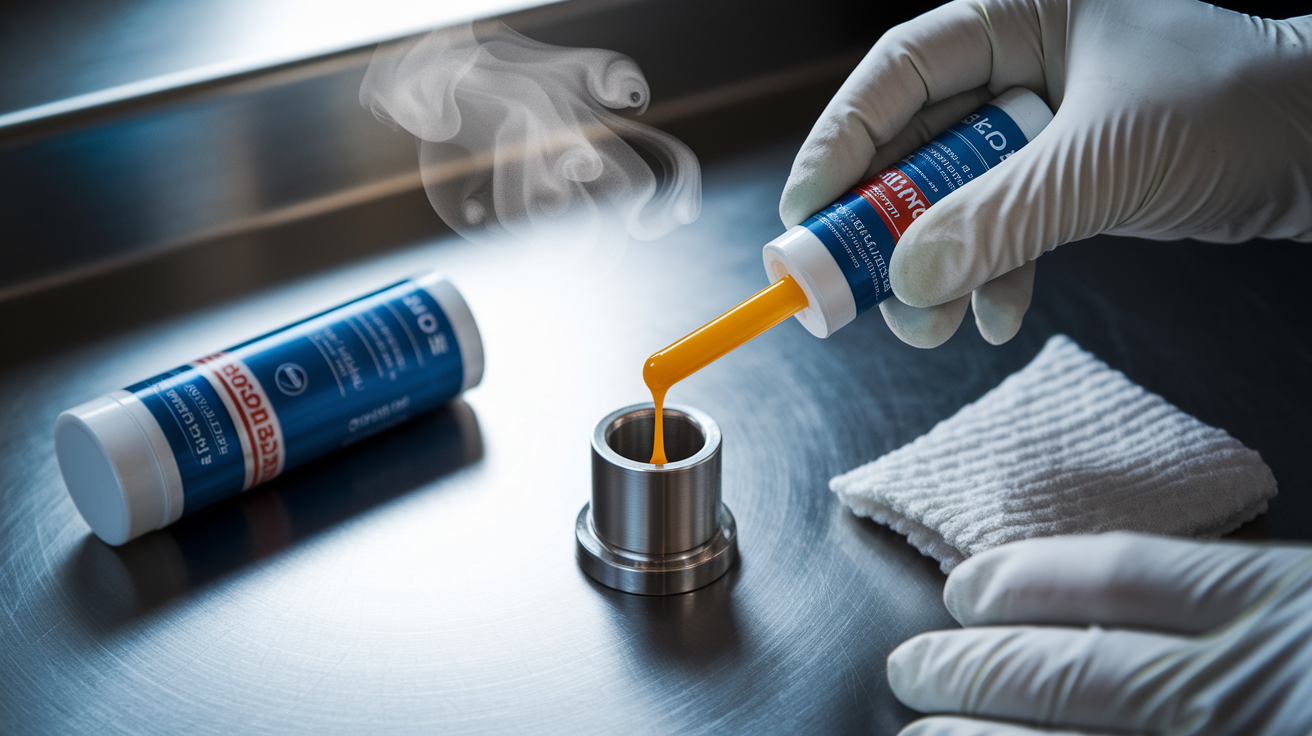
Proper application prevents contamination, reduces waste, and keeps the grease film where it performs work rather than migrating into the brew path or attracting coffee grounds.
Power down and cool the machine. Let the group head reach safe handling temperature before disassembly to avoid burns and thermal expansion interference.
Remove the gasket or access the seal surface. On most group heads, the gasket can be pried out gently with a blunt tool. For O-rings on steam wands or portafilter threads, disassemble the relevant components.
Clean all surfaces thoroughly. Wipe away old grease, coffee oils, and scale using a lint-free cloth and mild food-safe detergent. Rinse and dry completely to prevent water dilution of the new lubricant.
Inspect the gasket for damage. Check for cracks, deformation, or hardening. Replace if any defects are visible. Grease won’t repair structural failure.
Apply a pea-sized amount of grease. Roughly 0.1–0.5 g depending on gasket diameter. For a typical 58 mm group-head gasket, a single pea-sized dab is enough.
Spread the grease into a thin, even film. Use a clean fingertip or applicator to coat only the sealing lip and outer gasket face. Avoid the inner diameter that contacts the brew water.
Reinstall the gasket and reassemble. Seat the gasket evenly in its groove, making sure there are no twists or folds that create leak paths.
Run 1–2 blind shots without a portafilter basket. This distributes the grease under pressure and purges any excess into the drip tray.
Wipe away visible excess. Check the group-head rim and portafilter contact surface for grease blobs. Remove with a clean cloth to prevent coffee-ground adhesion.
Test extraction. Pull a normal shot and inspect for leaks, unusual resistance during portafilter lock-in, or off-flavors in the cup.
Over-greasing floods the seal interface, attracts debris, and risks grease entering the brew stream where it can impart a waxy taste or create a slick film on the coffee surface. Under-greasing leaves dry spots that wear faster and may allow water to bypass the seal during high-pressure extraction.
Maintenance Schedule: How Often to Reapply Grease on Espresso Machines

Home machines pulling 1–4 shots per day typically need gasket relubrication every 6–12 months, assuming the grease hasn’t washed out and the gasket remains intact. Moderate-use environments brewing 10–50 shots daily should inspect and reapply every 3–6 months. High-volume commercial setups extracting 200–1,000+ shots per day benefit from monthly lubrication checks and gasket replacement every 6–24 months depending on grease type and operating pressure.
PTFE-based and PFPE greases extend intervals compared to silicone products because they resist thermal breakdown and water washout more effectively. Machines using synthetic formulations can often double their reapplication schedule relative to silicone grease under identical usage patterns. Descaling cycles, backflushing with detergent, and steam-cleaning protocols all strip residual lubricant, so always reapply grease after any chemical maintenance procedure that contacts the gasket surfaces.
Watch for these signs that relubrication or gasket replacement is overdue:
Water leaking from the group-head rim during extraction, indicating seal compression loss or grease washout.
Increased resistance or slippage when locking the portafilter into place, suggesting dry or sticky gasket surfaces.
Audible squeaking or grinding during portafilter rotation, a sign the lubricant film has failed.
Uneven puck surface or channeling from pressure leaks around the gasket perimeter.
Post-descaling or backflush cycles, which chemically strip grease and require immediate reapplication to prevent accelerated wear.
Troubleshooting Grease Issues on Espresso Machines

Persistent leaks after fresh grease application usually point to gasket deformation, hardening, or an incorrect fit rather than lubrication failure. Remove and inspect the gasket for flat spots, cracks, or measurement drift outside the manufacturer’s specified diameter and thickness. If the gasket appears intact but leaks continue, verify that the grease type matches the elastomer material. Silicone grease on NBR gaskets can cause swelling that disrupts the seal geometry, while petroleum-based products soften or crack silicone gaskets within days of exposure.
Flavor contamination showing up as waxy, oily, or chemical notes in the cup most often results from over-application or grease migration into the brew path. Disassemble the group, clean all interior surfaces with hot water and detergent, and reapply only a minimal film to the gasket’s outer sealing lip. Avoid aerosol sprays inside the group head or anywhere upstream of the shower screen. Propellants and dispersed grease particles easily enter the water flow and persist through multiple shots.
Gasket swelling or surface softening after lubrication signals chemical incompatibility between the grease base and the elastomer compound. This requires immediate removal of the product, thorough cleaning, and replacement with an NSF H1 synthetic/PTFE grease that lists the specific gasket material on its compatibility chart. Test any new grease on a spare gasket or a small patch for 24–48 hours before full application to catch swelling, discoloration, or texture changes that predict service failure.
Storage, Shelf Life, and Safety Tips for Food-Grade Espresso Grease
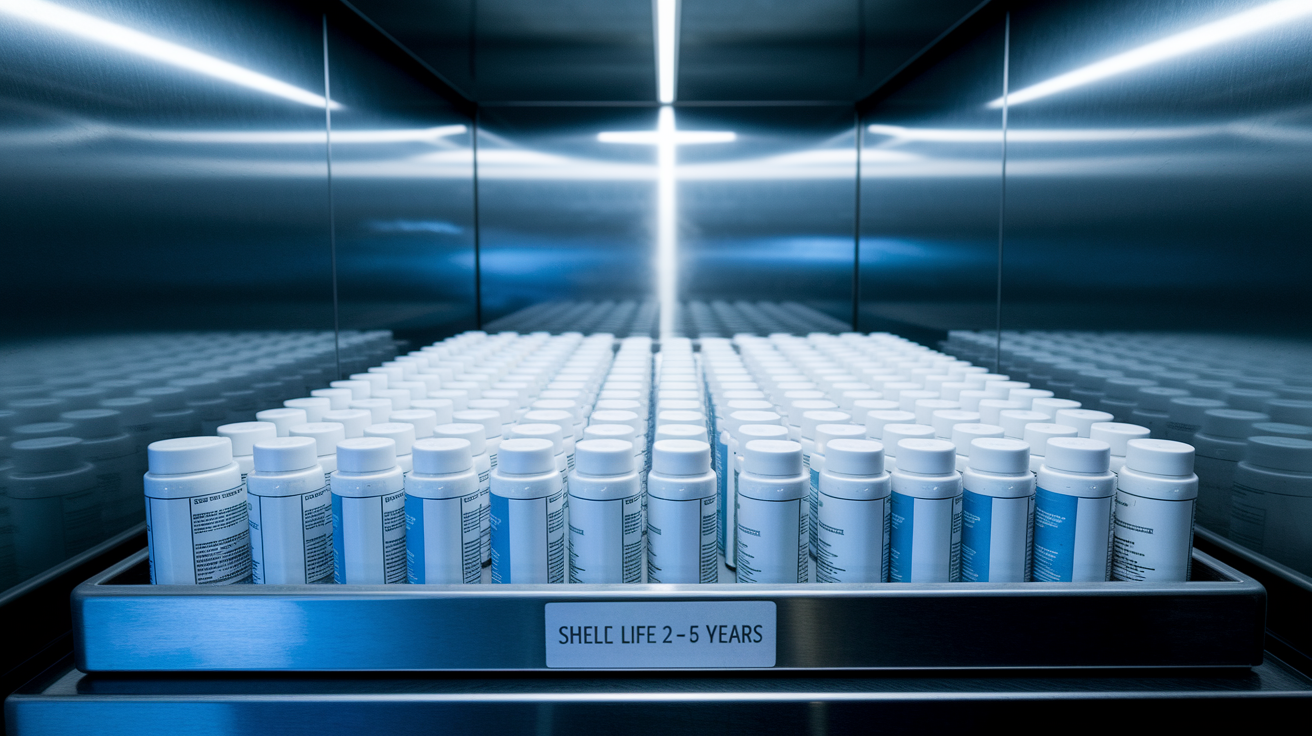
Unopened tubes and tins of NSF H1 grease typically carry a shelf life of 2–5 years when stored below 25°C in a dry, sealed environment away from direct sunlight and heat sources that accelerate base-oil oxidation or additive breakdown. Once opened, reseal the container tightly after each use. Don’t introduce water, coffee grounds, or foreign contaminants that compromise the formulation and shorten usable life.
Food-grade certification doesn’t mean the grease is edible or safe for ingestion in quantity. Store tubes out of reach of children and pets, wash hands after application, and never apply grease with tools that will later contact food without thorough cleaning. PTFE and PFPE greases are chemically stable and non-volatile, reducing the risk of airborne contamination in confined spaces, but always make sure you’ve got adequate ventilation when working inside a machine to avoid inhaling any fine particulate if dust or aerosol forms during application or cleaning.
Quick Summary Table of Food-Safe Greases for Espresso Machines

This simplified recap highlights the three main grease categories covered earlier without restating temperature ranges, prices, or compatibility details.
| Grease Type | Key Cert | General Use Case |
|---|---|---|
| Silicone (NSF H1) | NSF H1, FDA 21 CFR 178.3570 | Silicone and EPDM gaskets; home and light commercial |
| Synthetic/PTFE (NSF H1) | NSF H1, FDA 21 CFR 178.3570 | Viton, NBR, EPDM; mixed-material systems; moderate to heavy use |
| PFPE (e.g., Krytox) | NSF H1, FDA 21 CFR 178.3570 | High-volume commercial; steam-exposed seals; long-interval maintenance |
Final Words
Pick a certified grease—NSF H1 silicone, PTFE synthetic, or PFPE—and match it to your gasket material. Start with the category that fits your elastomer, container size, and heat needs.
This post walked through certifications, how to apply a pea-sized smear, maintenance intervals, troubleshooting common mistakes, safe storage, and a quick reference table so you can buy with confidence.
For most home setups, the best food-safe gasket grease for espresso machines is an NSF H1 silicone or PTFE synthetic used sparingly and checked on the schedule. You’ll get cleaner seals and more consistent shots.
FAQ
Q: What is food safe grease for espresso machines?
A: Food-safe grease for espresso machines is a lubricant certified for incidental food contact, like NSF H1 or FDA 21 CFR 178.3570 approved types. It protects gaskets, tolerates heat, and won’t contaminate coffee.
Q: What is the difference between silicone grease and food grade silicone grease?
A: The difference between silicone grease and food-grade silicone grease is certification and formulation: food-grade meets NSF H1/FDA standards and avoids harmful additives, while generic silicone grease can include oils or fillers unsafe for brew paths.
Q: What lubricant is used for espresso machines?
A: The lubricant used for espresso machines is typically NSF H1 silicone, NSF H1 PTFE/synthetic, or PFPE (Krytox-style) grease. Pick by gasket material and temperature, and avoid petroleum-based greases.
Q: Is there a food safe grease?
A: There is a food-safe grease for espresso machines: NSF H1 and FDA 21 CFR 178.3570 approved silicone, PTFE/synthetic, and PFPE options. Match the grease to your gasket material and operating temperature.