

Is your tamper choice quietly wrecking your shot consistency?
The metal under your palm affects puck compression, heat transfer, and repeatability.
This post compares stainless steel, aluminum, and brass on weight, durability, maintenance, and real-world performance.
Short answer, stainless is the safest pick for most home users, durable, balanced, low care.
Aluminum is lighter and cheaper for beginners or travel.
Brass gives the heaviest, most stable tamp and better heat retention if you don’t mind the upkeep.
Best Tamper Material Overview and Direct Answer
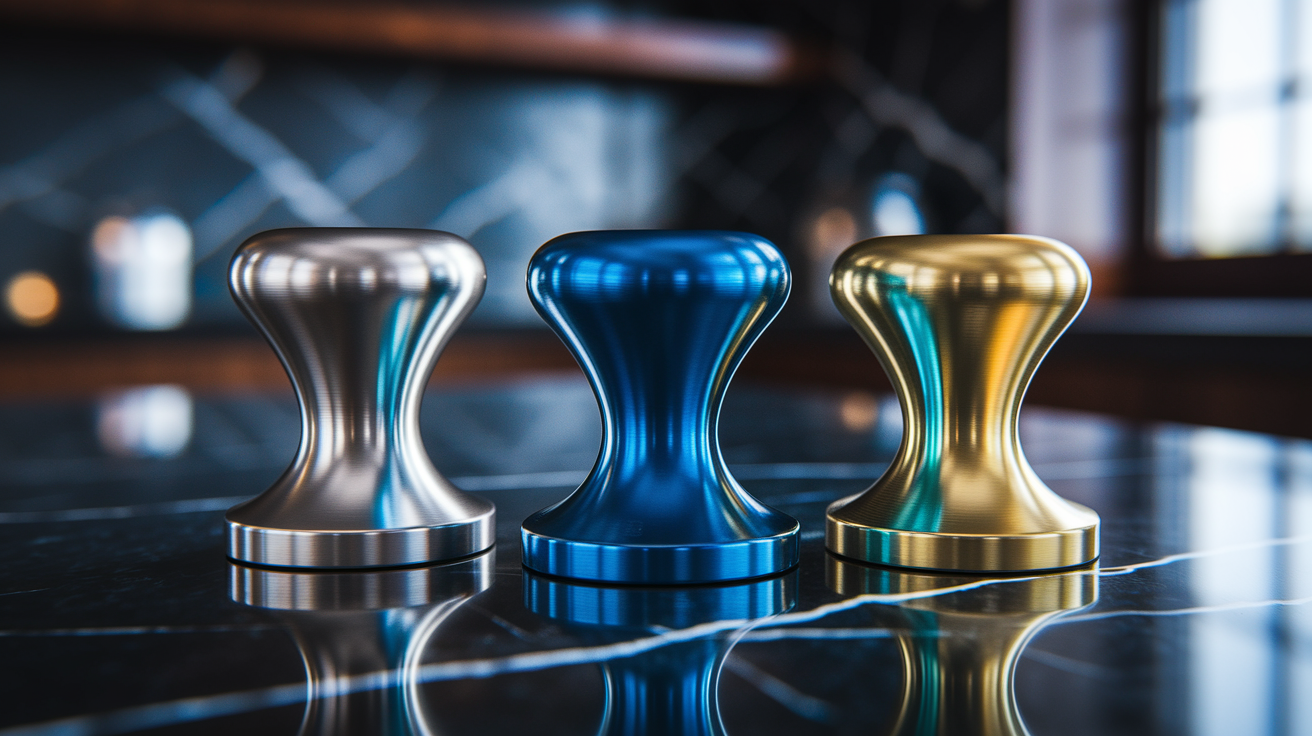
Stainless steel works best for most people pulling espresso at home. It’s durable, it doesn’t need babying, and the weight sits right where you want it—heavy enough to help compress the puck without your arm getting tired, light enough that you stay in control. A 58 mm stainless tamper usually weighs somewhere between 250 and 450 grams, which means you can tamp confidently without fighting the tool or second-guessing whether you pressed hard enough.
Aluminum costs less and weighs a lot less. A 58 mm aluminum base might only be 120 to 260 grams total, so you’ll push harder to get the same compression. That lighter feel helps beginners learn what “enough” pressure actually is, but the material dents easier and can oxidize if it’s not anodized.
Brass is the heaviest option. A solid brass 58 mm tamper can weigh 350 to 650 grams, and that mass does most of the work for you once you set it down and add a little pressure. It holds heat longer too, which keeps your puck temperature steadier shot to shot. But brass tarnishes unless you polish it regularly, and the extra weight gets old fast if you’re pulling a lot of drinks.
Material strengths at a glance:
- Stainless steel — Tough, doesn’t rust, moderate to heavy weight, almost no upkeep, tons of finish choices.
- Aluminum — Lightest, cheapest, easy to move around, comes in bright anodized colors.
- Brass — Heaviest for passive stability, holds heat well, looks premium, needs polishing.
Stainless Steel Tamper Characteristics

Stainless bases are built from alloys that don’t rust or stain even if you’re working in a humid kitchen or you’ve been using the same tamper daily for years. Grades like 304 and 316 resist scratches, so the surface stays smooth and your puck releases cleanly every time. A stainless tamper can easily last a decade without losing performance.
The weight feels predictable. A solid stainless base for a 58 mm portafilter typically runs around 300 to 380 grams, which gives you enough heft to compress the puck with moderate hand pressure while keeping things stable. That balance cuts down on wrist strain compared to lighter materials, and the moderate thermal mass means the base holds a steady temperature when you’re pulling multiple shots without feeling freezing cold or uncomfortably warm.
Maintenance? Wipe it down after each tamp. Rinse under warm water if coffee oils build up. Dry it off. That’s it. Stainless doesn’t need polishing or special cleaners, and it won’t change color over time.
Stainless-specific qualities:
- Resists corrosion without coatings or constant polishing.
- Stays balanced across thousands of tamps without bending or warping.
- Clean surface that doesn’t hold bacteria and rinses easily.
- Keeps its shape and finish under normal daily use.
Aluminum Tamper Characteristics
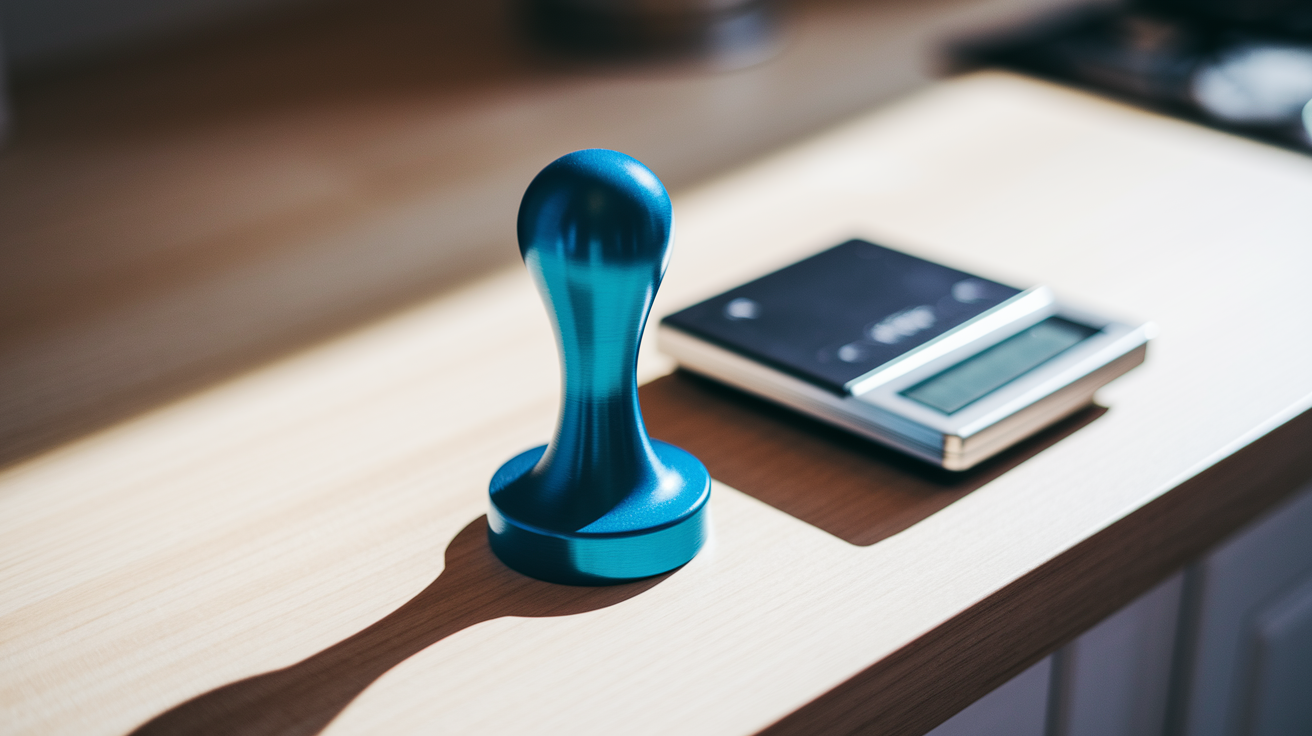
Aluminum weighs way less than stainless or brass. A 58 mm aluminum tamper usually sits around 120 to 260 grams. That makes it easy to pick up, position, and press, which can help when you’re learning tamping technique and want to feel exactly how much pressure you’re applying. The lower mass also means less momentum, so if you accidentally tilt mid-tamp, you’ll notice immediately and can fix it.
The price is the real draw. Budget aluminum tampers start around ten bucks, and even nicer anodized versions rarely top forty dollars. Anodizing hardens the surface and opens up color options—black, blue, red—so you can match your setup or just pick a finish that hides wear better than raw aluminum’s silver-gray look.
When aluminum makes sense:
- You’re new to espresso and want something cheap to practice with while you figure out your technique.
- You only pull one or two shots per day and prefer a lighter tool that won’t add strain during quick morning routines.
- You’re putting together a portable or travel espresso kit and need to keep weight and cost down while maintaining basic function.
Brass Tamper Characteristics
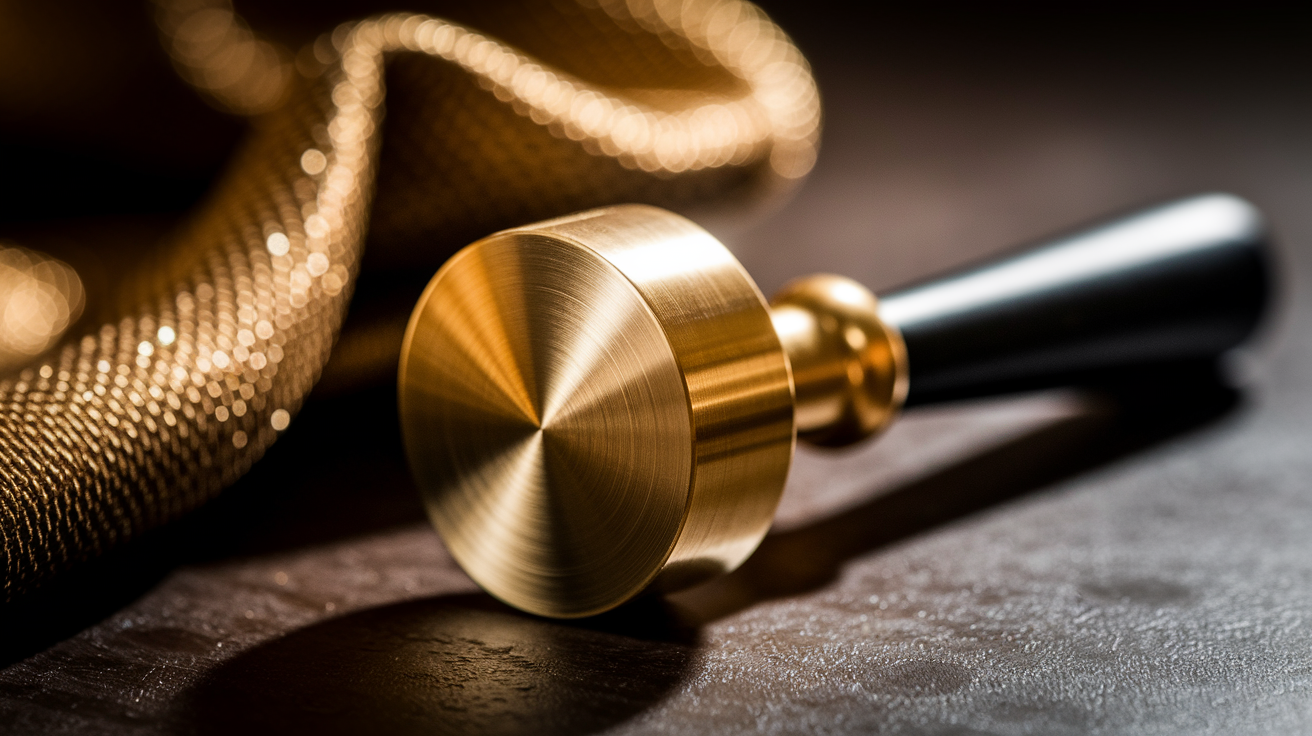
Brass bases feel noticeably heavier in your hand. Many solid brass 58 mm tampers weigh between 400 and 500 grams. That extra mass means you can set the tamper on the puck, add gentle downward pressure, and let gravity do most of the compression. The result is a stable, repeatable tamp that feels almost effortless once your technique is dialed.
The high thermal mass helps stabilize puck temperature across successive shots. Brass holds heat longer than stainless or aluminum, so if you’re pulling multiple drinks back to back, the tamper base warms slightly from contact with the portafilter and transfers that stored warmth to the puck during each tamp. Some people prefer that thermal consistency, especially when ambient temperature swings around.
Brass develops a natural patina over time as the surface oxidizes. Some users like that vintage look. If you want a bright, polished finish, you’ll need to clean and polish the base every few weeks using brass polish or a mild acid solution, then rinse and dry it thoroughly. Without regular care, the surface darkens and can show visible tarnish spots.
Brass maintenance considerations:
- Polish regularly to prevent or remove patina and keep the shine.
- Store somewhere dry to slow oxidation and tarnishing.
- Handle with clean hands or a cloth to minimize fingerprint oils that speed up discoloration.
Material Comparison Overview (Weight, Durability, Maintenance, Cost)
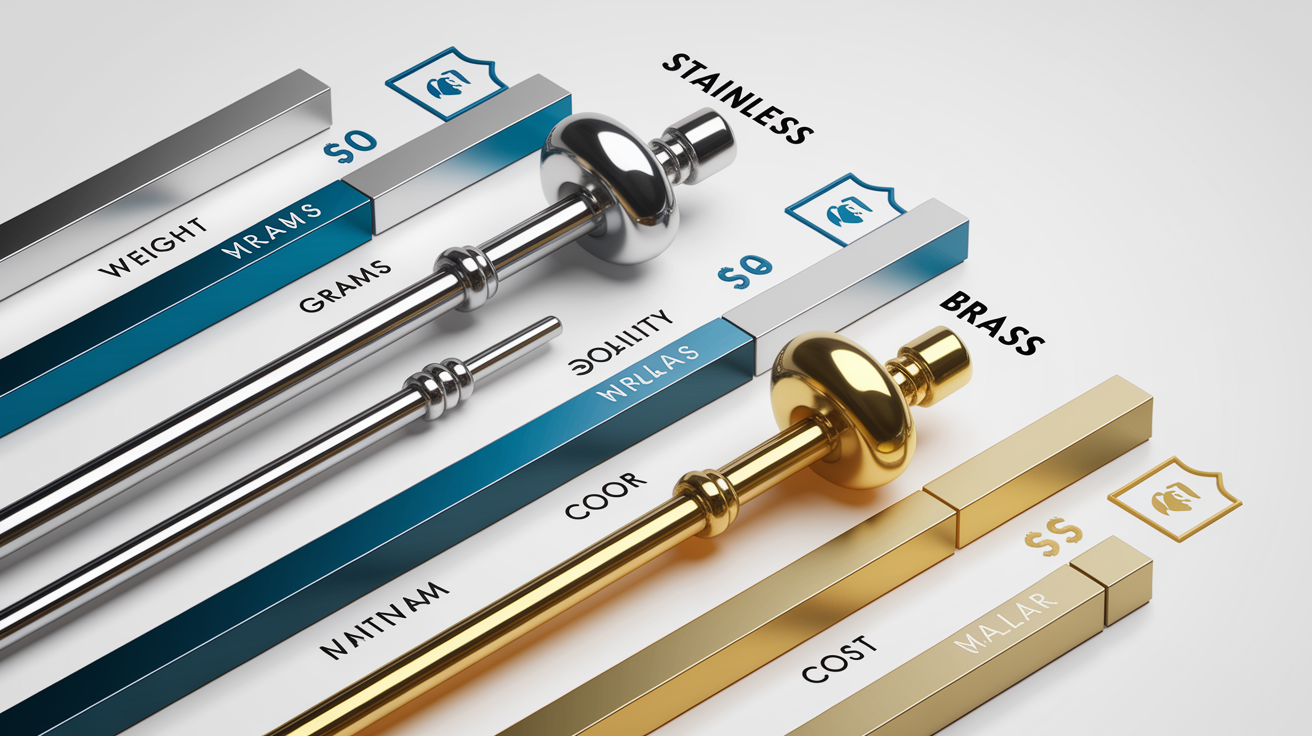
The table below breaks down the core performance and practical factors that separate stainless steel, aluminum, and brass tamper bases for daily espresso use.
| Material | Weight (58 mm base) | Durability | Maintenance Needs | Cost Range |
|---|---|---|---|---|
| Stainless Steel | ~250–450 g | High scratch/corrosion resistance; lasts years | Wipe clean; minimal care | $25–$120 |
| Aluminum | ~120–260 g | Lower hardness; dents/scratches easily unless anodized | Hand wash; avoid abrasives on anodized finish | $10–$40 |
| Brass | ~350–650 g | Structurally solid; surface shows wear/patina | Polish every few weeks to keep shine | $50–$250 |
Stainless steel sits in the middle of the weight range and requires the least ongoing care, which makes it the default pick for most home and commercial setups. Aluminum is the budget option that trades longevity and thermal stability for lower cost and lighter feel. Brass is the premium choice when you want maximum tamping stability and you’re willing to invest time in polishing and care to keep the finish looking good.
Recommendations Based on User Type

Beginners and casual home users should start with a midweight stainless steel tamper or an anodized aluminum model if budget matters. Stainless gives you enough mass to compress the puck consistently without needing perfect hand pressure, and the low-maintenance surface means you can focus on dialing in grind size and distribution instead of worrying about tool care. If you’re pulling one or two shots per day and still learning basic technique, an anodized aluminum tamper around twenty to thirty bucks will get the job done and let you upgrade later once you’ve figured out your workflow.
Home enthusiasts who pull multiple drinks daily and care about ritual and repeatability should pick a stainless steel tamper in the 300 to 400 gram range, or go with solid brass if thermal stability and premium feel matter more than cost. Stainless balances durability, consistent weight, and minimal upkeep, which keeps your workflow smooth when you’re dialing in new beans or testing grinder adjustments. Brass offers a more luxurious tamp experience and better heat retention for back-to-back shots, but the polishing routine adds a small recurring task that some people enjoy and others find unnecessary.
Professional baristas and high-volume café users get the most benefit from heavy stainless steel or solid brass tampers that cut down on wrist fatigue and deliver consistent compression across dozens of tamps per shift. The extra mass means less active force per tamp, which protects your wrist over long workdays, and the thermal stability of brass or heavy stainless helps keep puck temperature consistent even during rush periods when portafilters cycle rapidly. For single-group home setups or mobile carts where durability and low maintenance are priorities, stainless is still the safest all-around pick.
User type summary:
- Beginners — Anodized aluminum or entry-level stainless steel for low cost, light feel, minimal learning curve.
- Home enthusiasts — Midweight stainless steel for balanced durability and performance, or brass if you prioritize thermal mass and premium look.
- Professionals — Heavy stainless steel or solid brass for reduced fatigue, consistent compression, long-term reliability across high-volume shifts.
Final Words
Match your tamper to what you actually do at the machine. We gave a direct answer: stainless steel is the best pick for most because it’s durable and easy to keep consistent.
You saw stainless-steel traits, the lightweight ease of aluminum, and the heavy, stable feel of brass plus its polishing needs.
Use the comparison table and user-type tips to change one variable at a time: weight, maintenance, or cost.
Final check: tamper base material comparison stainless steel vs aluminum vs brass favors stainless for repeatable results and more consistent shots.
FAQ
Q: What is the best material for a Portafilter?
A: The best material for a portafilter is stainless steel because it resists corrosion, holds temperature well, and lasts long, making it ideal for reliable extraction at home or in a cafe.
Q: Are all tampers the same? How to choose an espresso tamper?
A: Tampers are not all the same. To choose one, match the diameter to your basket, pick material for the weight and upkeep you want, choose a comfortable handle, and test one change at a time.
Q: What is steel tamper used for?
A: A steel tamper is used for firm, repeatable tamping; its weight and corrosion resistance provide consistent pressure and easy cleaning for busy home or cafe workflows.