
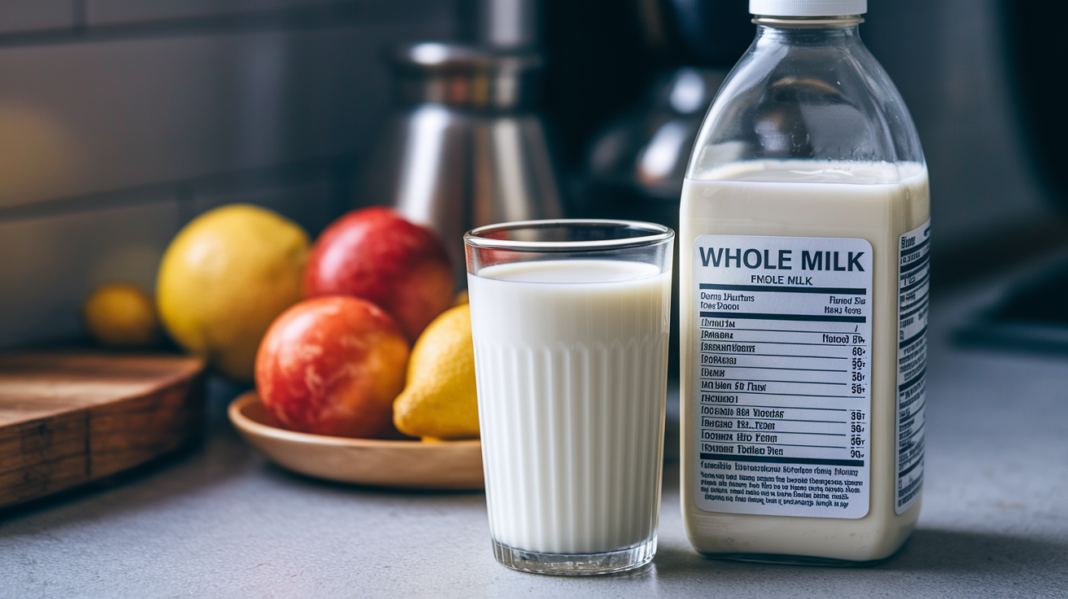

Is whole milk a nutrition hero or a hidden health risk?
One cup has about 149 calories, 8 grams of fat, 8 grams of protein, plus calcium and vitamins, so it is both calorie rich and nutrient dense.
In this post on whole milk nutrition facts and health benefits compared, we break down the fat, protein, vitamins, and what they mean for bones, weight, and heart health.
You’ll get clear numbers, practical trade offs, and a simple way to choose the milk that fits your goals.
Nutritional Overview of Whole Milk and Its Core Components
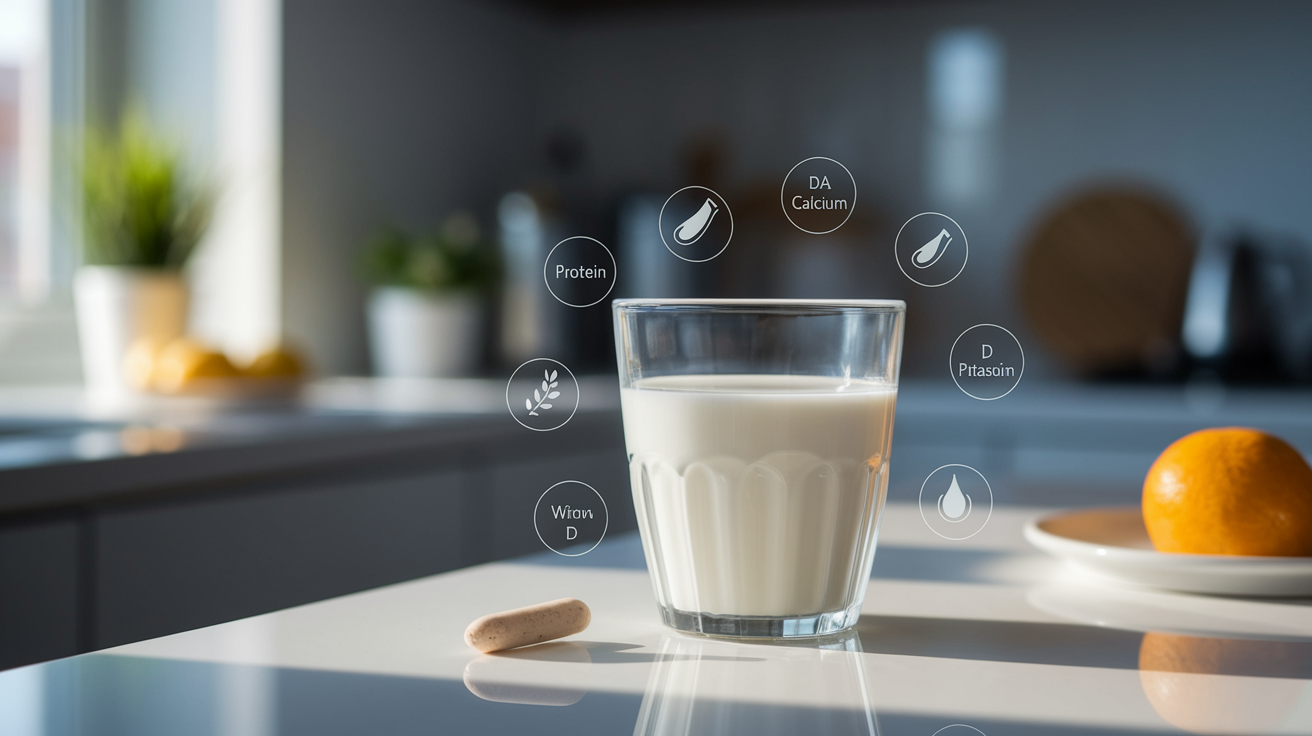
Whole milk clocks in at 3.25 percent milkfat by weight in the U.S. That’s not just tradition—it’s a legal standard, and it shapes everything from the calorie count to how the milk behaves when you heat it. Most of what you buy is homogenized so the cream doesn’t float to the top, and it’s pasteurized using either high-temperature short-time (HTST) or ultra-pasteurization (UHT) methods. Both keep the nutrients intact while pushing out the shelf life and killing off anything that could make you sick.
One cup (240 to 244 mL) of whole cow’s milk gives you a solid mix of macros and micros. You’re looking at roughly 149 calories, 8 grams of fat, 7.7 to 8 grams of protein, and 11.7 to 12 grams of carbs (all lactose). About 4.5 grams of that fat is saturated, and cholesterol sits around 24 milligrams. Same cup also delivers around 276 milligrams of calcium (28 percent of your Daily Value), 322 milligrams of potassium, and often 100 IU of vitamin D if the brand fortifies it.
The micronutrient side matters just as much. Whole milk carries 13 essential nutrients: vitamin A (naturally present or added), B vitamins like riboflavin and B12, phosphorus, magnesium, zinc. Because the fat stays in, fat-soluble vitamins A and D stick around without extra work, though most dairies still add D to meet bone-health recommendations. Quick snapshot per cup:
- Calories: ~149 kcal
- Total fat: ~8 g (saturated fat ~4.5 g)
- Protein: ~7.7–8 g
- Calcium: ~276 mg (~28% DV)
- Vitamin D: typically ~100 IU (fortified, check your label)
Whole Milk Fat Content and Health Considerations
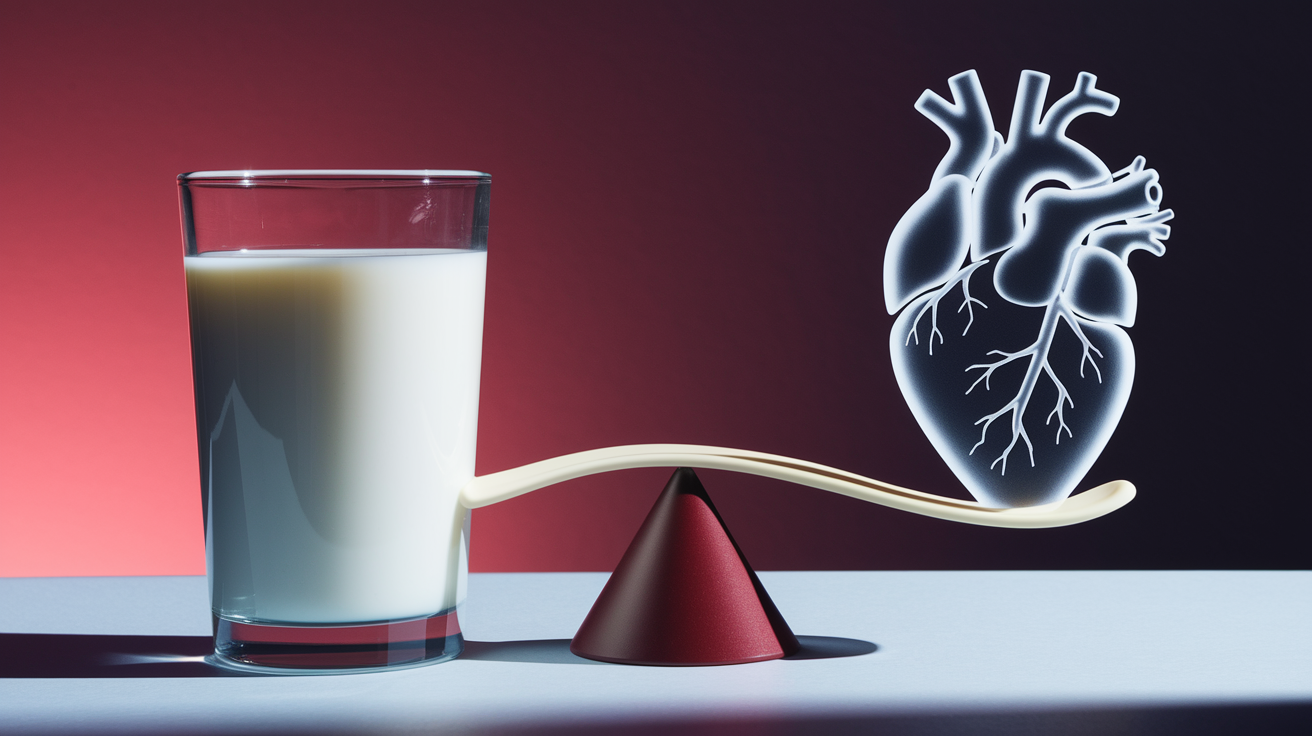
That 4.5 grams of saturated fat in a cup of whole milk makes up more than 60 percent of the total fat. Randomized controlled feeding trials show pretty clearly that swapping saturated fats for unsaturated ones lowers LDL cholesterol, which is a known driver of cardiovascular disease. Big meta-analyses and groups like the American Heart Association suggest capping saturated fat at 10 percent or less of your daily calories to cut down heart attack and stroke risk. On a 2,000-calorie day, 10 percent means about 22 grams, so one cup of whole milk eats up roughly a fifth of that.
Some observational studies report neutral or even favorable links between full-fat dairy and heart disease or mortality. That’s kicked off plenty of debate, but you can’t pin down causation from observational data. Overall diet quality, exercise, and what people swap in when they drop whole milk all muddy the picture. Randomized trials stay the cleanest evidence, and those trials show LDL goes up when saturated fat replaces unsaturated fat in controlled settings.
Beyond the heart stuff, whole milk supports bone health and can help with weight management. The calcium, protein, and fortified vitamin D build bone density in kids, and protein helps you feel full, which can keep you from overeating. If you’re underweight, bouncing back from illness, or dealing with something like cystic fibrosis, the extra calories and fat in whole milk give you an efficient way to meet higher energy needs without piling your plate. It all depends on context. Weigh the nutrient upside against your total saturated fat intake, cardiovascular risk, and overall eating pattern, and check with a clinician if you’re making personalized calls.
Comparing Whole Milk With Skim, 1%, 2%, and Plant-Based Milks
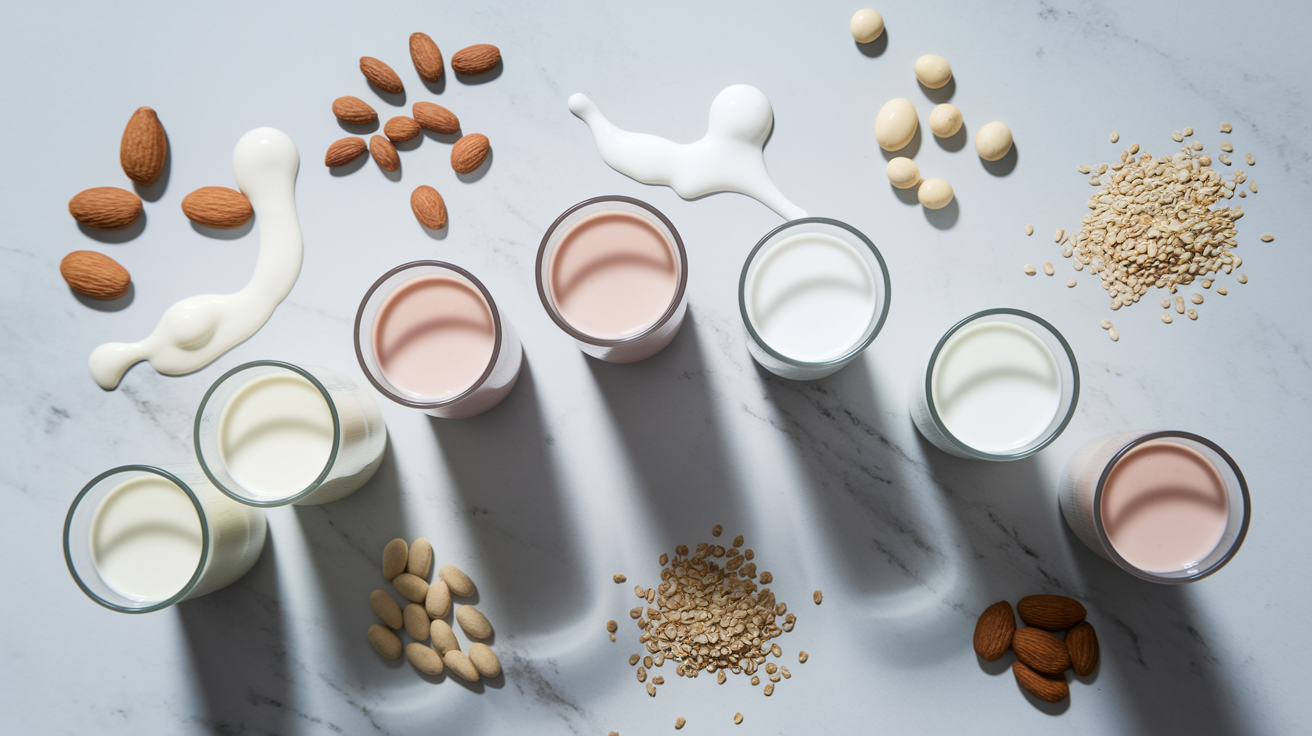
U.S. retail cow’s milk comes in four main fat levels. They all share the same protein and carbs—around 8 grams of protein and 12 grams of carbs per cup—but calories and total fat drop as the milkfat percentage falls. Plant milks vary all over the map in calories and protein, depending on fortification and what ingredient they’re built from.
| Type (per 1 cup / 240 mL) | Calories | Total Fat (g) | Protein (g) | Notes |
|---|---|---|---|---|
| Whole milk (3.25% fat) | ~149 | ~8 (sat ~4.5) | ~8 | Full nutrient profile; highest calorie density |
| 2% milk (reduced-fat) | ~122 | ~5 (sat ~3) | ~8 | Lower saturated fat; fortified vitamin A |
| 1% milk (low-fat) | ~102 | ~2.5 (sat ~1) | ~8 | Fortified vitamin A; low calorie option |
| Skim / fat-free milk | ~83 | 0 | ~8 | Lowest calories; retains all 13 essential nutrients |
| Unsweetened almond milk | ~30–40 | ~2.5–3 | ~1 | Very low protein unless fortified; often calcium-fortified |
| Soy milk (unsweetened) | ~80–100 | ~4–5 | ~7–9 | Closest plant protein match to cow’s milk |
| Oat milk (unsweetened) | ~120 | ~5 | ~2–4 | Higher carbs; moderate protein; often fortified |
Dropping the milkfat cuts both saturated fat and total calories, but it doesn’t touch the 8 grams of complete protein or the 12 grams of lactose. So if you want to trim saturated fat without losing protein, switching to 2%, 1%, or skim gets you the same amino-acid profile. Plant milks need more attention. Unsweetened almond milk barely registers protein unless manufacturers spike it with pea protein or another source. Unsweetened soy milk comes close to cow’s milk on protein and usually gets fortified with calcium and vitamin D. Oat milk sits in the middle on calories but lags on protein compared to soy or cow’s milk.
For cooking, baking, or drinks where richness counts, whole milk or 2% outperforms low-protein plant options. For weight management or cardiovascular targets, skim or fortified soy milk might fit better. It comes down to your nutrient priorities, taste preference, and how the milk fits into your total daily intake.
Whole Milk Processing: Pasteurization, Homogenization, and Safety

Nearly every carton of whole milk you grab in the U.S. has been pasteurized and homogenized before it hits the shelf. Pasteurization heats the milk to kill off harmful bacteria like Salmonella, E. coli, and Listeria, making it safe to drink. High-temperature short-time (HTST) pasteurization is the standard method. Milk gets heated to at least 161°F (72°C) for 15 seconds, then cooled fast. Ultra-high temperature (UHT) pasteurization cranks the heat to around 280°F (138°C) for just a few seconds, which lets shelf-stable cartons sit unopened at room temperature for months. Once you crack open a UHT carton, it needs the fridge and spoils on the same timeline as HTST milk.
Homogenization is a separate mechanical step that breaks down fat globules into tiny, evenly spread particles. Without it, cream rises to the top and you get a fat layer sitting above the skim portion. Homogenization gives whole milk its uniform, smooth texture and keeps everything mixed. It doesn’t change the nutrient content or safety, just the physical structure of the fat.
Raw milk (unpasteurized) is available in some states under specific rules, but federal law blocks interstate sale and distribution of raw milk for human consumption. The FDA, CDC, and USDA all warn that raw milk carries way higher risk of foodborne illness, especially for pregnant people, young kids, older adults, and anyone with a weakened immune system. Pasteurized milk wipes out these pathogen risks without compromising the 13 essential nutrients or the protein quality. Common pasteurization methods:
- HTST (high-temperature short-time): 161°F for 15 seconds; refrigerated shelf life 1 to 2 weeks unopened
- UHT refrigerated: ~280°F for 2 to 5 seconds; 30 to 90 days unopened in the fridge
- UHT shelf-stable: same temperature; several months unopened at room temperature
- Raw milk: no heat treatment; higher pathogen risk; restricted by federal law for interstate sale
Shelf Life and Proper Storage Guidelines for Whole Milk

Whole milk needs to stay at or below 40°F (4°C) to slow bacterial growth and prevent spoilage. Standard HTST pasteurized milk typically lasts one to two weeks from the processing date when unopened. You’ll see a “sell-by” or “use-by” date printed on the carton that reflects this window. Once you open the carton, aim to finish it within five to seven days, even if the printed date is further out. UHT refrigerated cartons can sit unopened in the fridge for 30 to 90 days depending on the brand and processing specifics, but once opened they follow the same five to seven day guideline. Shelf-stable UHT cartons stay safe for months when stored at room temperature before opening, but you need to refrigerate them right after opening and use within seven to ten days.
Freezing whole milk works and stretches storage to one to three months, but the texture separates when you thaw it. The fat and water phases split, leaving a grainy or watery look that doesn’t pour smoothly into a glass. Thawed milk works fine in baking, soups, or sauces where the texture gets blended or cooked, but it’s not great for drinking or pouring over cereal. To freeze, leave at least an inch of headspace in the container because milk expands as it freezes. Thaw in the refrigerator, not at room temperature, and shake well before using.
Spoilage is easy to spot if you know what to check. Six clear signs that whole milk has gone bad:
- Sour or off odor when you open the carton
- Visible curdling or lumps in the liquid
- Discoloration or yellowing beyond normal cream tones
- Bloated or swollen carton, which suggests gas from bacterial activity
- Unpleasant taste, even if the smell isn’t obviously sour
- Expiration or use-by date has passed and the milk was opened more than a week ago
Whole Milk for Different Age Groups and Dietary Needs

Infants under 12 months shouldn’t get cow’s milk of any fat percentage. Their kidneys can’t handle the mineral load, and whole milk lacks the iron and other nutrients that breastmilk or iron-fortified formula provide. Between 12 and 24 months, whole milk is the standard recommendation because toddlers need the extra calories and fat for rapid brain development and growth. After 24 months, the Academy of Nutrition and Dietetics and pediatric guidelines generally suggest switching to low-fat (1%) or nonfat milk to cut saturated fat while still delivering the same protein, calcium, and vitamin D.
Adults can choose based on total diet and health targets. If you’re managing cardiovascular risk or watching saturated fat, skim or 1% milk fits most clinical guidance to keep saturated fat below 10 percent of daily calories. If you’re underweight, recovering from surgery, or living with cystic fibrosis or another condition that bumps up calorie needs, whole milk offers a nutrient-dense, calorie-efficient option without needing large portions. Lactose-free whole milk is real cow’s milk with the lactose enzyme (lactase) added to break down the milk sugar, making it digestible for people with lactose intolerance. The macronutrient and micronutrient profile stays identical to standard whole milk.
A2 whole milk comes from cows that naturally produce only the A2 variant of beta-casein protein, rather than the more common A1 type. Some people who get digestive discomfort from regular milk report better tolerance with A2 milk, though large-scale clinical evidence is still coming together. What Is Whole Milk? (A2 Milk USA) provides additional detail on the protein difference and potential digestive benefits. Age-group summary:
- 0 to 12 months: breastmilk or iron-fortified formula only; no cow’s milk
- 12 to 24 months: whole milk (3.25% fat) or fortified full-fat alternatives
- 24 months and older: low-fat or nonfat milk recommended for most children and adults
- Special populations (underweight, high calorie needs, cystic fibrosis): whole milk may be clinically appropriate at any age
Practical Buying Tips, Label Reading, and Price Ranges for Whole Milk

The term “whole milk” is a legal definition. Any carton labeled that way must contain roughly 3.25 percent milkfat by weight. Beyond that baseline, labels carry extra cues that affect shelf life, nutrient availability, taste, and price. Look for pasteurization type: HTST-pasteurized milk has a shorter unopened shelf life (one to two weeks) but a fresher taste, while UHT cartons last 30 to 90 days refrigerated or several months on the shelf before opening. Organic certification means the cows were fed organic feed and managed under USDA organic standards, but both organic and conventional milk are safe and nutritious when produced under U.S. regulations. Lactose-free labels tell you the milk has been treated with lactase enzyme, and A2 labels mean the milk contains only A2 beta-casein protein.
Price varies by processing, certification, and brand. Conventional whole milk typically runs $2.50 to $4.00 per gallon, depending on your region and retailer. Organic whole milk usually costs $4.00 to $8.00 per gallon. Specialty options like lactose-free, A2, grass-fed, or filtered high-protein brands often land in the $3.00 to $6.00 range per half-gallon, sometimes higher. Half-gallon cartons of conventional milk generally cost $1.80 to $3.50. Some dairies use cap colors to signal fat percentage at a glance, but the color codes aren’t standardized across all brands, so always check the printed label to confirm you’re buying whole (3.25%) milk.
| Label Term | Meaning | When to Choose It |
|---|---|---|
| Whole / 3.25% milkfat | Standardized full-fat milk | For richer taste, baking, higher calorie needs |
| Organic | USDA-certified organic feed and farm practices | If you prefer organic standards and can afford the premium |
| Lactose-free | Lactose broken down with lactase enzyme | If you have lactose intolerance |
| UHT / Ultra-pasteurized | Heated to ~280°F for extended shelf life | For longer storage, less frequent shopping |
| A2 | Milk from cows producing only A2 beta-casein | If regular milk causes digestive discomfort |
Cooking and Baking Uses for Whole Milk

Whole milk enriches baked goods, custards, sauces, soups, pancakes, and ice cream bases because its fat content delivers a tender crumb, smooth mouthfeel, and richer flavor than lower-fat versions. In yeast breads, the fat coats gluten strands and softens the texture. In cakes and muffins, it adds moisture and helps suspend air bubbles for a lighter structure. Custards and puddings rely on the fat to carry flavor and create a creamy, stable gel when eggs are heated. Béchamel and other milk-based sauces gain body and silkiness from whole milk’s fat, and soups like cream of mushroom or chowder benefit from the same richness without needing added cream.
Scalding milk means heating it to around 180°F (82°C), just below boiling, which denatures certain proteins and can improve texture in custards, bread doughs, and some traditional recipes. Modern pasteurized milk doesn’t require scalding for safety, but some bakers and pastry chefs still scald to dissolve sugar more efficiently or to warm the milk before adding it to yeast. To scald, heat the milk in a heavy-bottomed saucepan over medium heat, stirring occasionally, until small bubbles form around the edge and steam rises. Pull it from heat right away to avoid scorching.
Key Culinary Applications
- Baking (cakes, muffins, quick breads): whole milk adds moisture, fat, and a tender crumb
- Custards and puddings: creates smooth texture and carries vanilla or chocolate flavor
- Béchamel and cream sauces: builds body without needing heavy cream
- Ice cream base: provides fat for creamy mouthfeel, though recipes often combine it with cream for higher fat
- Pancakes and waffles: delivers richness and browning through milk sugars (Maillard reaction)
- Scrambled eggs and omelets: a splash adds creaminess and slows coagulation for softer curds
When a recipe calls for heavy cream and you only have whole milk, you can approximate the fat content by mixing three-quarters cup whole milk with one-quarter cup melted butter. This substitute works for most sauces and soups, but it won’t whip into peaks like real cream because the protein structure is different. For high-fat desserts like ganache or ice cream, whole milk alone won’t deliver the same richness, and you’ll need to add cream or adjust the recipe. In savory cooking, whole milk can replace 2%, 1%, or skim milk in nearly any application where you want fuller flavor and slightly thicker consistency. The extra fat also helps emulsify sauces and prevents curdling when you add acidic ingredients like tomatoes or wine.
Whole Milk in Coffee, Smoothies, and Everyday Use

Whole milk froths easily because it contains a balanced ratio of fat and protein. The protein stabilizes the foam bubbles, and the fat gives the microfoam a creamy, velvety texture that holds its shape in lattes, cappuccinos, and flat whites. Baristas often prefer whole milk for latte art because the foam is denser and more forgiving than skim or low-fat versions, which produce larger, less stable bubbles. When you steam whole milk to around 150 to 155°F (65 to 68°C), the fat melts and coats your palate, making the espresso taste smoother and slightly sweeter without added sugar.
Smoothies benefit from whole milk’s calorie density and rich mouthfeel. If you’re blending fruit, greens, protein powder, or nut butter, the 8 grams of protein and 149 calories per cup add body and satiety without needing yogurt or extra fats. The lactose contributes a subtle sweetness that balances tart fruits like berries or citrus, and the fat helps your body absorb fat-soluble vitamins A, D, E, and K from ingredients like spinach or kale. For cold cereal, whole milk adds a creamy coating that clings to flakes or granola, and the flavor profile is noticeably richer than skim or 1% milk.
Advantages of whole milk in daily beverages and foods:
- Froths into dense, stable microfoam ideal for espresso drinks and latte art
- Adds creamy texture and 149 calories per cup to smoothies without extra sweeteners
- Coats cereal with a richer mouthfeel and subtle sweetness from milkfat
- Delivers 8 grams of protein per cup, supporting satiety and muscle maintenance in breakfast or post-workout drinks
Final Words
Pouring whole milk into your morning cup, you’ve got the essentials: calories, about 8 g fat per cup, protein, calcium, vitamin D, and why pasteurization and homogenization matter.
You also learned the trade-offs: 4.5 g saturated fat per cup, bone and satiety benefits, how whole milk stacks up against skim, 1%, 2%, and plant milks, and who it’s best for by age.
Now check labels, keep milk at ≤40°F, and use it in coffee, baking, or smoothies. Whole milk keeps things richer—and simple.
FAQ
Q: What is the whole milk? Is 2% milk considered whole milk?
A: Whole milk is cow’s milk with about 3.25% milkfat and roughly 149 calories per cup; 2% milk is reduced-fat, not whole milk, with about 122 calories and 2% fat.
Q: What is the best milk for osteoporosis?
A: The best milk for osteoporosis is milk fortified with calcium and vitamin D—regular or fortified plant milks. Pick higher-calcium options, check the label for vitamin D, and consult your clinician for personalized needs.
Q: Is milk good for gaining muscle?
A: Milk is good for gaining muscle by providing complete protein (about 8 grams per cup), carbs, and calories; whole milk adds extra energy for mass gains. Pair with resistance training and meet daily protein targets.