

Think aftermarket gaskets always save money? Not so.
An OEM seal usually keeps your warranty, fits exactly, and lasts longer in most home and commercial machines.
Aftermarket parts can cut cost, offer different materials, and rescue vintage machines with no OEM supply.
In this post I’ll compare fit, lifespan, materials, and real costs so you can pick the right seal for your machine.
Read on to learn the one change that will stop most leaks and bad shots.
Quick Verdict and Summary of OEM vs Aftermarket Espresso Gaskets
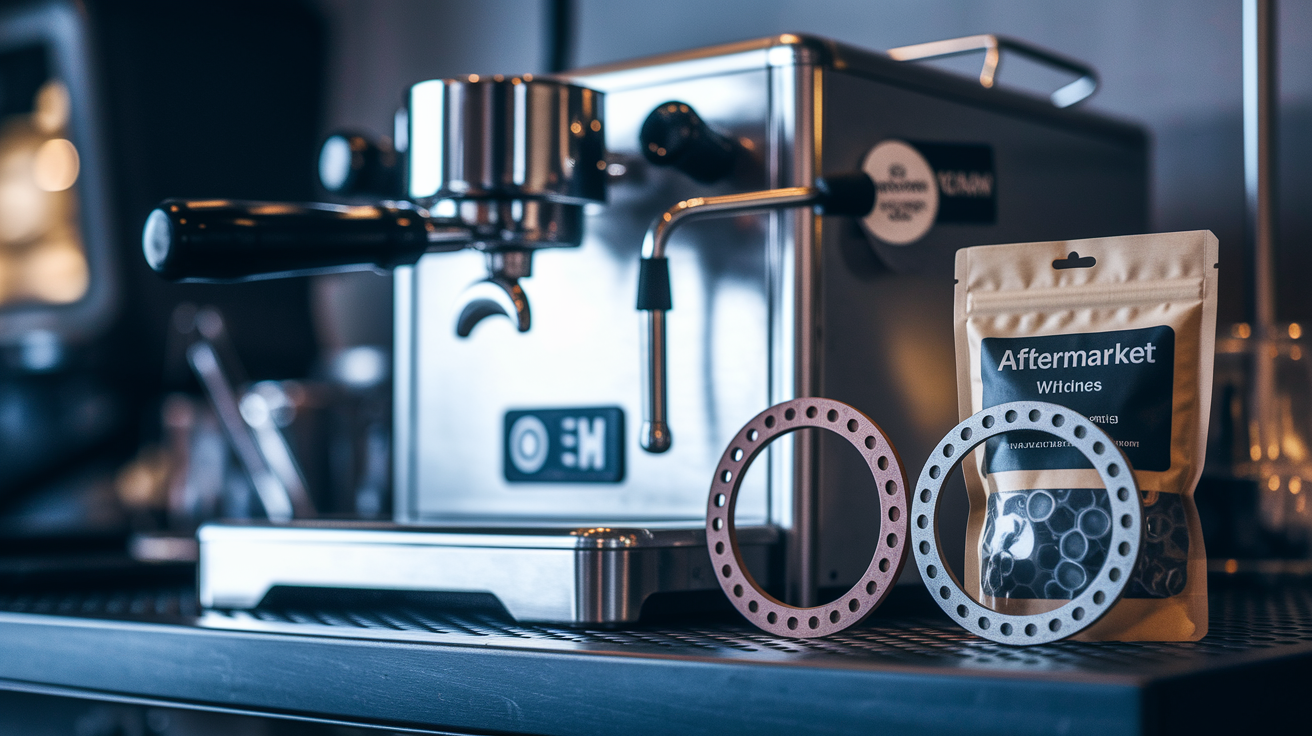
If your machine’s still under warranty, stick with OEM gaskets. The fit’s guaranteed, your coverage stays intact, and you’re looking at 6 to 18 months between swaps for home use. Commercial setups and prosumer machines pulling heavy volume do best with OEM or vetted industrial aftermarket gaskets, especially Viton. These environments mean constant backflushing, heat cycling that never stops, and replacement windows as tight as 1 to 6 months. Aftermarket makes sense when you’re dealing with a vintage machine where OEM parts don’t exist anymore, when you’re buying multi-packs to cut costs, or when you need a material the original manufacturer never offered.
OEM gaskets run about $5 to $20 for home group-head seals and $20 to $60 for commercial applications. Aftermarket equivalents cost $2 to $10 and $10 to $30. That price gap shrinks fast once you account for warranty protection, dimensional precision, and the time you’ll burn troubleshooting a bad seal that leaks or drops pressure by half a bar.
Quick comparison:
- Dimensional match: OEM delivers exact ID, OD, thickness, and profile. Aftermarket varies depending on who made it
- Warranty: OEM keeps you covered. Aftermarket might kill it
- Material choice: OEM gives you what the manufacturer picked. Aftermarket opens up silicone, NBR, EPDM, and high-temp Viton
- Availability: OEM depends on production status and dealer stock. Aftermarket ships faster and covers discontinued models
- Lifespan: OEM typically outlasts budget aftermarket by 30 to 100%. Premium aftermarket can match or beat OEM
- Cost per replacement: aftermarket’s 30 to 80% cheaper upfront. OEM spreads the cost over longer intervals
- Quality control: OEM’s vetted by the manufacturer. Aftermarket ranges from identical to dangerously undersized
- Risk: OEM is low-risk. Aftermarket requires you to verify tolerances and material specs before installing
Material Quality and Property Differences in Espresso Gaskets
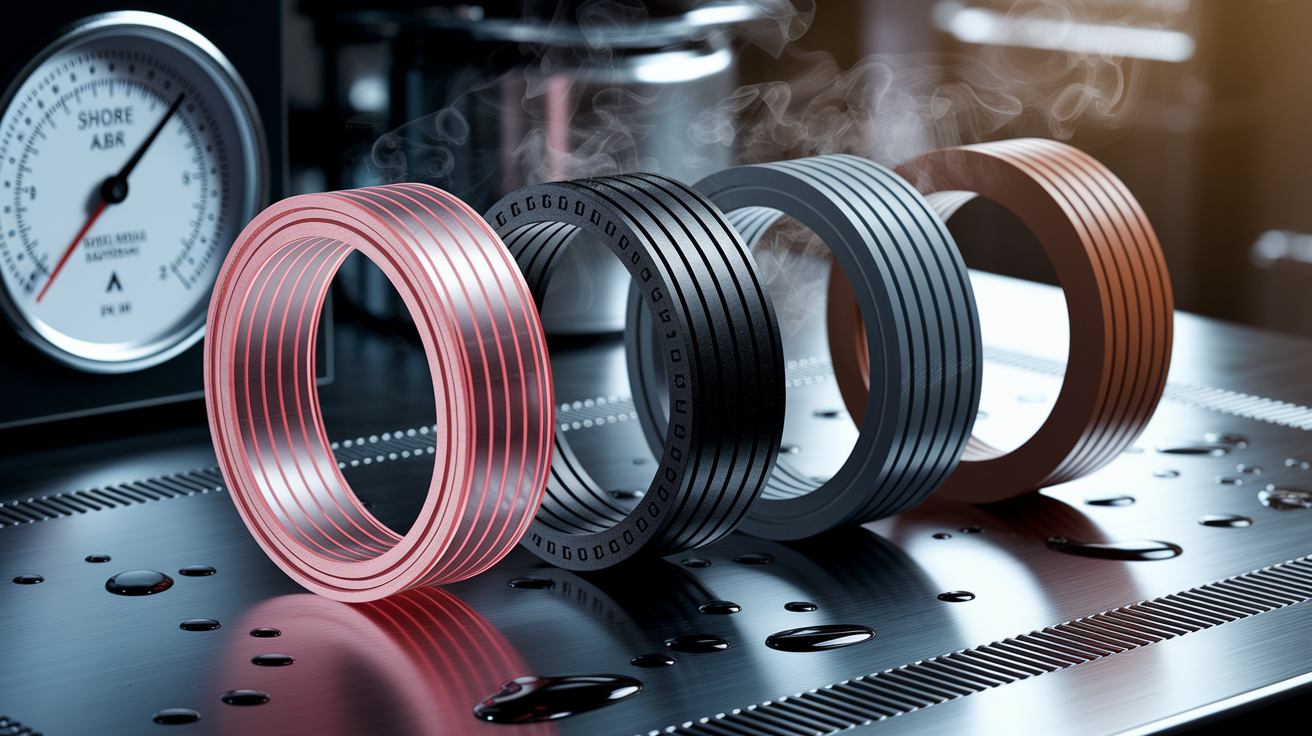
Group-head gaskets come in four main compounds: food-grade silicone, NBR (nitrile), EPDM, and Viton (FKM). Silicone stays soft under heat stress, resists picking up flavors, and never fossilizes the way older rubber does. That makes removal and replacement easier and saves your wrist when locking the portafilter. NBR offers better oil and acid resistance at a lower cost, which is why commercial environments love it. Espresso oils and caustic backflush detergents cycle hundreds of times daily in those setups. Viton handles the highest temperatures and the harshest chemical exposure, making it the best pick for modded machines or setups pushing steam pressure beyond manufacturer specs.
Durometer (hardness measured in Shore A) typically ranges from 60 to 80 for espresso gaskets. A softer gasket at 60 to 65 Shore A compresses more easily and forgives small surface imperfections on the group head. But it can extrude under heavy use or over-tightening. A harder gasket at 70 to 80 Shore A resists extrusion and holds shape over thousands of cycles, but it needs a cleaner mating surface and won’t seal well if the portafilter basket rim has dents or dings.
Material differences that affect performance:
- Silicone: stays flexible across wide temperature swings, doesn’t absorb oils or odors, color options (red, yellow, green, orange) make inspection easier, easier to remove even when old, never use sharp tools for removal because soft material tears easily
- NBR (nitrile): synthetic rubber with excellent resistance to oils and acids, black color standard, widely used in automotive and aerospace, reliable and low-cost option for repeated high-volume use
- EPDM: strong steam resistance, good for machines with frequent steam-wand cycles, slightly harder than silicone but softer than most NBR compounds
- Viton (FKM): highest heat and chemical tolerance, resists degradation from caustic cleaners and prolonged high-temp exposure, premium-priced but longest-lasting in extreme conditions
- Compression set: silicone and Viton recover shape better after compression cycling. NBR and EPDM lose flexibility faster under repeated heat and chemical exposure
- Flavor neutrality: silicone and Viton least likely to transfer taste. NBR can carry slight rubber smell when new. EPDM neutral after initial break-in
Fit, Compatibility, and Tolerance Differences Between OEM and Aftermarket Espresso Gaskets
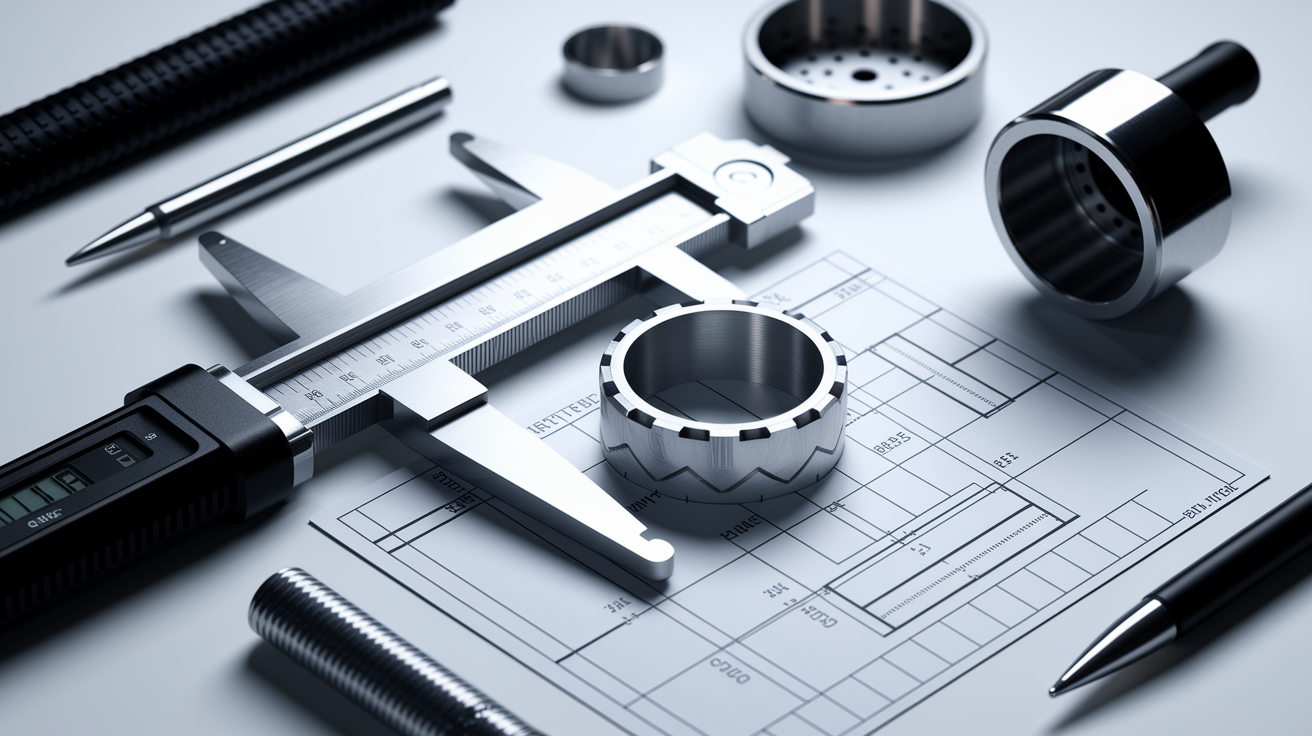
OEM gaskets are manufactured to exact inner diameter, outer diameter, cross-sectional thickness, and profile geometry (flat, stepped, or conical). They seat correctly against the group-head flange and portafilter lugs without leaking or allowing pressure bypass. Aftermarket gaskets range from dimensionally identical reproductions made by reputable suppliers to generic “close enough” seals sold in bulk online that can be undersized, oversized, or the wrong profile entirely. A gasket that’s 0.5 mm too thin or 1 mm too wide in outer diameter will either fail to seal or prevent the portafilter from locking into the group head. You’ll see visible spritzing, pressure loss of 0.5 to 1.0 bar, uneven flow through the puck, and weak or missing crema.
Brand-specific examples show why dimensional precision matters. The RED SEAL (72 mm OD × 55 mm ID × 6.35 mm thick, silicone) fits La Marzocco, Synesso, Slayer, and MAVAM machines. Using a generic 72 × 55 × 8 mm gasket instead will compress the portafilter basket too far into the dispersion screen, altering headspace and pre-infusion behavior. The YELLOW SEAL (73 × 57 × 8.5 mm, silicone) is designed for all E61 brew groups and Synesso models, while the GREEN SEAL (74 × 57.5 × 8.5 mm, silicone) is Rancilio-specific. Swapping them causes either a loose fit or over-compression. For Simonelli, Cimbali, and Victoria Arduino machines, the BLUE SEAL uses a conical profile (height 9 mm) that won’t interchange with flat-profile gaskets even if the OD and ID match.
| Source Type | Dimensional Precision | Typical Issues |
|---|---|---|
| OEM | ±0.1 mm tolerance on ID, OD, thickness; profile guaranteed | None if part number matches machine model |
| Quality Aftermarket | ±0.2 to 0.5 mm; reputable suppliers measure and publish specs | Occasional need for trial fit; rare leaks if spec drifts |
| Generic/Budget Aftermarket | ±1.0 mm or unstated; sold by approximate size only | Leaks, portafilter won’t lock, pressure bypass, channeling |
Measuring your existing gasket with calipers (inner diameter, outer diameter, and cross-sectional thickness) and cross-referencing the machine’s part number before ordering eliminates most fit problems. If the old gasket is stuck or fossilized, measure the group-head flange diameter and the portafilter basket outer rim, then confirm the profile type (flat, stepped, conical) by inspecting the dispersion screen recess.
Lifespan and Durability Comparison of OEM vs Aftermarket Espresso Gaskets
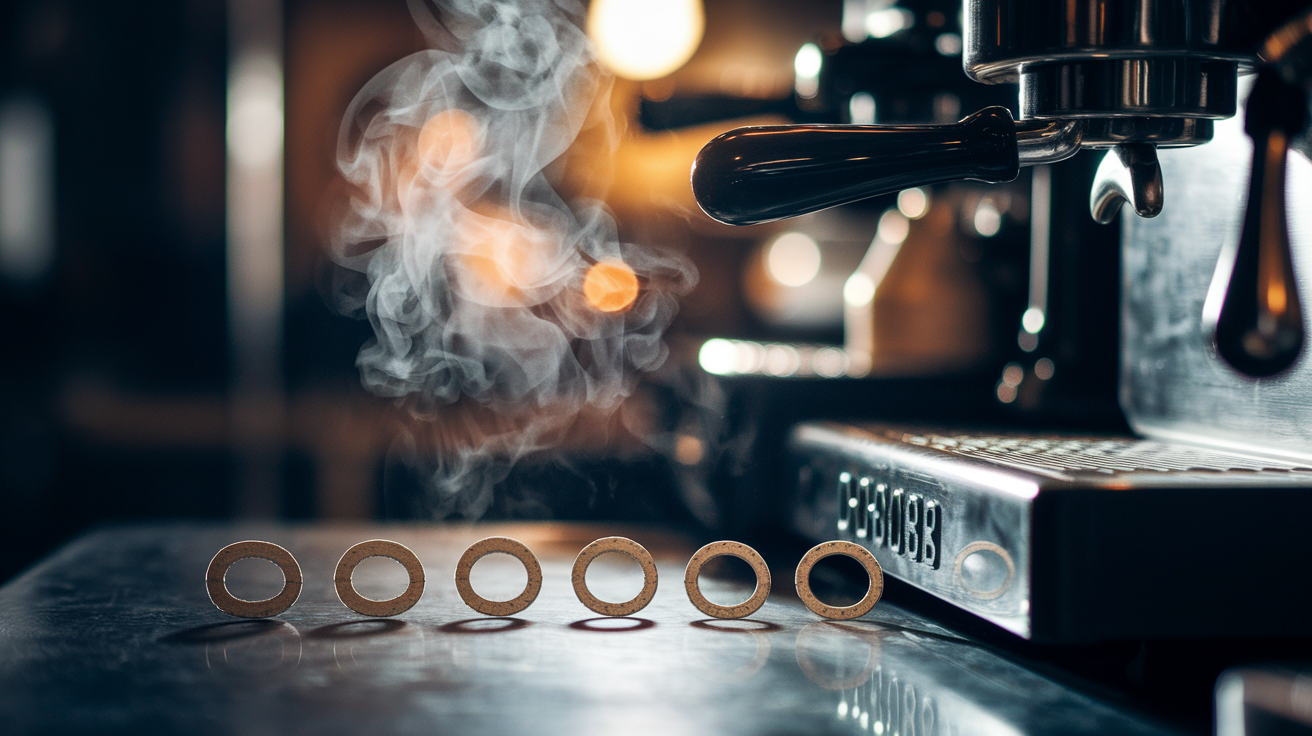
OEM gaskets in home machines pulling 1 to 2 double shots daily typically last 6 to 18 months before hardening, losing compression, or developing micro-leaks. Aftermarket gaskets in the same environment range from 3 to 12 months depending on material quality and durometer consistency. Budget silicone can harden in six months, while premium Viton aftermarket can outlast OEM by matching or exceeding the upper end of that range. Commercial machines running hundreds of cycles daily shorten every gasket’s life: OEM replacements are usually needed every 1 to 6 months, and lower-spec aftermarket seals wear out in 2 to 4 months unless you step up to high-grade Viton or harder NBR compounds designed for industrial cycling.
Environmental exposure accelerates wear faster than shot count alone. Frequent backflushing with caustic detergents attacks silicone and EPDM more aggressively than Viton or NBR. High steam-wand use and prolonged heat cycling cause compression set (permanent flattening) in softer materials. Poor water chemistry (high chlorine or mineral content) degrades seals from the inside out. A gasket that would last 12 months in a clean, low-temp environment can fail in 4 months if exposed to daily caustic backflush, continuous steam pressure, and hard water.
Factors that shorten or extend gasket lifespan:
- High-frequency backflushing with caustic cleaners: accelerates surface degradation and swelling. Rinse thoroughly after every backflush cycle
- Steam exposure and prolonged heat cycling: causes compression set in softer materials. Viton and harder NBR resist better
- Improper installation torque: over-tightening extrudes soft gaskets. Under-tightening allows micro-leaks that abrade the seal surface
- Water chemistry: chlorine, high mineral content, and scale buildup attack gasket surfaces. Filtered water extends life
- Material choice: Viton and premium NBR last 50 to 100% longer than budget silicone or generic EPDM in high-stress environments. Always verify Shore A hardness and material spec
Cost Comparison of OEM vs Aftermarket Espresso Gaskets
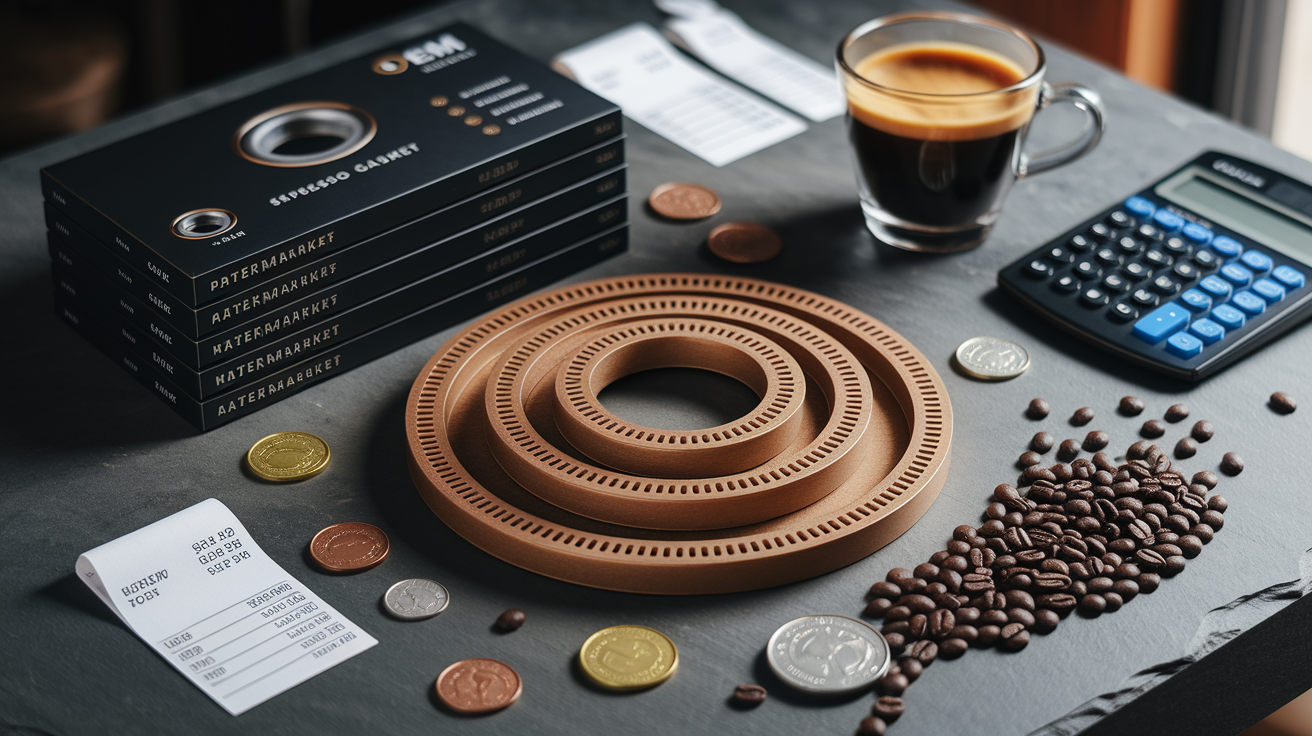
OEM group-head gaskets for home machines cost roughly $5 to $20 per piece, while commercial-grade OEM seals run $20 to $60 each depending on machine brand and material specification. Aftermarket equivalents are priced at $2 to $10 for home gaskets and $10 to $30 for commercial applications, with multi-pack sets (3, 5, or 10 pieces) driving the per-gasket cost down to $1.50 to $5 when bought in bulk. Full service kits bundling gaskets, o-rings, and blind-filter seals range from $15 to $120 depending on whether they’re OEM or aftermarket and how many machines the kit covers.
The upfront savings look compelling, but total cost of ownership depends on replacement frequency and downtime. An OEM gasket that lasts 12 months at $15 costs $1.25/month. A $5 aftermarket gasket replaced every 4 months costs $1.25/month as well, but adds two extra service interruptions and the risk of a poor-fit gasket causing leaks, pressure loss, or extraction problems that waste coffee and time troubleshooting.
Cost considerations:
- Multi-pack aftermarket savings: buying 5-packs reduces per-gasket cost by 40 to 70% vs single OEM purchases
- Custom or specialty aftermarket: small-batch Viton or high-durometer seals for modded machines can cost $20 to $40 each, matching or exceeding OEM prices
- Hidden costs of poor fit: a leaking gasket wastes coffee, creates downtime, and risks damaging the portafilter basket or group-head threads
- Warranty and service contract requirements: using aftermarket parts may void coverage, forcing out-of-pocket repair costs that dwarf gasket savings
Performance Impact on Extraction, Pressure Stability, and Crema
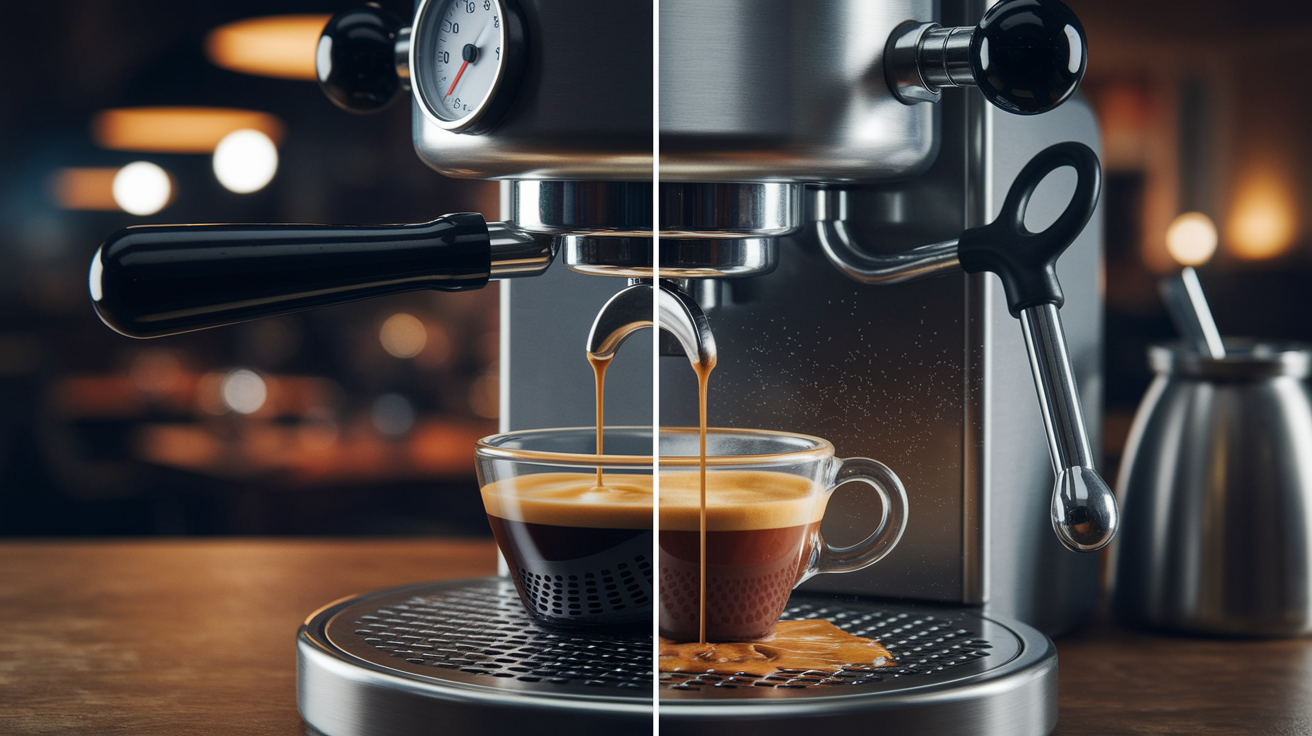
A properly sealed group-head gasket maintains 9 bar pump pressure throughout the extraction window, ensuring even flow through the coffee puck, stable pre-infusion, and thick, persistent crema. A poor seal (whether from incorrect gasket size, hardened material, or mismatched durometer) drops effective pressure by 0.5 to 1.0 bar, introduces channeling as water finds the path of least resistance around the gasket edge, and destabilizes brew temperature because steam and pressure escape instead of transferring energy into the puck. The visible result is a thin, fast stream with little resistance, a soupy or muddy-looking puck after extraction, and crema that dissipates in seconds.
Hardness mismatch between gasket and portafilter also changes how the puck compresses during locking. An overly soft gasket (below 60 Shore A) allows the portafilter to seat too deeply, reducing the gap between basket and dispersion screen and altering pre-infusion behavior. Water floods the puck surface unevenly, creating a wet top and underextracted center. An overly hard gasket (above 75 Shore A) won’t conform to minor surface irregularities on the group-head flange or portafilter lugs, leaving micro-gaps that spritz and leak even when the portafilter feels tight. Both scenarios produce sour, underextracted espresso or bitter, overextracted shots depending on where the channeling occurs.
Material temperature resistance affects long-term sealing and flavor. Silicone and Viton remain chemically inert across the full espresso temperature range (85 to 95°C brew water, 120 to 150°C steam exposure), preventing compound migration into the coffee. Lower-spec NBR and generic EPDM can release faint rubber or petroleum odors when new, which dissipate after a few dozen shots but can taint flavor during the break-in period. Caustic backflush detergents attack the seal surface, creating micro-pitting that traps coffee oils and old grounds. A degraded gasket surface becomes a bacterial reservoir and a source of off-flavors even when the seal still holds pressure.
Performance consequences of a bad or mismatched gasket:
- Pressure loss of 0.5 to 1.0 bar: visible as fast, thin stream and weak resistance during extraction. Puck stays loose or develops large craters
- Channeling and uneven flow: water bypasses the puck perimeter, leaving dry edges and soupy center. Crema thin or absent
- Temperature instability: steam and heat escape through leaks instead of stabilizing brew temperature. Shot-to-shot variation increases
- Wet or soupy puck after extraction: over-compression from wrong gasket thickness floods puck. Under-compression leaves it loose
- Flavor contamination and off-tastes: degraded material releases odors. Old coffee oils trapped in pitted surface taint subsequent shots
Warranty, Risk, and Reliability Considerations
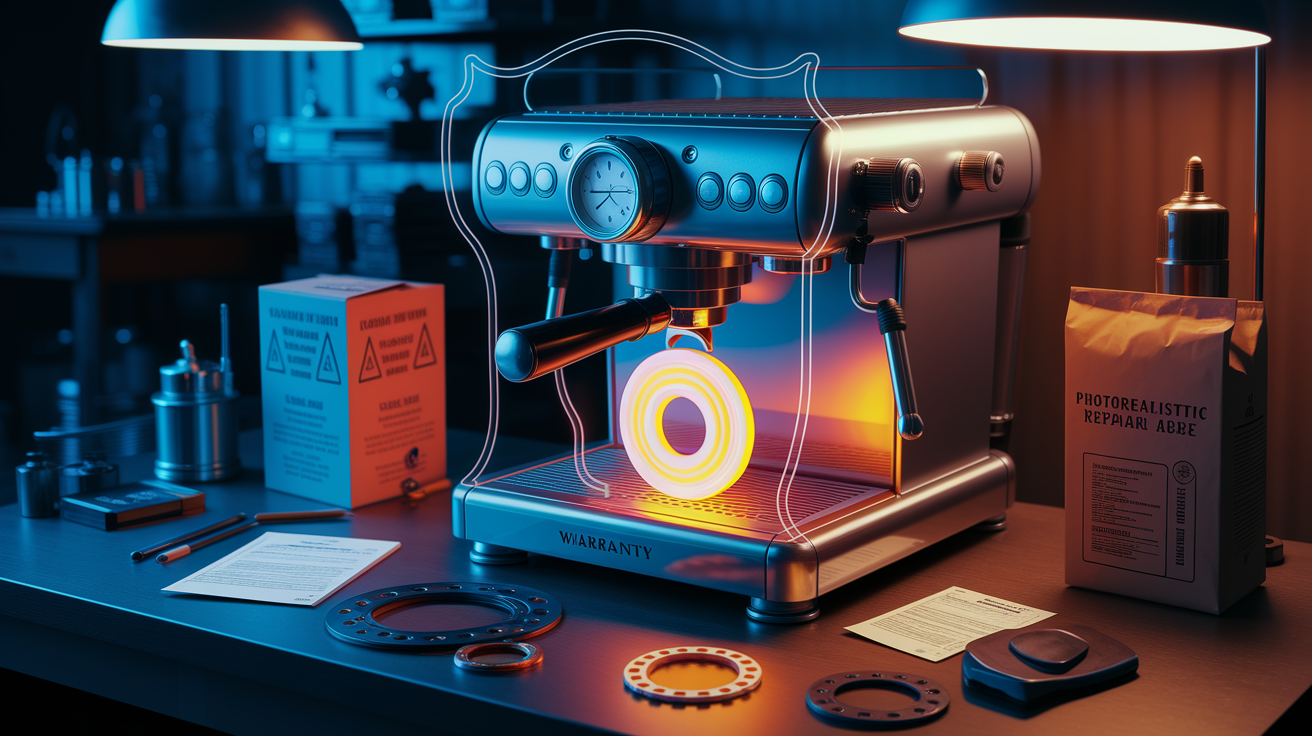
Installing aftermarket gaskets on a machine still under active warranty can void coverage for any failure the manufacturer attributes to non-OEM parts, even if the gasket replacement had nothing to do with the fault. Service contracts and commercial lease agreements often specify OEM-only components, meaning a single aftermarket seal can disqualify the entire machine from coverage and leave you paying out-of-pocket for repairs that would otherwise cost nothing. OEM gaskets preserve warranty status because the manufacturer vetted the material, durometer, and dimensional spec during machine development and guarantees compatibility with the group-head tolerances and thermal cycling behavior.
Aftermarket quality control varies wildly. Reputable suppliers publish material specs, Shore A hardness, and precise dimensions with stated tolerances, and often provide measured sample photos or return policies for fit verification. Budget sellers list only approximate sizes, use generic silicone or NBR without food-grade certification, and ship inconsistent batches where gasket thickness can vary by 1 to 2 mm piece-to-piece. Counterfeit “OEM” gaskets exist for popular brands like La Marzocco, Rancilio, and E61-group machines, sold at OEM prices but made from inferior materials with loose tolerances. These are the highest-risk purchases because you pay OEM cost for aftermarket reliability.
Risk list:
- Warranty voiding: aftermarket parts give manufacturers grounds to deny unrelated claims. Always check warranty terms before installing non-OEM seals
- Inconsistent batch quality: budget aftermarket suppliers ship mixed durometers or dimension variances. Order extras and verify fit before installing
- Counterfeit parts: fake “OEM” gaskets sold at genuine prices but made from generic materials. Buy only from authorized dealers or verify part numbers with manufacturer
- Service contract violations: commercial lease or service agreements often require OEM-only parts. Using aftermarket can terminate coverage and create liability for lease-return condition penalties
Availability and Sourcing Differences
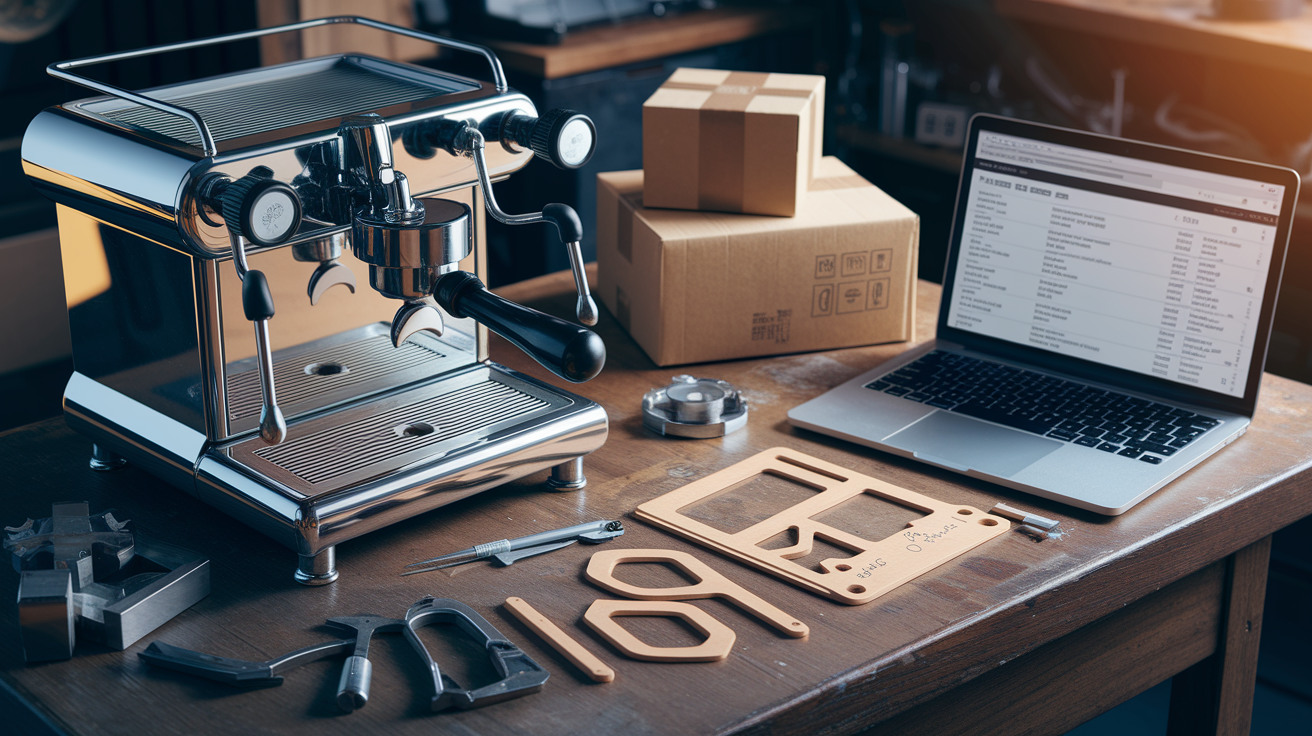
OEM gaskets are available directly from manufacturers, authorized dealers, and official parts distributors, with lead times ranging from same-day pickup (if the dealer stocks your model) to 1 to 14 days depending on production status, regional inventory, and shipping. Current-production machines usually have gaskets in stock. Older or niche models may require special order or backorder, and discontinued machines often have zero OEM availability, forcing you into aftermarket or custom-cut options. Aftermarket gaskets are sold through online marketplaces, independent espresso parts suppliers, and specialty seal manufacturers, typically shipping within 1 to 3 days and offering wider geographic reach than OEM distribution networks.
Vintage machines (anything more than 10 to 15 years old or from a manufacturer that exited the market) depend almost entirely on aftermarket or custom-fabricated gaskets because OEM stock is exhausted and tooling for original parts no longer exists. In these cases, sourcing becomes a process of measuring the group-head dimensions, identifying the correct profile (flat, stepped, conical), selecting a material that matches or exceeds the original spec, and ordering from a supplier who can cut gaskets to size or stocks a close-fit generic part. Custom-cut gaskets introduce lead time (several days to two weeks) and higher per-unit cost ($15 to $40) but are often the only path to keeping a classic machine operational.
Pros and Cons Breakdown of OEM and Aftermarket Espresso Gaskets
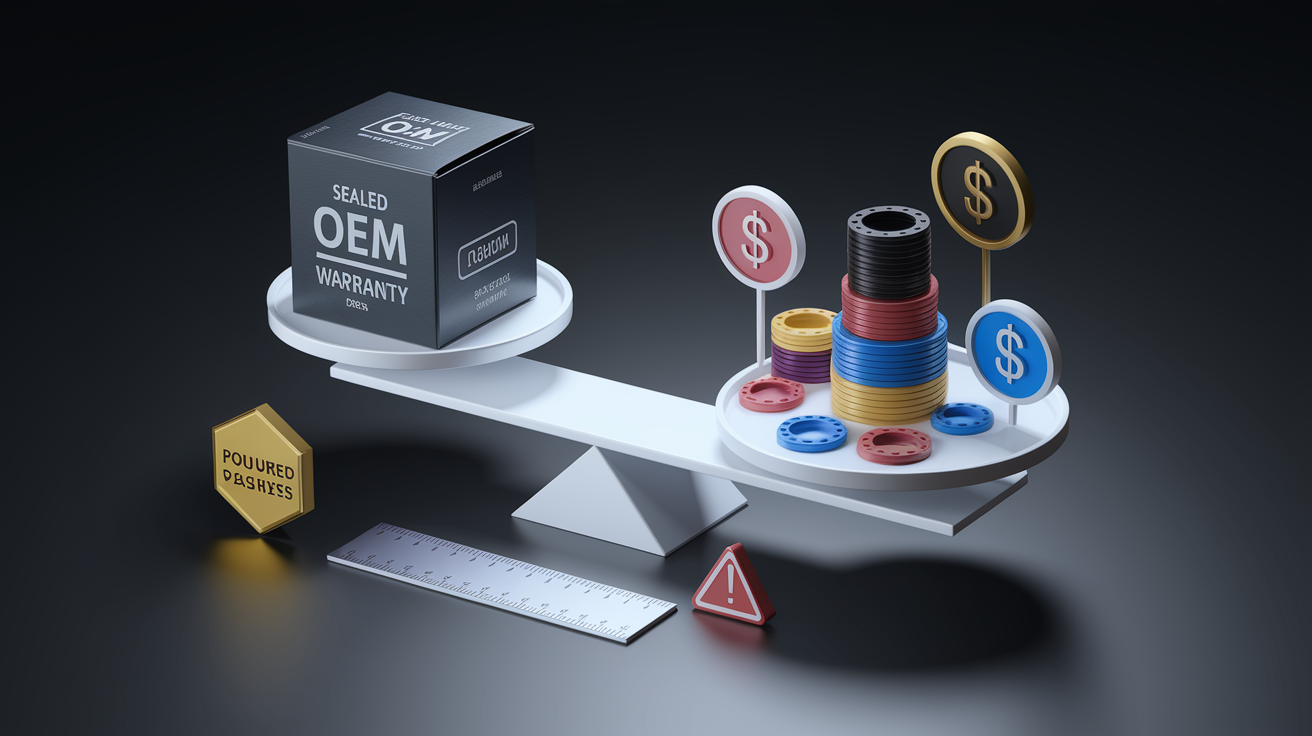
OEM Gasket Pros:
- Guaranteed dimensional match for inner diameter, outer diameter, thickness, and profile geometry
- Known material specification vetted by manufacturer for expected operating conditions and thermal cycling
- Preserves warranty coverage and service contract eligibility
- Consistent batch-to-batch quality and predictable replacement intervals
- Longer average lifespan in comparable use cases (home: 6 to 18 months; commercial: 1 to 6 months)
- Easier procurement through official channels for current-production machines
- Lower risk of fit failures, leaks, or pressure-sealing problems
- Documented part numbers simplify reordering and cross-referencing
OEM Gasket Cons:
- Higher upfront cost per unit (20 to 300% premium vs budget aftermarket)
- Limited material choices. Manufacturer selects compound, not user
- Availability issues for discontinued, vintage, or niche-market machines
- Longer lead times in some regions or for special-order parts
- No multi-pack or bulk-purchase discounts in most cases
- May not be optimized for modified machines or extreme operating conditions
Aftermarket Gasket Pros:
- Lower cost per part (30 to 80% cheaper than OEM for equivalent size)
- Multi-pack sets reduce per-gasket cost and provide spares for future replacements
- Wider material selection including high-temp Viton, specialized EPDM, and custom durometers
- Faster shipping and broader supplier base for common machine models
- Essential availability for vintage, discontinued, or orphaned machines with no OEM stock
- Opportunity to upgrade material performance beyond manufacturer spec
- Easier to source internationally or from independent suppliers
Aftermarket Gasket Cons:
- Dimensional consistency varies by supplier. Tolerance control can be poor in budget options
- Quality ranges from identical-to-OEM to dangerously undersized or wrong profile
- May void warranty or service contract coverage if installed during active coverage period
- Unpredictable lifespan. Low-spec aftermarket wears out 30 to 100% faster than OEM in high-volume use
- Risk of counterfeit parts sold as “OEM equivalent” at inflated prices
- Requires verification of material spec, durometer, and dimensions before installation
- No manufacturer support or troubleshooting assistance for fit or performance issues
User-Specific Recommendations and Practical Gasket Selection Framework
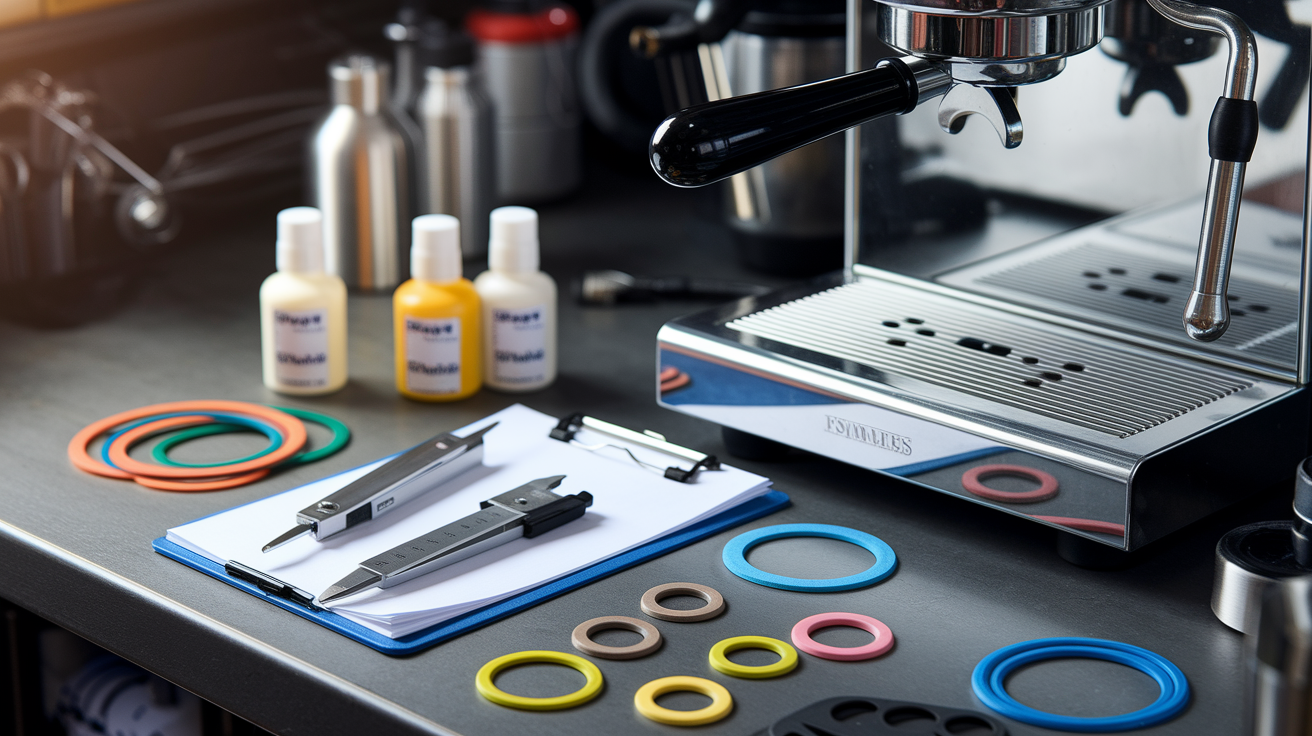
Home users operating machines still under manufacturer warranty should default to OEM gaskets for every scheduled replacement. The $10 to $15 price premium per gasket is negligible compared to the cost of a voided warranty claim on a $500 to $3,000 machine, and OEM parts guarantee the dimensional fit and material compatibility the manufacturer designed around. Once the warranty expires, aftermarket multi-packs make financial sense if you verify the supplier publishes exact dimensions, material type, and Shore A hardness. Buy a single OEM gasket first to confirm fit, then order a 5-pack of aftermarket for future replacements at $1.50 to $3 per piece instead of $12 to $15.
Prosumer and modified machines benefit most from premium aftermarket gaskets when the OEM material can’t handle increased demand. If you’ve installed a PID controller, flow-control paddle, or higher-capacity pump, stepping up to Viton (FKM) or a harder NBR compound (70 to 75 Shore A) extends gasket life and maintains sealing under higher thermal stress and more aggressive pressure profiling. Light commercial setups (small cafés pulling 50 to 150 shots daily) should use OEM gaskets or vetted industrial-grade aftermarket to ensure consistency across multiple baristas and minimize the risk of mid-service failures. The cost difference is $10 to $20 per replacement, but a leaking gasket during rush hour costs far more in wasted shots and customer wait time. Heavy commercial environments pulling 300+ shots daily need the shortest replacement intervals (1 to 3 months) and the most reliable sealing, which usually means OEM or verified high-cycle aftermarket from suppliers who document batch testing and material certifications.
Vintage or discontinued machines force you into aftermarket or custom-cut gaskets because OEM stock no longer exists. In these cases, measure the group-head flange with calipers (inner diameter, outer diameter, groove depth), identify the profile type (flat, stepped, conical), and source from a specialty seal supplier who can fabricate food-grade silicone or Viton gaskets to your dimensions. Expect to pay $15 to $40 per custom gasket and allow 1 to 2 weeks lead time, but verify the supplier offers a return or remake policy in case the first attempt doesn’t fit perfectly.
| Decision Factor | OEM Advantage | Aftermarket Advantage |
|---|---|---|
| Warranty protection | Preserves coverage; no dispute risk | None; may void warranty or service contract |
| Dimensional fit and tolerance | Guaranteed match; zero trial-and-error | High-quality aftermarket matches; budget options risky |
| Material selection and performance | Vetted by manufacturer; reliable for standard use | Wider choice; Viton and custom compounds for extreme conditions |
| Cost and bulk availability | Higher per-unit; no multi-packs usually | 30 to 80% cheaper; multi-packs available |
Practical gasket selection checklist:
- Verify machine model and cross-reference OEM part number or measure existing gasket with calipers (ID, OD, thickness, profile)
- Check warranty status and service contract terms. Use OEM if coverage is active
- Confirm material type and Shore A durometer (60 to 65 for forgiving seal, 70 to 75 for high-cycle durability, Viton for extreme heat/chemical exposure)
- For aftermarket, request or verify published dimensional tolerances (±0.2 mm acceptable, ±1.0 mm risky)
- Order a single test gasket before committing to multi-pack purchases
- Inspect portafilter basket rim for dents or dings that prevent sealing even with a new gasket
- Use food-grade silicone grease during installation. Avoid petroleum-based lubricants
- Record replacement date and track intervals (home: 6 to 12 months, commercial: 1 to 3 months) to catch wear before leaks start
Final Words
Pull the old gasket, fit the new one, and watch the shot settle. You saw how materials, fit, lifespan, cost, performance, warranty, and sourcing all matter.
Short rule: if you want predictable fit and warranty protection, go OEM. If you need lower cost, special materials, or parts for a vintage machine, aftermarket can work—just measure and test.
OEM vs aftermarket espresso gaskets pros and cons come down to fit, price, and risk. Pick the option that matches your machine and patience, and you’ll be back to steady, tasty shots.
FAQ
Q: Are OEM gaskets better than aftermarket?
A: OEM gaskets are better than aftermarket for exact fit, predictable lifespan, and preserving warranty; aftermarket suits tight budgets, discontinued machines, or special materials but can vary in tolerances.
Q: How long do espresso gaskets last?
A: Espresso gaskets last about 6–18 months at home with OEM parts and 1–6 months in commercial use; aftermarket often runs shorter: home 3–12 months, commercial 2–4 months, depending on use and cleaning.
Q: What brand makes the best gaskets?
A: The best gasket brand depends on your goal: OEM from your machine maker is safest for fit and warranty; choose aftermarket brands only if they publish material specs, durometer, and exact dimensions.
Q: Are Felpro gaskets as good as OEM?
A: Felpro gaskets are as good as OEM when their material, durometer, and profile match the original; they can be a cost-effective aftermarket option, but verify dimensions and note warranty implications.