
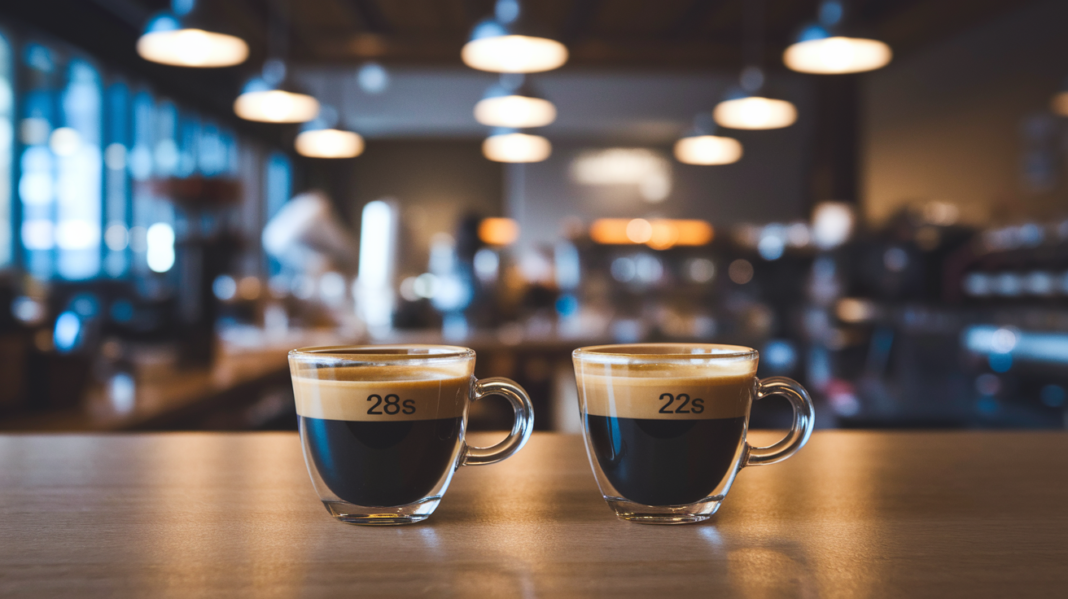

Treating light and dark roasts the same is why your shots taste off.
Light roasts need more time and heat.
Dark roasts need less time and lower temp.
This post gives clear, repeatable timing targets, temp ranges, and grind moves so you stop guessing and start dialing shots that taste balanced.
Expect specific numbers, like 25 to 30+ seconds at 200 to 203°F for lights, 20 to 25 seconds at 193 to 195°F for darks, and quick sensory checks to confirm you’re on track.
Core Timing Differences That Define Light vs Dark Roast Espresso Extraction

Light roast espresso needs more time and heat to extract properly. The beans are denser, less porous, and they hold their solubles tighter. Pull a light roast shot in 20 seconds and you’ll taste sour, salty, underdeveloped flavors. Most light roasts land somewhere between 25 and 30 seconds, sometimes longer depending on dose and yield. You’ll also want your machine running hotter, around 200 to 203°F, to help water pull sweetness and complexity out of those dense beans.
Dark roast espresso extracts faster and needs less heat. The beans are more porous, brittle, and their solubles dissolve quickly. Run a dark roast shot for 30 seconds at 200°F and you’ll end up with harsh bitterness and a dry, empty finish. Most dark roasts perform best in the 20 to 25 second window, pulled at temperatures closer to 193 to 195°F. Grind coarser than you would for a light roast to keep water from over-extracting bitter compounds.
The grind you choose reinforces these timing differences. Light roasts require a finer grind to slow down flow and extend contact time. Dark roasts need a coarser grind to speed up the shot and prevent over-extraction. Medium roasts sit in the middle, around 200°F and 25 to 27 seconds, and they’re a useful baseline when you’re switching between roast levels.
Light roast timing: 25 to 30+ seconds, sometimes extending to 32 to 35 seconds for very dense or high-elevation beans.
Light roast temperature: 200 to 203°F (94 to 96°C). Increase by 1 to 2°F if the shot tastes sour.
Light roast grind: Finer than medium, adjusted to achieve target time without choking the machine.
Dark roast timing: 20 to 25 seconds. Aim closer to 22 seconds to avoid bitterness.
Dark roast temperature: 193 to 195°F (90 to 94°C). Lower by 1 to 2°F if the shot tastes harsh or astringent.
Dark roast grind: Coarser than medium, adjusted to prevent slow, over-extracted shots.
Chemical and Structural Roast-Level Factors That Influence Extraction Behavior
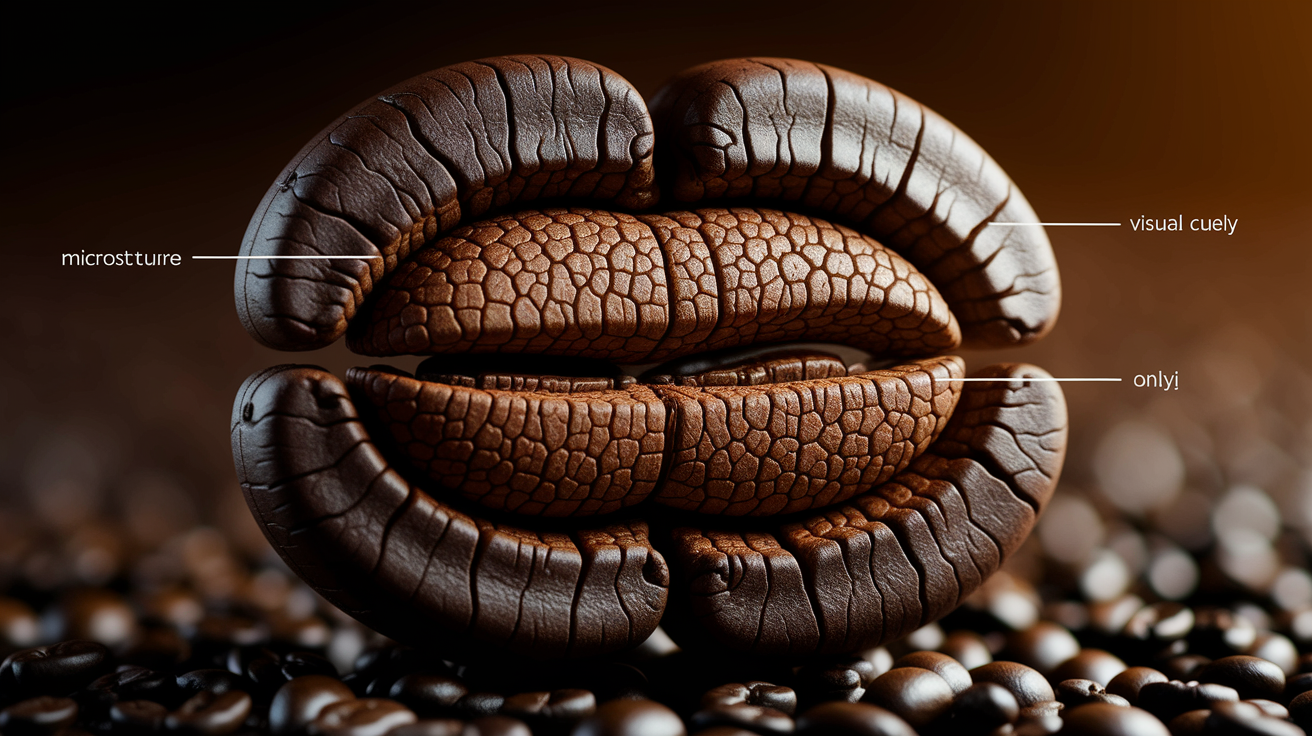
Roasting changes the physical structure of the coffee bean in ways that directly affect how water moves through the puck and how quickly solubles dissolve. As beans roast longer, heat breaks down cell walls, creates microfractures, and drives off moisture. This increases porosity and brittleness. Darker roasts develop more surface-level solubles: caramelized sugars, Maillard reaction products, and oily compounds that dissolve quickly in hot water. The result is faster extraction and higher risk of pulling bitter, astringent flavors if you don’t adjust timing and temperature downward.
Light roasts retain much of their original cellular density. The beans are harder, less porous, and their solubles are locked deeper inside. Water has to work harder to penetrate and dissolve the compounds that create balanced sweetness and acidity. That’s why light roasts require higher temperatures, finer grinds, and longer contact times. Without those adjustments, you end up with sour, salty, or thin shots that taste underdeveloped, even when the timing looks normal for a darker roast.
| Roast Level | Solubility | Structural Characteristics |
|---|---|---|
| Light | Low to moderate; solubles require more energy to extract | Dense, hard beans; intact cell walls; minimal surface oils; low porosity |
| Medium | Moderate; balanced extraction speed | Moderate porosity; some cell-wall breakdown; light surface oils on darker mediums |
| Dark | High; solubles dissolve quickly | Brittle, porous beans; extensive microfractures; visible surface oils; fragile structure |
Timing Guidelines and Brew Ratios Tailored for Light vs Dark Espresso
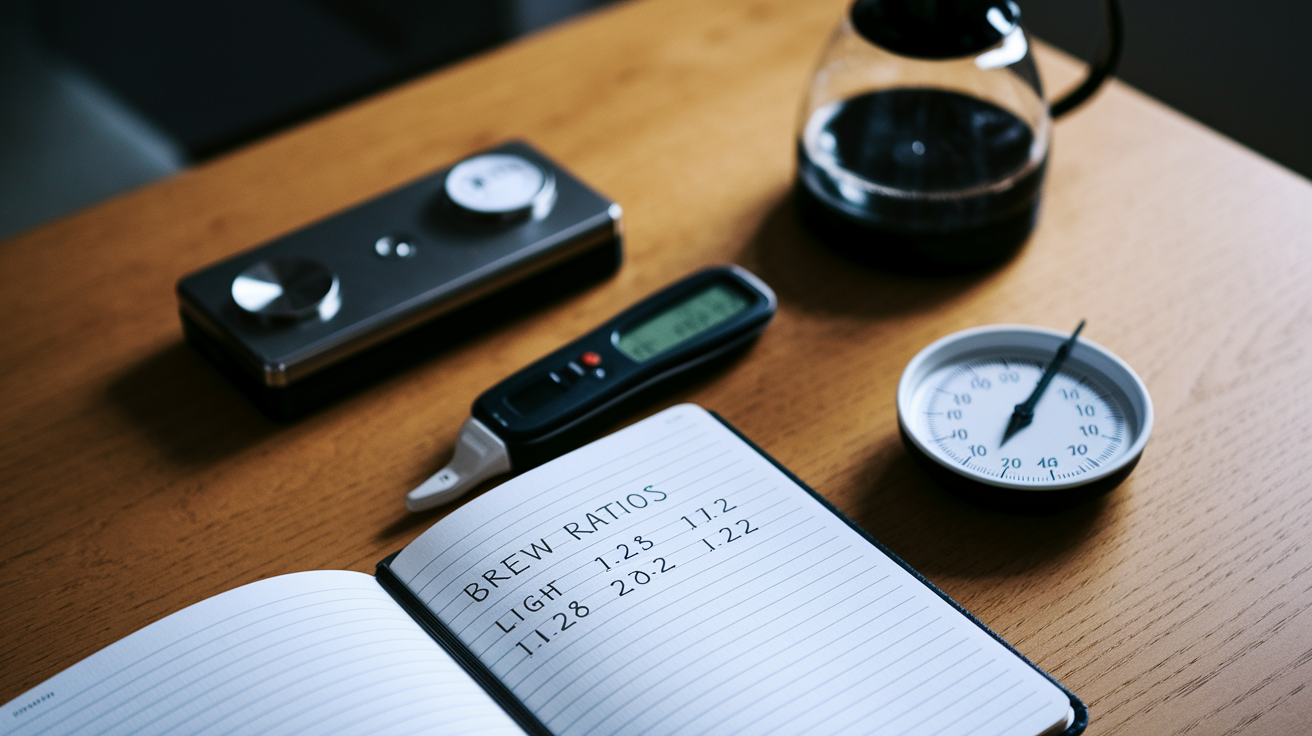
Brew ratio and timing work together to control how much soluble material ends up in your cup. Light roasts benefit from higher ratios, like 1:2 or even 1:2.5, because the denser beans need more water and time to extract a balanced, sweet shot. A common light roast recipe is 20 grams in, 40 grams out, pulled over 28 to 30 seconds at 203°F. If you’re working with very high-elevation beans, you might push to 1:2.5 and extend the shot a bit longer to avoid sourness.
Dark roasts extract more easily, so lower ratios work well. A typical dark roast recipe is 20 grams in, 30 grams out (1:1.5), pulled in around 22 seconds at 195°F. The shorter time and smaller yield keep bitterness in check while highlighting chocolate, molasses, and caramel notes. If you run a dark roast at a 1:2 ratio for 30 seconds, you’ll often pull too many bitter compounds and end up with an unpleasant, harsh finish.
Medium roasts sit between these extremes. Start with 20 grams in, 30 grams out, around 200°F, and aim for 25 to 27 seconds. Taste the shot and adjust from there. Medium roasts give you more flexibility because they’re not as dense as light roasts or as fragile as dark roasts. The ratio you choose determines how much contact time the water has with the coffee, which is why light roasts pair with higher yields and dark roasts pair with lower yields or shorter times.
Light roast, standard density: 18 g to 36 g (1:2) in 25 to 30 seconds at 200 to 203°F.
Light roast, high-elevation or very dense beans: 18 g to 40 to 45 g (1:2.2 to 1:2.5) in 28 to 35 seconds at 203°F or slightly higher.
Medium roast baseline: 20 g to 30 g (1:1.5) in 25 to 27 seconds at 200°F. Adjust to taste.
Dark roast, standard recipe: 20 g to 30 g (1:1.5) in 20 to 22 seconds at 193 to 195°F.
Dark roast, oily or very porous beans: 18 g to 30 to 33 g in 20 to 24 seconds at 193°F to avoid over-extraction and emphasize syrupy texture.
Grind Size Adjustments That Change Shot Timing for Different Roasts
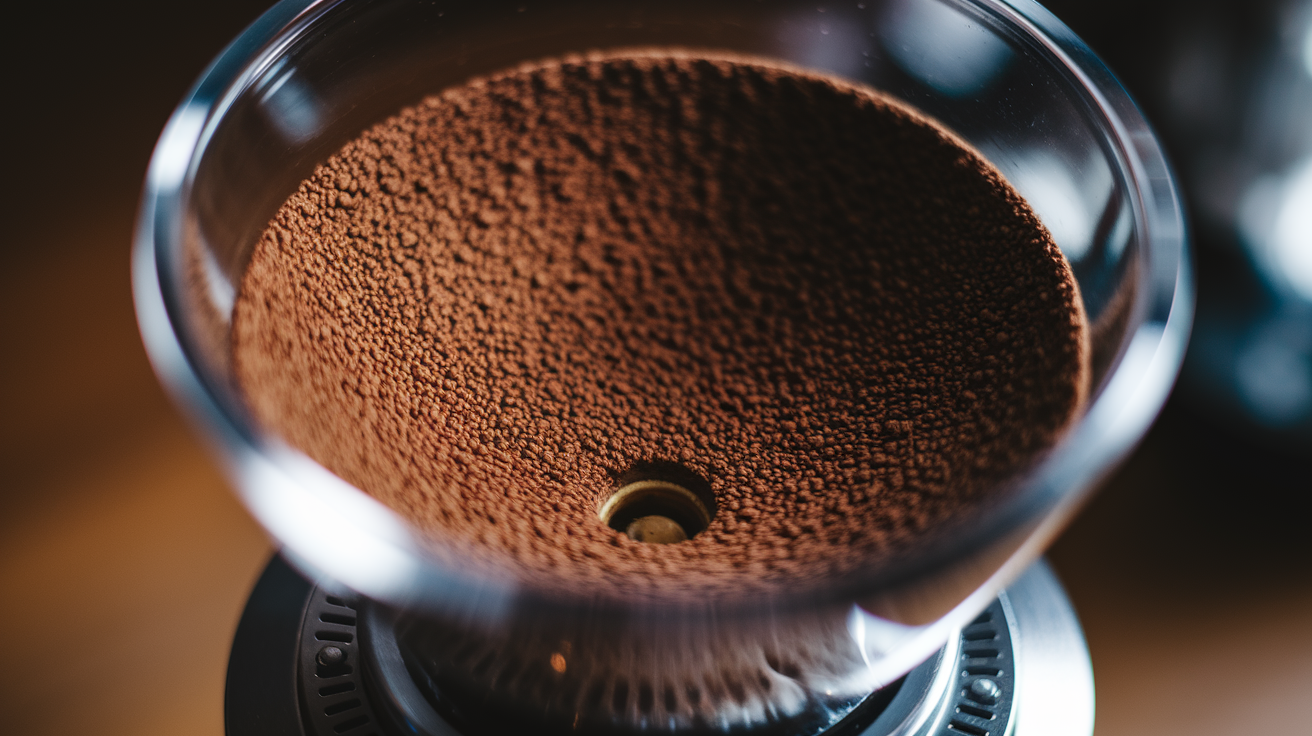
Grind size is the most powerful variable for controlling shot timing. When you grind finer, water moves more slowly through the puck, extending contact time and increasing extraction. When you grind coarser, water flows faster, shortening the shot and reducing extraction. Light roasts require a finer grind than dark roasts because you need that extra resistance to give the water enough time to pull balanced flavors from dense, hard beans.
Dark roasts need a coarser grind to prevent over-extraction. If you grind a dark roast as fine as a light roast, you’ll choke the machine or pull a slow, bitter shot. The goal is to let water move through quickly enough to highlight sweetness and chocolate notes without extracting harsh, astringent compounds. Adjusting grind affects timing more dramatically than adjusting temperature. One or two clicks on your grinder can shift your shot time by several seconds.
Beans also change as they age. Expect to grind about a half-step finer every four to five days after roasting to maintain the same timing and extraction quality. This applies to all roast levels, but it’s especially important with light roasts because even small timing changes can push a shot from balanced to sour. Track your grind setting in a notebook or a dial-in sheet so you can repeat successful recipes when you switch beans or roasters.
Temperature Management to Control Timing for Light vs Dark Espresso
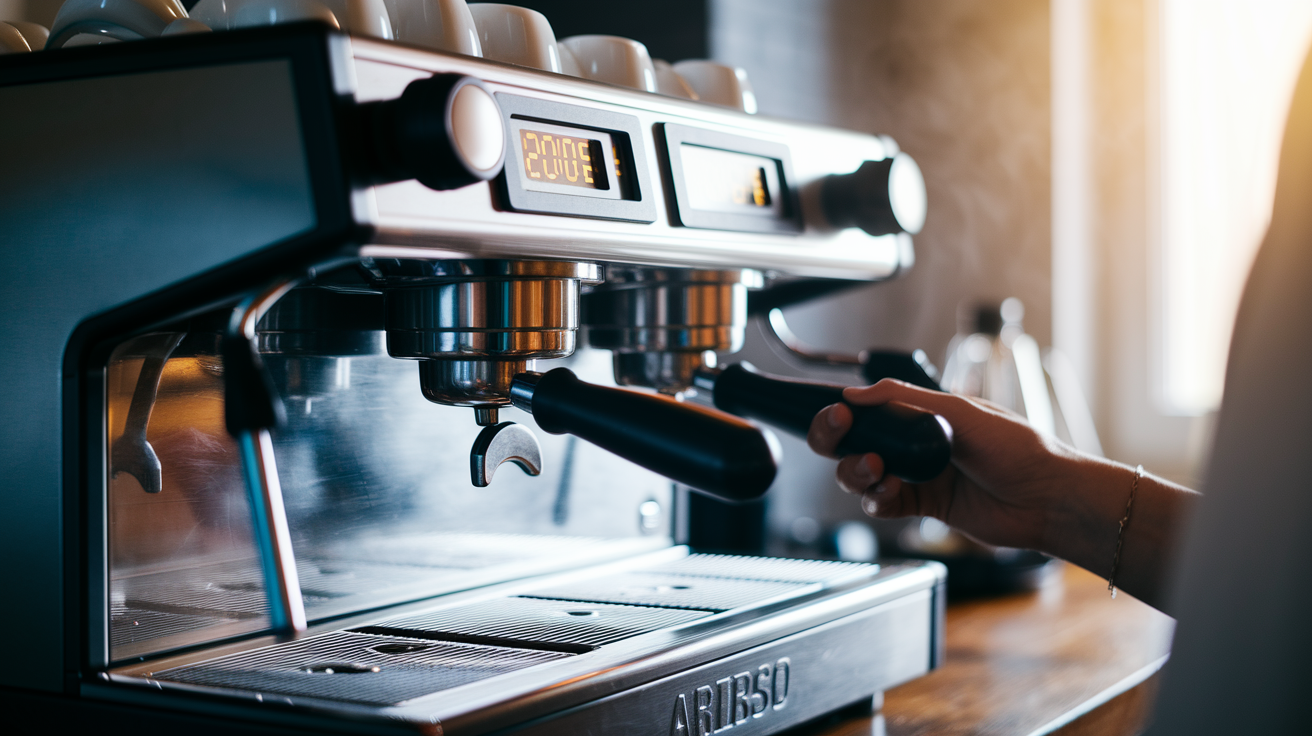
Water temperature directly affects how quickly solubles dissolve and how fast water flows through the puck. Higher temperatures increase solubility and can slightly reduce viscosity, which shortens shot times and extracts more from dense beans. That’s why light roasts perform best at 200 to 203°F (94 to 96°C). The extra heat helps pull sweetness and complexity from beans that would otherwise taste sour and underdeveloped.
Lower temperatures slow extraction and reduce the risk of pulling bitter compounds. Dark roasts benefit from temperatures around 193 to 195°F (90 to 94°C). If you brew a dark roast at 203°F, you’ll often extract too much too quickly, even if the shot time looks normal. The result is bitterness, astringency, and a dry, empty finish. Dropping the temperature by just 2 to 3 degrees can shift a harsh shot into a smooth, chocolatey one.
Small temperature changes have a strong effect on timing and taste. Adjusting by 1 to 2°F can add or subtract a few seconds from your shot and change the flavor profile noticeably. Machines with PID temperature control make these adjustments easy and repeatable. If your machine doesn’t have a PID, you can use temperature surfing (timing your shot pull to match when the boiler cycles to the temperature you want), but it’s less precise and harder to repeat consistently.
Light roast at 200°F, 28 seconds: Balanced sweetness and brightness, clean finish.
Light roast at 203°F, 30 seconds: Increased body, richer sweetness, slightly shorter effective extraction due to faster solubility.
Dark roast at 195°F, 22 seconds: Smooth chocolate and molasses notes, minimal bitterness.
Dark roast at 198°F, 22 seconds: Noticeable bitterness, harsher mouthfeel, empty aftertaste.
Sensory Cues for Timing Errors in Light vs Dark Espresso
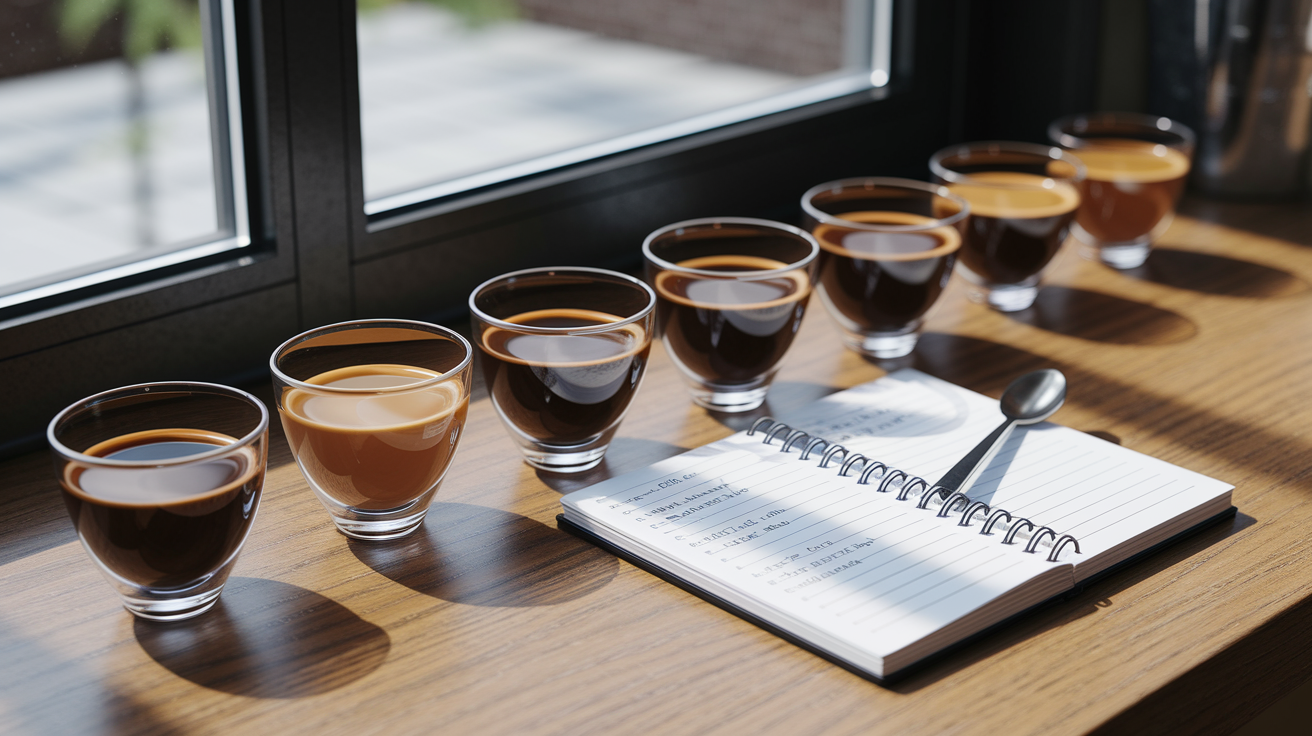
Taste is the fastest way to diagnose timing problems. Sour, salty, or thin flavors mean under-extraction, common when light roasts are pulled too fast or at too low a temperature. If your shot tastes like lemon juice or has a sharp, empty finish, you need more time, more heat, or a finer grind. Under-extracted light roasts often produce pale, thin crema that disappears quickly.
Bitter, astringent, or harsh flavors mean over-extraction, common when dark roasts are pulled too slowly or at too high a temperature. If the shot leaves a dry, unpleasant coating in your mouth or tastes like burnt rubber, you need less time, lower heat, or a coarser grind. Over-extracted dark roasts usually produce dark, mottled crema with a grayish tint and a rough, uneven texture.
Crema color and texture provide quick visual feedback. Light roasts tend to produce lighter, golden-brown crema when extracted correctly. If the crema is very pale and disappears in seconds, the shot is likely under-extracted. Dark roasts produce darker, richer crema. If it’s too dark, mottled, or has a burnt appearance, the shot is likely over-extracted. A balanced shot, regardless of roast, will have crema that’s smooth, even, and holds for at least a minute.
Light roast, sour/salty taste, pale crema: Under-extracted. Increase time by 2 to 3 seconds, raise temperature 1 to 2°F, or grind finer.
Light roast, flat/muted taste, fast flow: Under-extracted. Check dose and distribution, then grind finer or increase yield.
Light roast, balanced sweetness, golden crema: Well-extracted. Record settings and repeat.
Dark roast, harsh/bitter taste, dark mottled crema: Over-extracted. Reduce time by 2 to 3 seconds, lower temperature 1 to 2°F, or grind coarser.
Dark roast, dry/astringent finish, slow flow: Over-extracted. Grind coarser or reduce yield.
Dark roast, smooth chocolate notes, even dark crema: Well-extracted. Record settings and repeat.
Troubleshooting Shot Timing for Light vs Dark Roasts
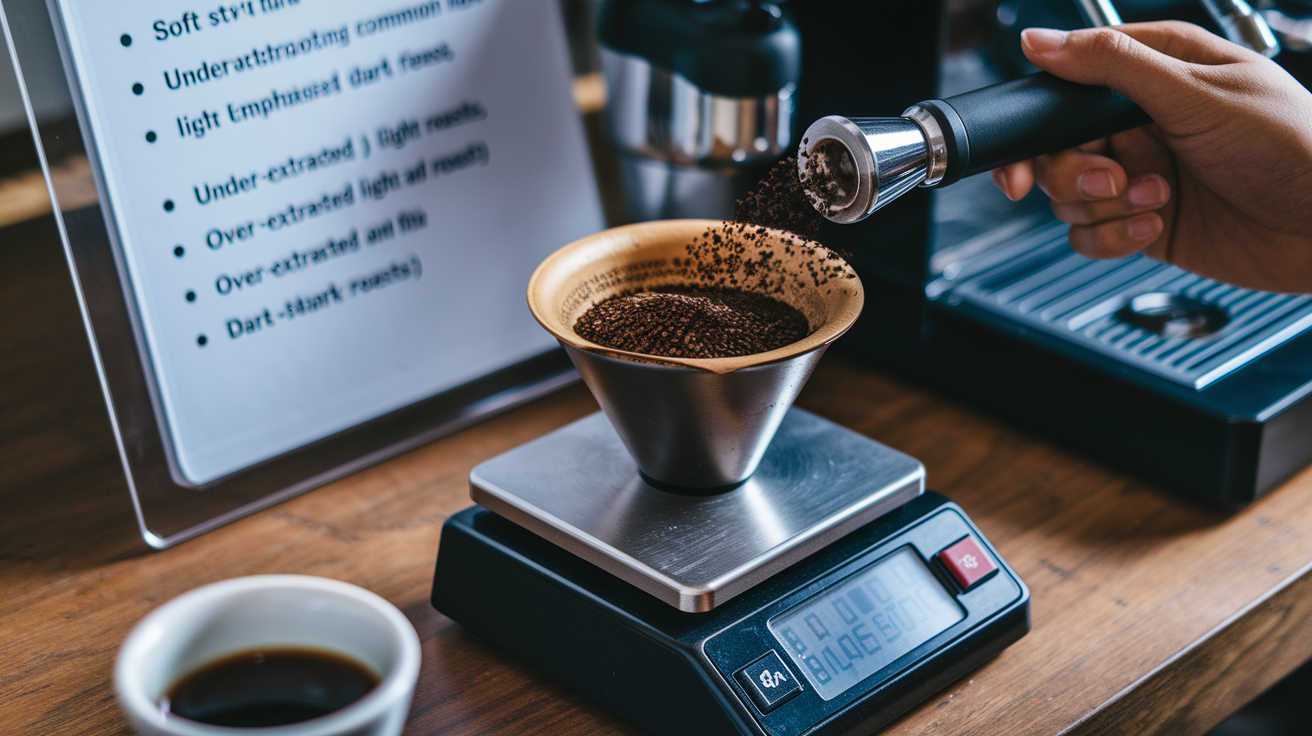
When a shot pulls too fast, the most common causes are stale beans, a dose that’s too low, or a grind that’s too coarse. For light roasts, a fast shot almost always tastes sour or underdeveloped. Grind finer first (usually one or two clicks) and pull another shot. If that doesn’t fix it, increase your brew temperature by 1 to 2°F. If the shot is still fast and sour, check your dose and make sure you’re using fresh beans within the 7 to 40 day window after roasting.
When a shot pulls too slowly, the usual suspects are a grind that’s too fine, poor puck preparation, or a dose that’s too high for the basket. For dark roasts, a slow shot often tastes bitter and astringent. Grind coarser by one or two clicks and test again. If the shot is still slow, check for channeling: uneven puck surfaces, dry spots, or cracks. Use a WDT tool to distribute the grounds evenly before tamping, and make sure your tamp is level.
Incremental changes are key. Adjust timing by 1 to 2 seconds per test shot, and adjust grind by the smallest increment your grinder allows. Pull a shot, taste it, record the results, and make one change. Trying to fix multiple variables at once makes it impossible to know what actually worked. If you’re switching between light and dark roasts frequently, note your baseline grind setting for each so you don’t waste shots re-dialing from scratch.
| Problem | Likely Cause | Timing Fix |
|---|---|---|
| Light roast, sour/salty, fast (under 25 s) | Grind too coarse, temperature too low, or stale beans | Grind finer, increase temperature 1 to 2°F, or extend time to 28 to 30 s |
| Light roast, slow/choked (over 35 s) | Grind too fine, uneven distribution, or dose too high | Grind coarser, check puck prep with WDT, reduce dose slightly |
| Dark roast, bitter/astringent, slow (over 27 s) | Grind too fine, temperature too high | Grind coarser, lower temperature 1 to 2°F, or shorten time to 20 to 22 s |
| Dark roast, thin/fast (under 20 s) | Grind too coarse, channeling, or low dose | Grind finer, check puck prep, confirm dose matches basket size |
Workflow and Dial-In Sequence for Consistent Timing Across Roast Levels
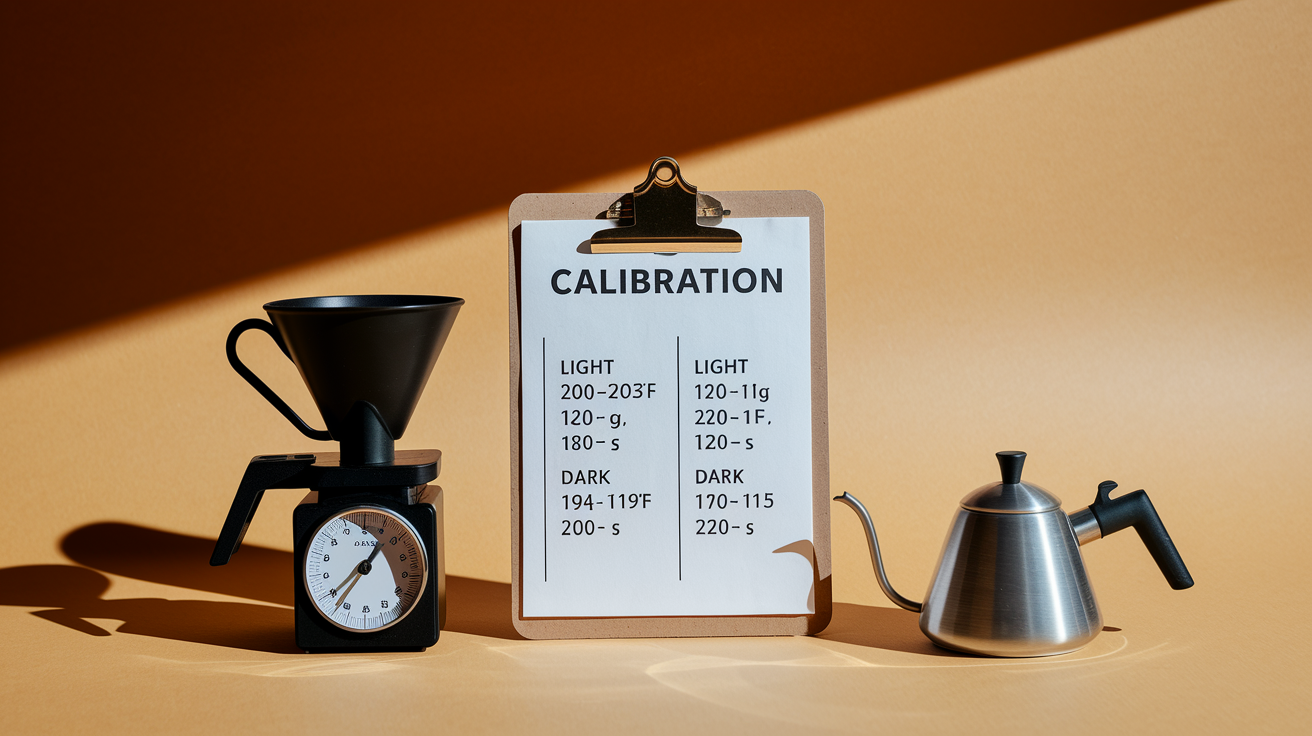
Start every new bag of beans with a roast-appropriate baseline. For light roasts, set your machine to 200 to 203°F, dose 18 to 20 grams, and aim for a 1:2 ratio in 28 to 30 seconds. For dark roasts, set the temperature to 193 to 195°F, dose 18 to 20 grams, and aim for a 1:1.5 ratio in 20 to 22 seconds. Pull a test shot and pay attention to taste, timing, and crema. If the shot tastes balanced, record your settings and repeat. If it’s off, adjust one variable at a time.
Taste comes first. If the shot is sour, grind finer or increase temperature. If it’s bitter, grind coarser or lower temperature. If it’s close but not quite right, make smaller adjustments. Shift timing by 1 to 2 seconds or temperature by 1°F. Pull another shot and taste again. Once you hit a sweet, balanced result, write down your dose, grind setting, yield, time, and temperature. Use that as your reference point for the rest of the bag.
Tracking variables saves beans and time. Keep a simple dial-in sheet or a notebook by your machine. Record every test shot with the date, bean name, dose, grind setting, yield, shot time, temperature, and a quick taste note. When you switch beans or roasters, you can compare your new settings to past ones and dial in faster. If a shot drifts over the life of the bag, you’ll know whether to grind finer or adjust temperature without wasting shots on guesswork.
Use weight-based extraction control whenever possible. Stopping a shot by weight (grams out) is more accurate than stopping by time, especially when switching between roast levels. Light roasts may slow down as you grind finer, so hitting a target yield in slightly longer times is normal. Dark roasts may speed up as you grind coarser, so shorter times with the same yield are expected. Focus on the final taste, not the clock.
Set your baseline: Choose temperature, dose, and target ratio based on roast level (light = 200 to 203°F, 1:2, 28 to 30 s; dark = 193 to 195°F, 1:1.5, 20 to 22 s).
Pull a test shot: Measure dose in, yield out, and shot time. Taste immediately and note sour, bitter, or balanced.
Adjust one variable: Grind finer/coarser for timing issues. Raise/lower temperature for taste issues. Change yield if extraction feels incomplete or excessive.
Pull another shot and taste: Compare to the previous result. If better, continue small adjustments. If worse, revert and try a different variable.
Record your final recipe: Write down dose, grind setting, yield, time, temperature, and tasting note. Use this as your starting point for the next session or when beans age.
Final Words
Start pulling with the rules of thumb: light roasts usually need 25–30+ seconds at 200–203°F with a finer grind; dark roasts 20–25 seconds at 193–195°F with a coarser grind. Watch yield, taste, crema; tweak one variable at a time.
Use the dial-in workflow: set a roast-specific baseline, record dose/grind/yield/time/temp/taste, then change 1–2 seconds or a small grind step between tests. Sour means add time or heat; bitter means back off.
These shot timing strategies for light vs dark roast espresso give a simple path—start with baselines, measure, and adjust. You’ll end up with more consistent shots.
FAQ
Q: What is the 15-15-15 coffee rule?
A: The 15-15-15 coffee rule is a simple extraction split some baristas use: 15 seconds gentle preinfusion, 15 seconds steady flow, then 15 seconds finishing phase to help balance extraction and crema.
Q: What is the 30 second rule for espresso?
A: The 30 second rule for espresso says aim for roughly 30 seconds total extraction for a standard shot; if much faster, grind finer or raise dose, if slower, go coarser or lower dose.
Q: What are the 4 enemies of coffee?
A: The 4 enemies of coffee are oxygen, moisture, heat, and light; keep beans sealed, cool, and dark to preserve freshness, aroma, and flavour.
Q: How long should a dark roast espresso shot take?
A: A dark roast espresso shot should take about 20–25 seconds with a slightly coarser grind and lower brew temperature (~195°F); shorten time or coarsen grind if the shot tastes bitter.