

Think any milk frother will make café-quality foam? Think again.
If you want latte art, silky microfoam, and milk that tastes sweet, not scorched, you need a frother that controls heat and aeration.
We tested the top models for microfoam quality, temperature control with 140°F as the sweet spot, speed, and plant milk performance.
This guide shows which frothers give repeatable café results at home, which are fine for quick cappuccinos, and which struggle with oat milk.
Read on to find the best milk frother for your budget and workflow.
Top-Ranked Picks to Help You Choose the Best Milk Frother
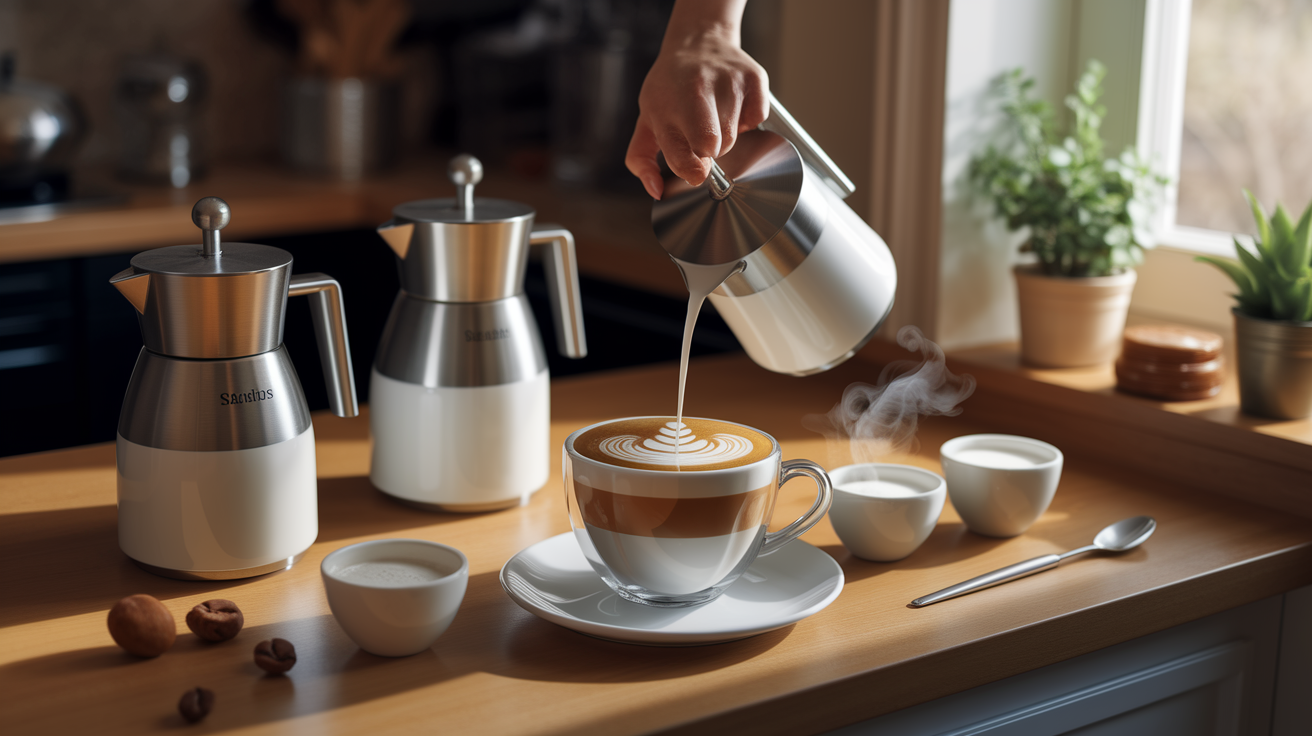
The best milk frothers in 2026 give you professional microfoam, solid temperature control, and dependable results with dairy and plant milks. Testing zeroed in on four things: how silky the foam looks, how fast you get it, whether you can adjust heat, and how much milk you can actually froth before it spills over. Machines that make pourable microfoam for latte art sit at the top. Units that spit out sudsy bubbles or can’t dial in temperature? They drop lower.
Every top pick got tested with whole milk and Oatly across three modes: hot foam, cold foam, and plain hot milk. Testers watched how the foam poured, how long bubbles lasted, and whether flavor stayed clean or turned bitter past 150°F. The goal was simple: find which devices can replicate café results at home and which ones struggle with oat milk or overheat.
Best milk frothers in 2026 run from under $35 for rechargeable handhelds to over $200 for premium carafes. Budget picks usually skip adjustable heat and larger jars. Midrange options from $50 to $150 deliver strong everyday foam without the cost. High-end frothers add dials, bigger capacity, and the precision latte-art people need.
- Breville Milk Café – 25 oz capacity, 120°–160°F adjustable, 2 foam discs, nails microfoam on whole and oat milk
- Keurig K-Froth – 10 oz capacity, $70, 4 presets, reliable with dairy and plant milks
- Subliminal NanoFoamer PRO – 7.8 oz capacity, 130°–155°F, 6 programs, microfoam precision for latte art
- Instant Pot MagicFroth 9‑in‑1 – 17 oz carafe (8.5 oz frothing-safe), 140°–165°F, touchscreen, strong budget value
- Smeg Mini Milk Frother – 6.1 oz capacity, 140°F, compact retro design, 3 presets
- Maestri House LunaFro Max – USB‑C rechargeable, $35, rotary speed dial, lasts up to 3 months per charge
Electric vs. Handheld vs. Manual: Comparing Milk Frother Types
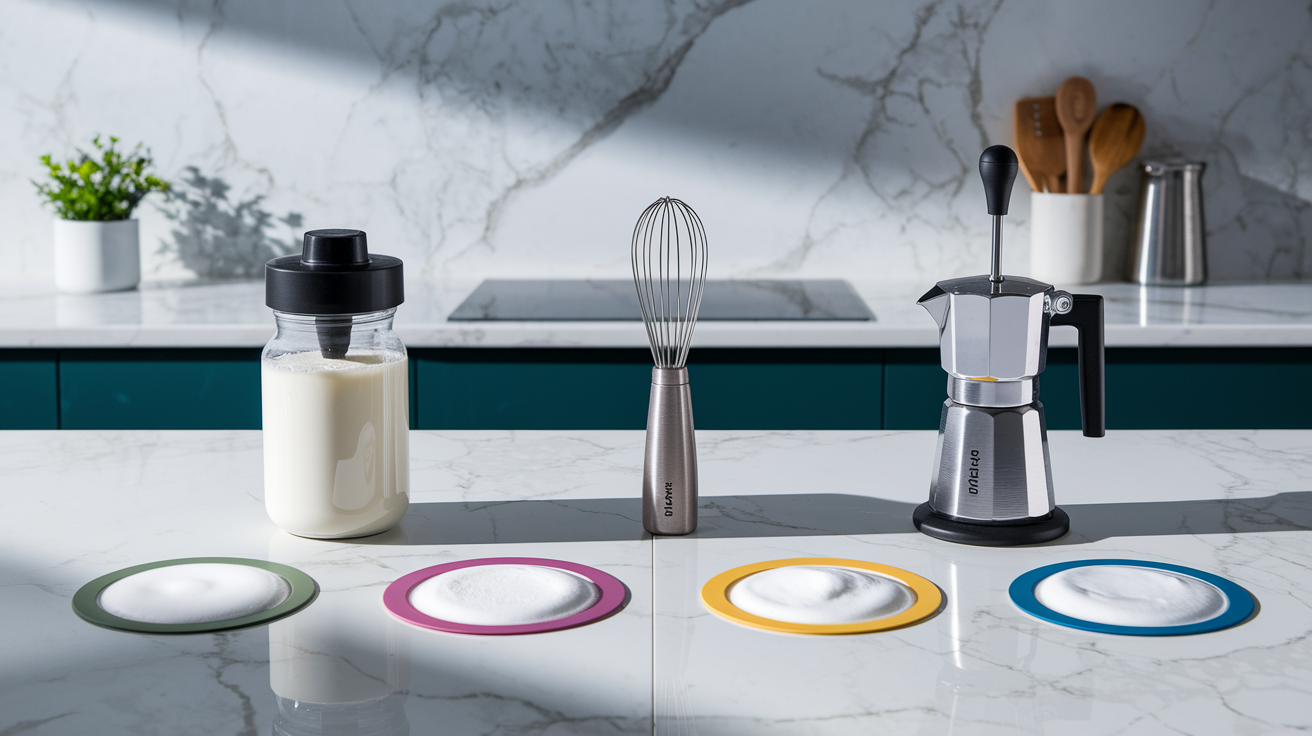
Electric automatic frothers give you consistent results in 40 to 90 seconds with basically zero effort. They heat and froth at the same time, which makes them perfect for multi-cup servings or anyone who wants repeatable foam without learning technique. Typical jar capacities run from 120 to 500 mL, though the frothing-safe limit is often half the warming capacity. Most electric models include presets for hot foam, cold foam, and plain hot milk.
Handheld frothers finish faster, often in 15 to 40 seconds, but you’re controlling everything manually and the bubbles tend to be bigger. True microfoam is harder to hit. They win on portability, small footprint, and low cost, especially rechargeable USB‑C models. Manual pump frothers sit between electric and handheld: they hold 250 to 350 mL, need 15 to 45 seconds of pumping, and give you total control over aeration without needing power.
| Type | Typical Capacity | Froth Time | Best For |
|---|---|---|---|
| Electric automatic jar | 120–500 mL | 40–90 seconds | Hands-off consistency, presets, hot & cold foam |
| Handheld battery/USB‑C | Single cup | 15–40 seconds | Budget, portability, small kitchens |
| Manual pump (French-press style) | 250–350 mL | 15–45 seconds | Durability, no power, easy cleaning |
| Steam wand (espresso machine) | Varies by pitcher | 20–60 seconds | Professional microfoam, latte art control |
Feature Breakdown: What Makes a Milk Frother “The Best”
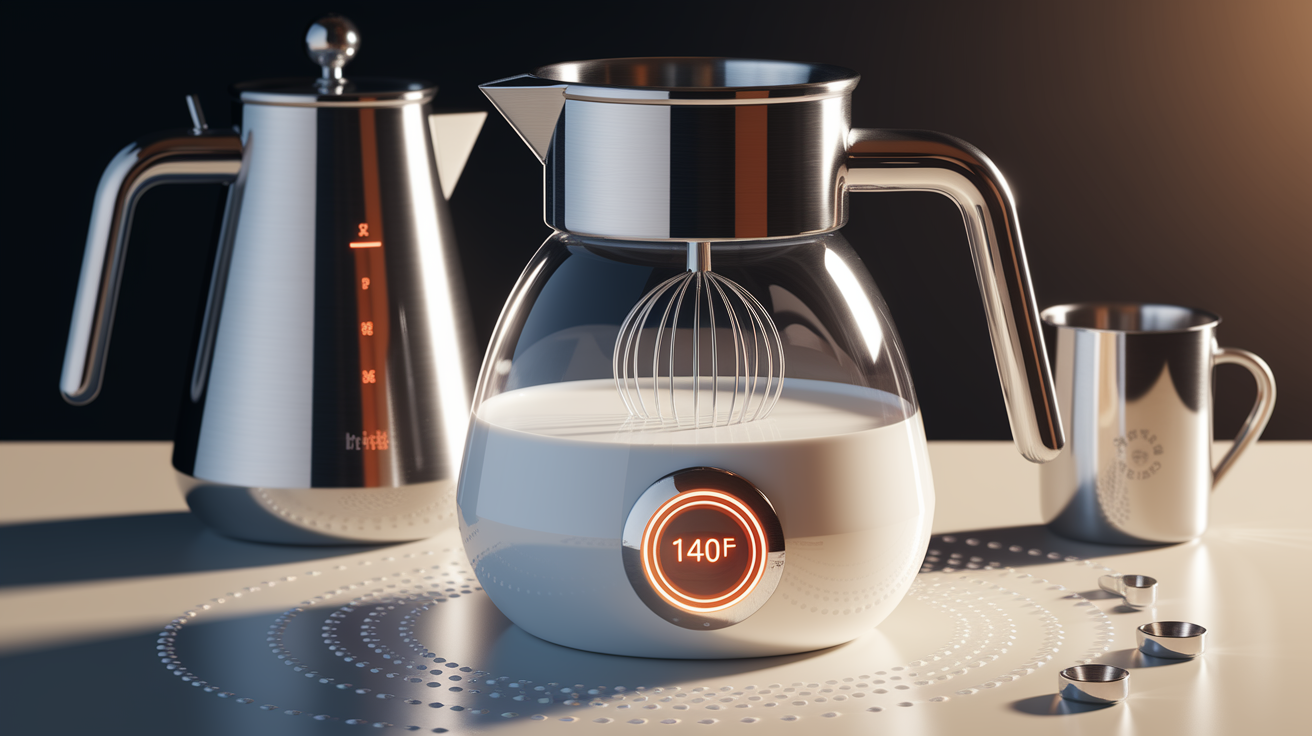
Temperature control separates professional-grade frothers from basic whiskers. A lot of coffee people consider 140°F the sweet spot for steamed milk. Hot enough to bring out sweetness without scalding proteins. Machines that push past 150°F often give you bitter, flat-tasting milk. The best frothers offer adjustable temperature dials or at least multiple presets so you can stop heating before flavor takes a hit.
Durability comes down to materials and moving parts. Stainless-steel interiors resist staining and survive daily use longer than food-grade plastic. Magnetic whisks pop off easily for cleaning and tend to outlast fixed beaters. Non-stick coatings make cleanup simpler but raise questions about PFAS exposure and how long the coating lasts after hundreds of cycles.
Capacity ratings can fool you. A carafe labeled 17 oz might overflow if you try to froth more than 8.5 oz, because foam expands fast. Check both the total volume and the frothing-safe fill line. For single-cup use, look for capacities under 240 mL. Multi-cup households or anyone warming milk for several drinks should target 300 mL or higher, keeping in mind that real frothing headroom is often half that number.
Best Milk Frothers by Budget Tier
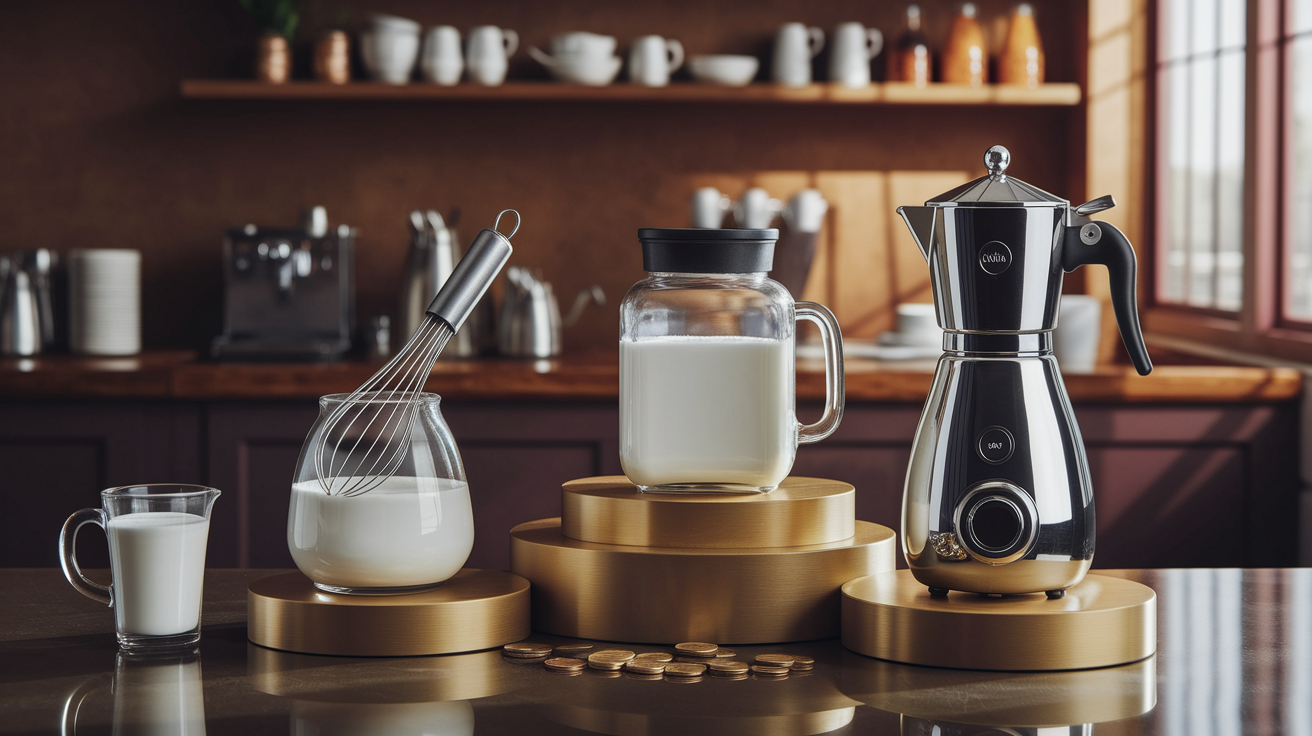
Budget frothers under $30 are almost always handheld whiskers or simple manual pumps. They skip temperature control entirely, rely on AA batteries or basic USB charging, and produce larger bubbles that work fine for cappuccinos but struggle with latte art.
Budget (Under $30)
- Handheld battery or USB‑C whiskers with single-speed motors
- Manual French-press pump frothers with glass or stainless jars
- No built-in heating. You warm milk separately.
Midrange ($30–$100)
- Electric automatic jars with 1 to 4 presets for hot foam, cold foam, and plain hot milk
- Typical capacities from 120 to 300 mL (frothing-safe often around 150 mL)
- Stainless or food-grade plastic construction. Some include dishwasher-safe parts.
Premium ($100+)
- Adjustable temperature dials covering 120° to 165°F
- Interchangeable foam discs or advanced whisk designs for microfoam control
- Larger capacities (up to 600+ mL warming, 300+ mL frothing-safe)
- Café-quality results for whole milk and barista oat milk. Often support latte art.
Price and performance don’t always scale cleanly. A $70 midrange automatic can match or beat a $180 premium jar if the cheaper model includes reliable presets and works well with plant milks. The biggest performance jumps happen when you add precise temperature control and when the whisk or disc design creates tight microfoam instead of sudsy pillows. Beyond that, extra dollars often buy design, brand, or marginal capacity rather than measurably better foam.
Performance Factors That Define Frother Quality
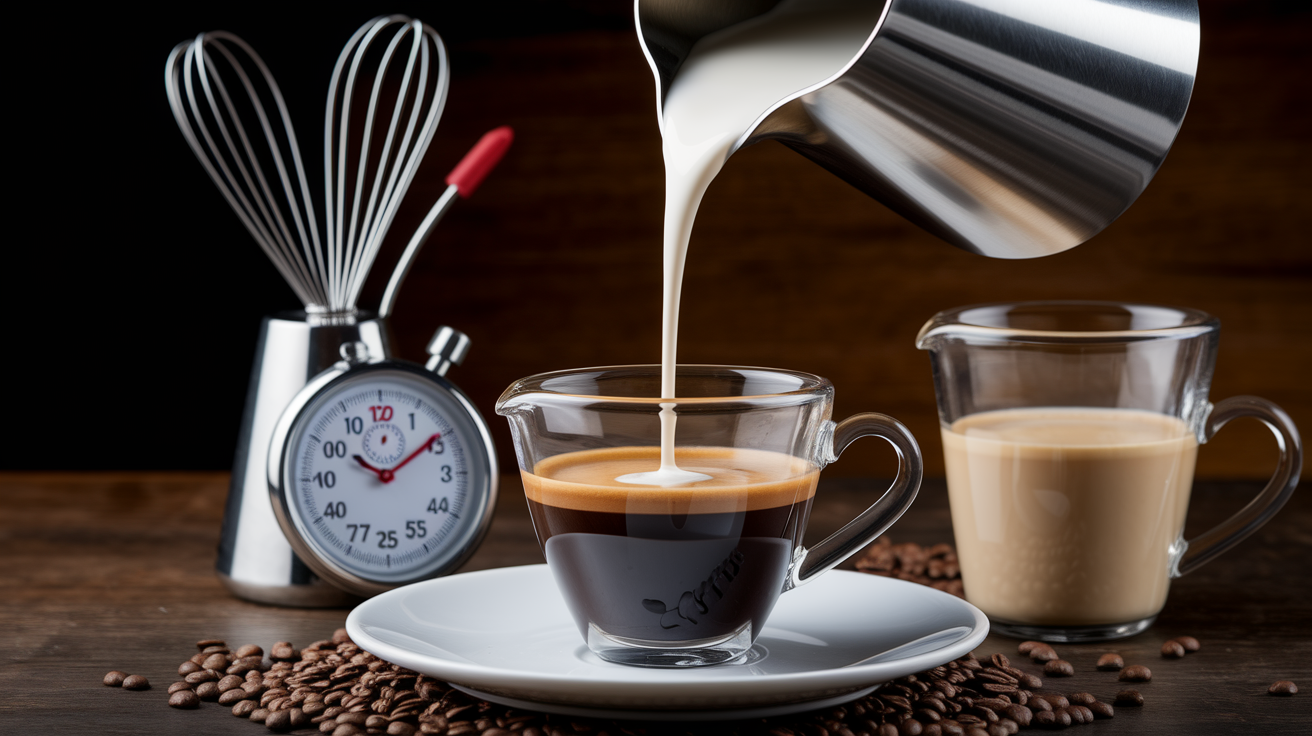
Microfoam Quality
True microfoam pours like wet paint and holds a glossy surface without large bubbles. The Breville Milk Café achieves this on both whole and oat milk by using interchangeable frothing discs and induction heating that separates temperature from aeration. Similarly, the Subliminal NanoFoamer PRO uses magnetic paddles and six programs to dial in the fine texture needed for tulips and rosettas. Basic whisker-style frothers create larger, meringue-like bubbles that work for cappuccino foam but collapse quickly under a pour.
Temperature Accuracy
Machines with adjustable dials or multiple presets let you stop heating before milk flavor changes. Models that lock in at 140°F preserve sweetness. Units that default to 165°F often scald the milk and flatten the taste. The Keurig K-Froth offers four presets calibrated for different drinks, giving you reliable temperature ranges without manual guesswork. Devices that heat and froth in a single locked program, like some budget electric jugs, can overshoot and leave you with bitter milk.
Noise Level
Handheld frothers tend to be louder and create more vibration, especially cheaper battery models. Electric jars with magnetic whisks run quieter because the whisk floats and spins rather than grinding against the carafe. The Terra Kaffe Aero and Dreo Baristamaker both feature quieter operation compared to entry-level handhelds. Most frothers finish in under 90 seconds, so noise duration is short.
Speed and Consistency
Automatic electric frothers deliver repeatable results in 40 to 90 seconds with zero technique required. The Instant Pot MagicFroth and Keurig K-Froth hit their presets consistently, making them solid for busy mornings when you need the same foam texture every time. Handheld devices finish faster, often in 15 to 40 seconds, but results vary with user motion and milk freshness. Manual pump frothers fall somewhere in between. You control the pace, but pumping speed directly affects bubble size.
Plant-Milk Performance
High-end frothers handle barista-style oat milk well, but almond and soy milks often struggle even on premium machines. The De’Longhi LatteMix, priced at $180, showed inconsistent foam with plant milks despite its premium tag. Meanwhile, the NanoFoamer PRO and Breville Milk Café both produced stable oat-milk foam in testing, suggesting that adjustable temperature and finer aeration control make the difference.
Milk Compatibility: Dairy vs. Oat vs. Almond vs. Soy
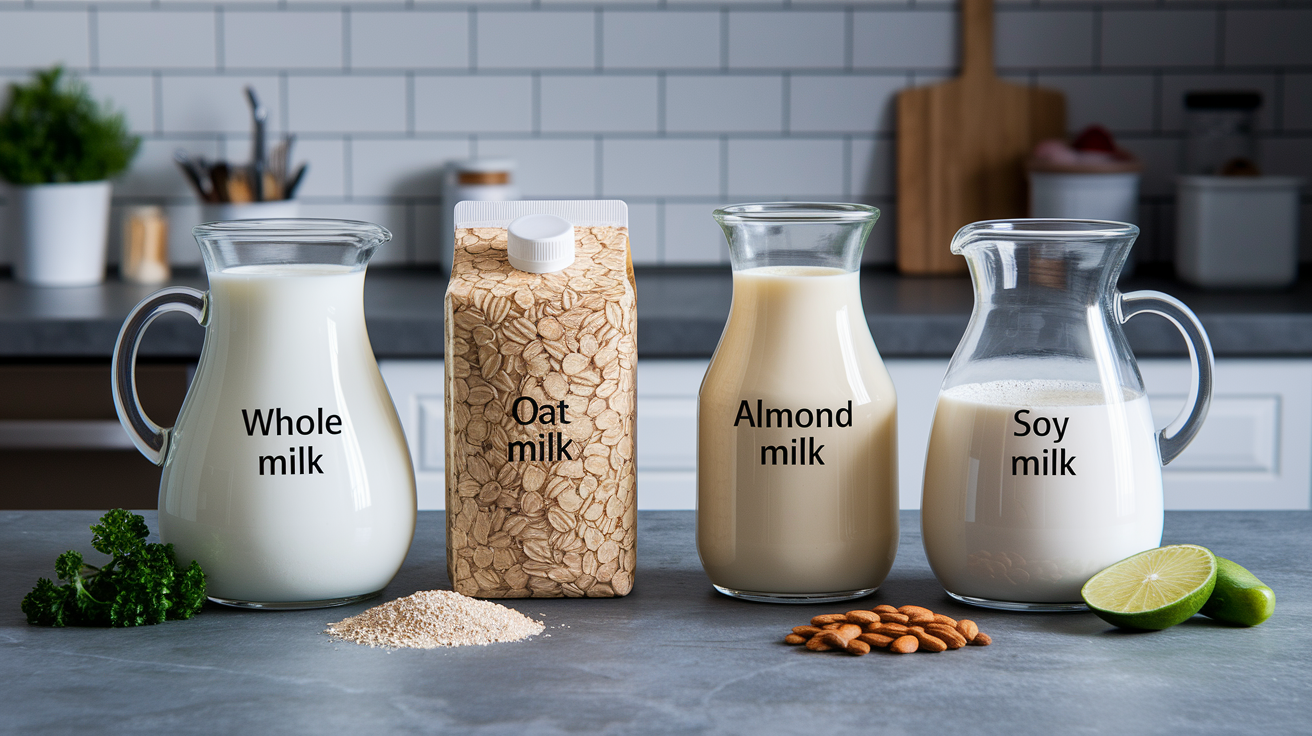
Whole dairy milk froths the easiest because fat and protein create stable bubbles and a smooth mouthfeel. Most frothers perform well with whole milk, even basic handhelds. If you want foolproof foam, start there. Skim and low-fat milks froth lighter and less sweet, but they still cooperate with most devices.
Oat milk works surprisingly well in higher-end frothers, especially barista-formulated versions like Oatly Barista. Testing with the Breville Milk Café and Subliminal NanoFoamer PRO showed that oat milk can produce pourable microfoam when the machine offers precise temperature control and fine aeration. Almond and soy milks present more challenges. They need barista versions with added oils and stabilizers to mimic dairy performance. Even then, foam tends to be less stable and quicker to separate. Best frothing temperature for all plant milks sits around 140°F. Hot enough to activate proteins without curdling or scalding.
- Whole milk – Highest fat, most stable foam, sweet flavor, works with every frother type
- Oat milk – Best plant-milk performer, needs barista version, stable microfoam in premium frothers
- Almond milk – Requires barista formulation, thinner foam, faster collapse, sensitive to overheating
- Soy milk – Moderate stability, barista versions help, can curdle above 150°F, neutral flavor
How to Choose the Best Milk Frother for Your Home Setup
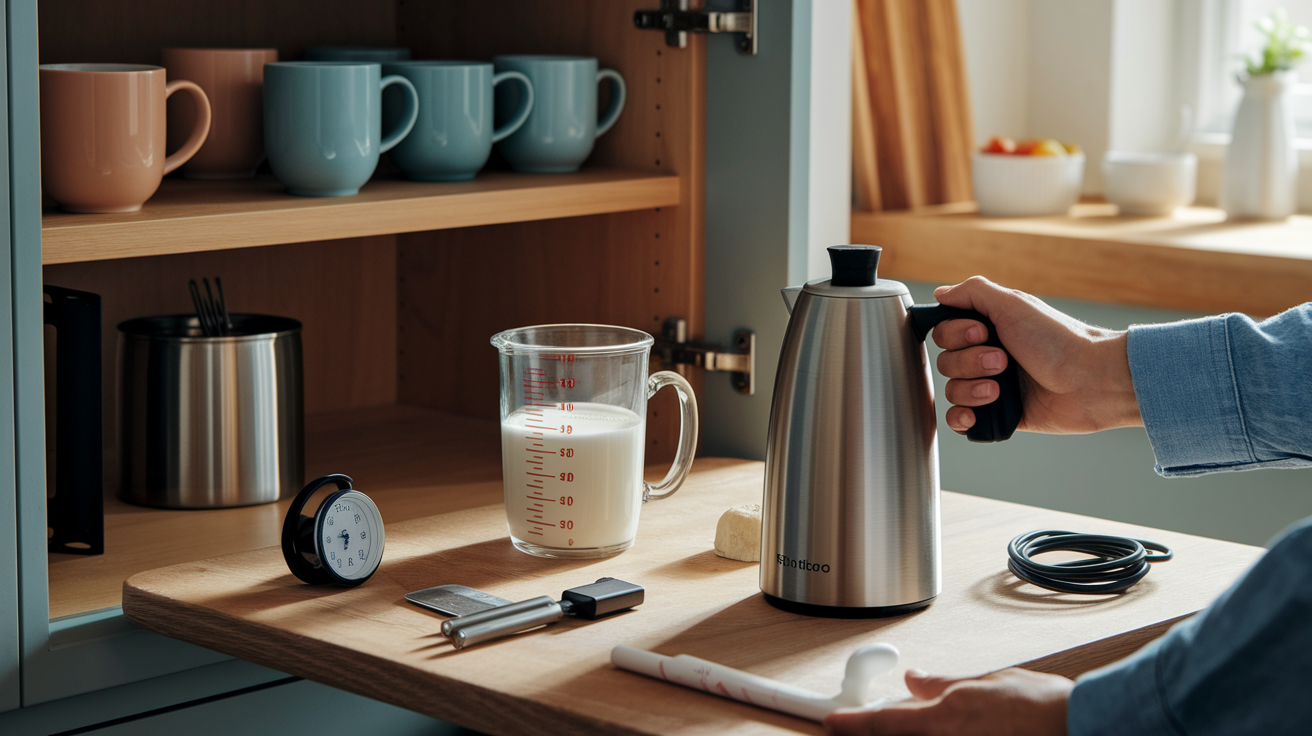
Start by matching capacity to serving size. If you make one latte at a time, a 120 to 240 mL frother is plenty. Households brewing multiple drinks or cappuccinos for guests should look for 300+ mL warming capacity, keeping in mind that the frothing-safe limit is often half that number. Overfilling a carafe leads to overflow and messy cleanup.
Decide whether you need temperature control. Basic frothers heat to a fixed default, often around 140 to 150°F. That works fine if you’re not picky about precision. Adjustable dials or multiple presets let you fine-tune for different milks and drinks. Essential if you want to avoid scalding oat milk or if you prefer cooler cappuccino foam. Noise level matters if you froth early in the morning near sleeping housemates. Magnetic-whisk electric models run quieter than battery handhelds.
Look for dishwasher-safe parts if you froth daily. Magnetic whisks pop out for easy rinsing, and stainless-steel carafes resist staining better than plastic. USB‑C rechargeable handhelds save money and hassle compared to AA-battery models. Check user reviews for battery-door issues. One budget handheld frother’s battery-insertion problem has a YouTube help video with over 90,000 views.
Quick Buying Checklist
- Determine capacity: ≤240 mL for single cups, ≥300 mL for multiple servings
- Choose type: electric for consistency, handheld for budget/portability, manual for simplicity
- Confirm temperature range if you use plant milks or want latte-art control
- Check materials: stainless interior and magnetic whisks last longer
- Verify frothing-safe fill line, not just total carafe volume
- Compare power options: USB‑C rechargeable beats AA batteries for convenience
Temperature, Milk Preparation & Frothing Technique Essentials
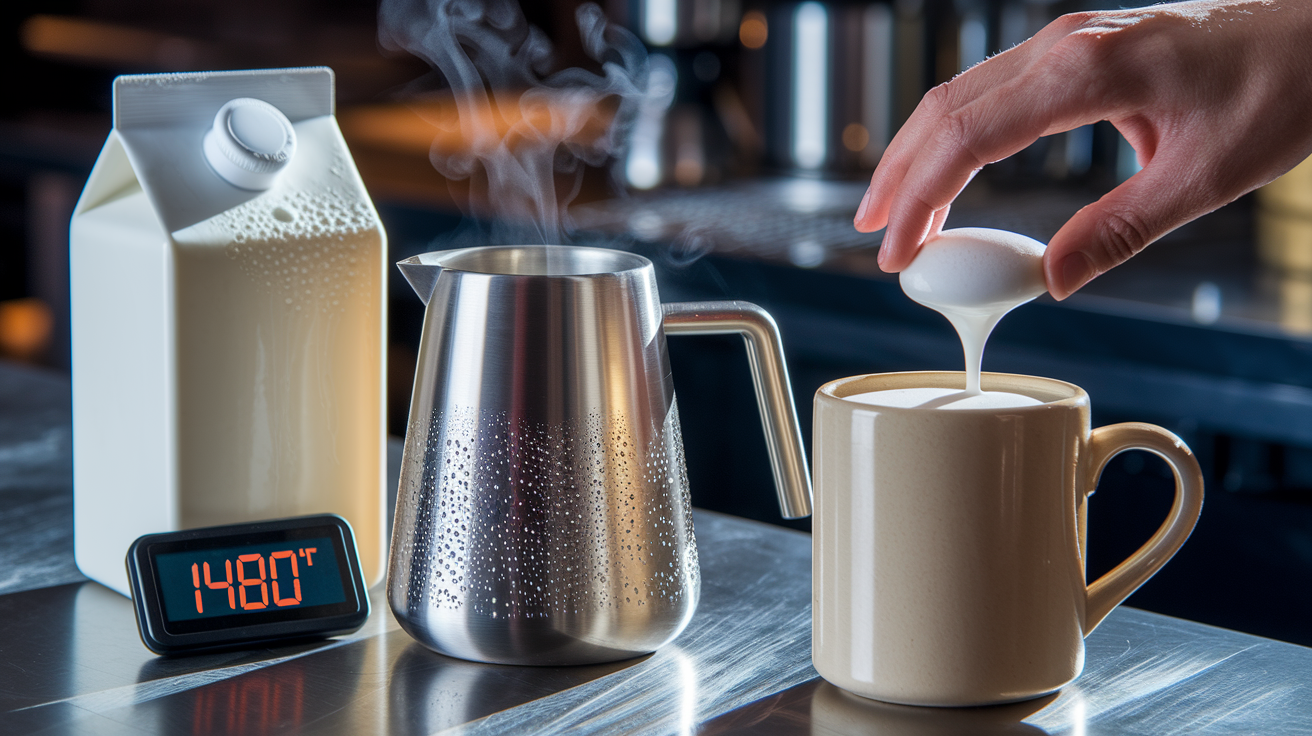
Most coffee people aim for 140°F when steaming milk. That temperature unlocks natural sweetness without denaturing proteins. Once milk hits 154°F, flavor starts to change. Proteins break down and the taste flattens or turns slightly bitter. If your frother lacks a temperature display, stop heating when the carafe feels uncomfortably hot to touch but not scalding. Cold foam stays below 45°F and works best with fresh, cold milk straight from the refrigerator.
Milk freshness affects texture. Milk closer to its expiration date often has weaker proteins and produces thinner, less stable foam. Use the freshest carton you have. After frothing, swirl the pitcher gently for a few seconds to break up any large bubbles and integrate the microfoam. If you’re making latte art, preheat your mug rather than overheating the milk. Pouring 140°F foam into a cold cup cools everything down fast and ruins the gloss.
Five Technique Tips
- Start with cold, fresh milk for tighter bubbles and better stability
- Fill only to the frothing-safe line. Foam expands fast and will overflow.
- Stop heating at 140°F to preserve sweetness. Above 150°F risks scald.
- Swirl the pitcher after frothing to smooth out large bubbles
- For cold foam, keep milk refrigerated and use a dedicated cold-foam preset or manual control
Cleaning & Maintenance for Longer-Lasting Milk Frothers
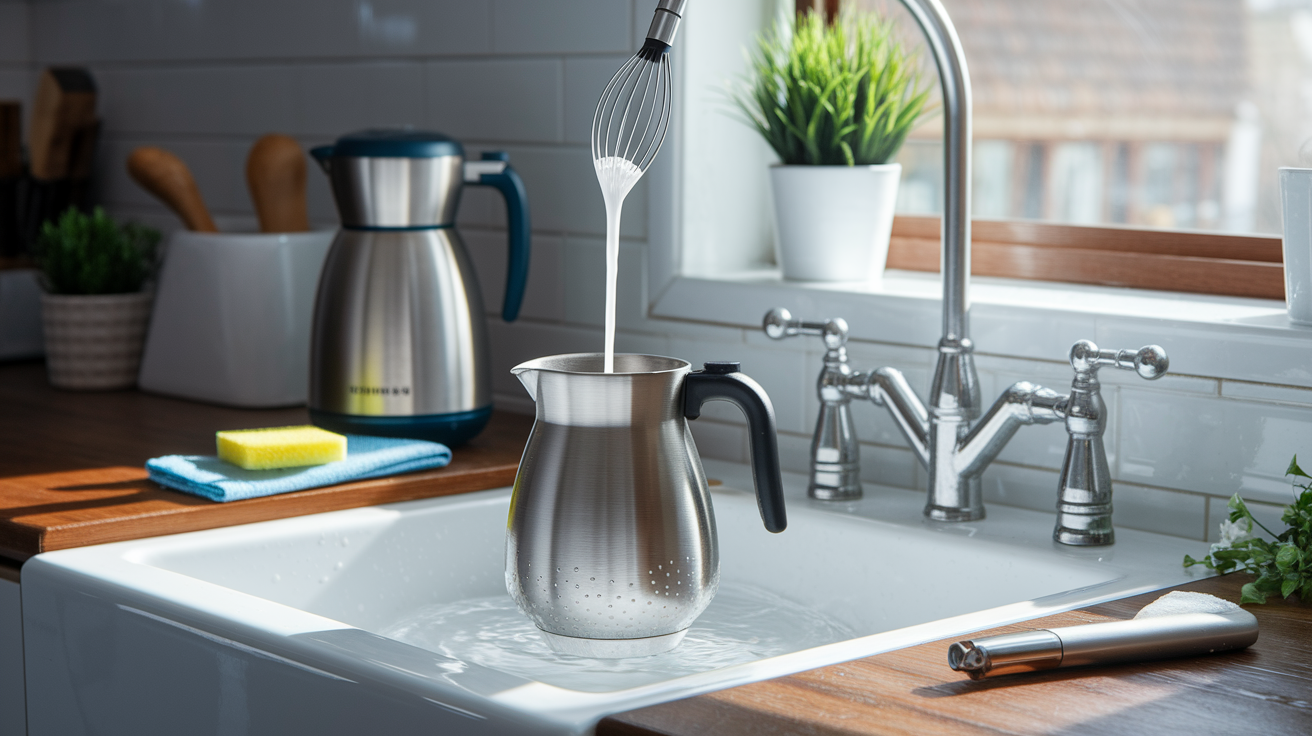
Rinse the carafe and whisk immediately after each use. Dried milk film hardens fast and becomes stubborn to remove. Most magnetic whisks pop out and rinse under warm water in seconds. Some frothers include a self-cleaning mode that spins water to loosen residue, but a quick hand rinse works just as well.
Check whether your carafe is dishwasher-safe or hand-wash only. Stainless-steel interiors tolerate dishwashers better than plastic lids or non-stick coatings. Non-stick surfaces can degrade over time, especially with high heat or abrasive scrubbing. If your frother uses AA batteries, test them every few months and keep spares on hand. USB‑C rechargeable models eliminate that hassle and typically hold a charge for weeks or even months of regular use.
Four Cleaning Steps
- Rinse carafe and whisk with warm water right after frothing
- Use a drop of dish soap and a soft sponge for milk residue. Avoid abrasive pads on non-stick.
- Wipe the heating base or contact points with a damp cloth. Never submerge electric bases.
- For handhelds, clean the whisk head under running water and dry before storing
Product Limitations & Models That Fell Short in Testing
Several tested frothers produced airy, fast-collapsing foam or performed poorly with oat milk. The Nespresso Aeroccino 4 appeared in one review’s not-recommended list despite its brand reputation. The Cuisinart Hot/Cold Milk Frother and both Bodum electric and battery models were flagged for inconsistent texture and weak plant-milk results. Budget devices often feel flimsy, with thin plastic carafes that crack or whisks that wobble after a few months.
Overheating is common in frothers that lock you into a single high-temperature preset. Models that default to 165°F regularly scald milk and flatten flavor. Limited temperature control also makes it nearly impossible to dial in the sweet spot for delicate oat or almond milks, which curdle easily above 150°F. Cheap build quality shows up fast. Battery doors that won’t close, non-stick coatings that peel, and whisks that stop spinning after 20 uses.
Common Failure Reasons
- Inconsistent foam texture, especially with plant milks
- Overheating past 150°F with no manual override
- Weak or flimsy construction that breaks within months
- Limited or missing temperature control for precision frothing
Final Words
Pick by microfoam, speed, temperature control, and capacity. We ranked six top picks, compared electric vs handheld vs manual, and outlined the key features that matter.
We tested whole and oat milk, mapped budget tiers, and gave a practical buying checklist. Cleaning tips and common failure causes help you avoid wasted time and money.
Use the shortlist and checklist to choose the best milk frother for your setup. Change one variable at a time and you’ll see better, more consistent foam fast. You’ll be making café-style drinks at home before you know it.
FAQ
Q: Are milk frothers worth it?
A: Milk frothers are worth it for home use when you want consistent, café-style foam, improved texture, and fewer café trips. They save time, cut waste, and work best with barista-style milks.
Q: Which type of milk froth is the best?
A: The best type of milk froth is microfoam—tiny, glossy bubbles that give a creamy mouthfeel and hold latte art. Bigger, airy froth works for quick cappuccino tops or cold foam.
Q: What is the best milk frother for 2026 and which is the best frother?
A: The best milk frother for 2026 overall is the Breville Milk Café: 25 oz, 120°–160°F adjustable temp, and pro microfoam discs. Budget and compact picks include LunaFro Max and the Smeg Mini.