
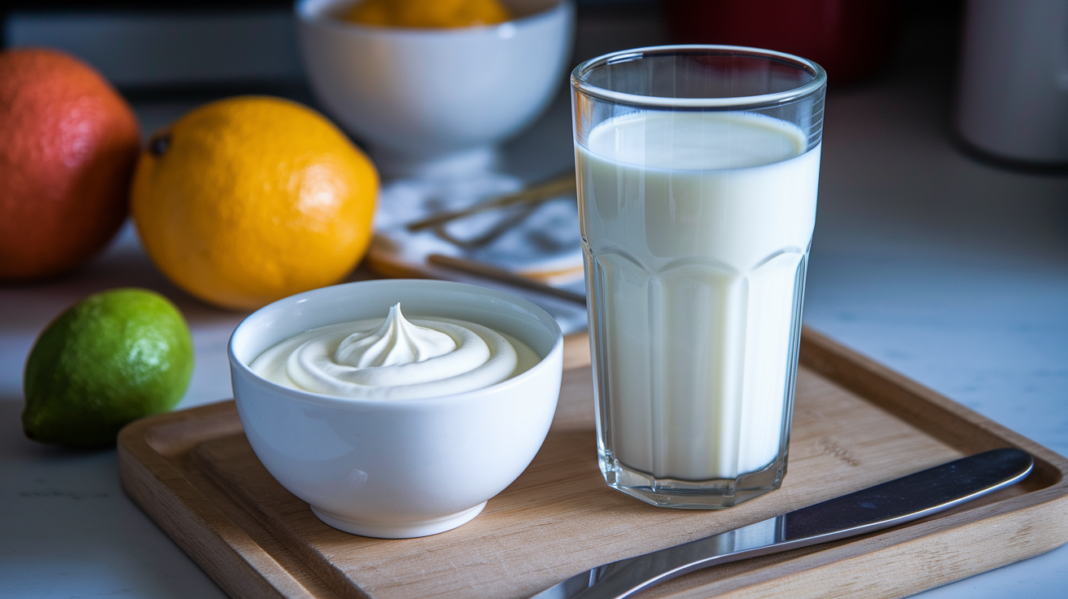

Think whole milk and heavy cream are basically the same? That’s wrong.
They differ by roughly ten times the fat, and that changes everything: texture, how they cook, and how much you should use.
In this post, we break down the key differences: fat, behavior in sauces and custards, nutrition, and easy swaps.
You’ll get clear rules for when to reach for whole milk, when to use heavy cream, and one simple substitute to try if you’re out.
Key Differences Between Whole Milk and Heavy Cream for Everyday Use
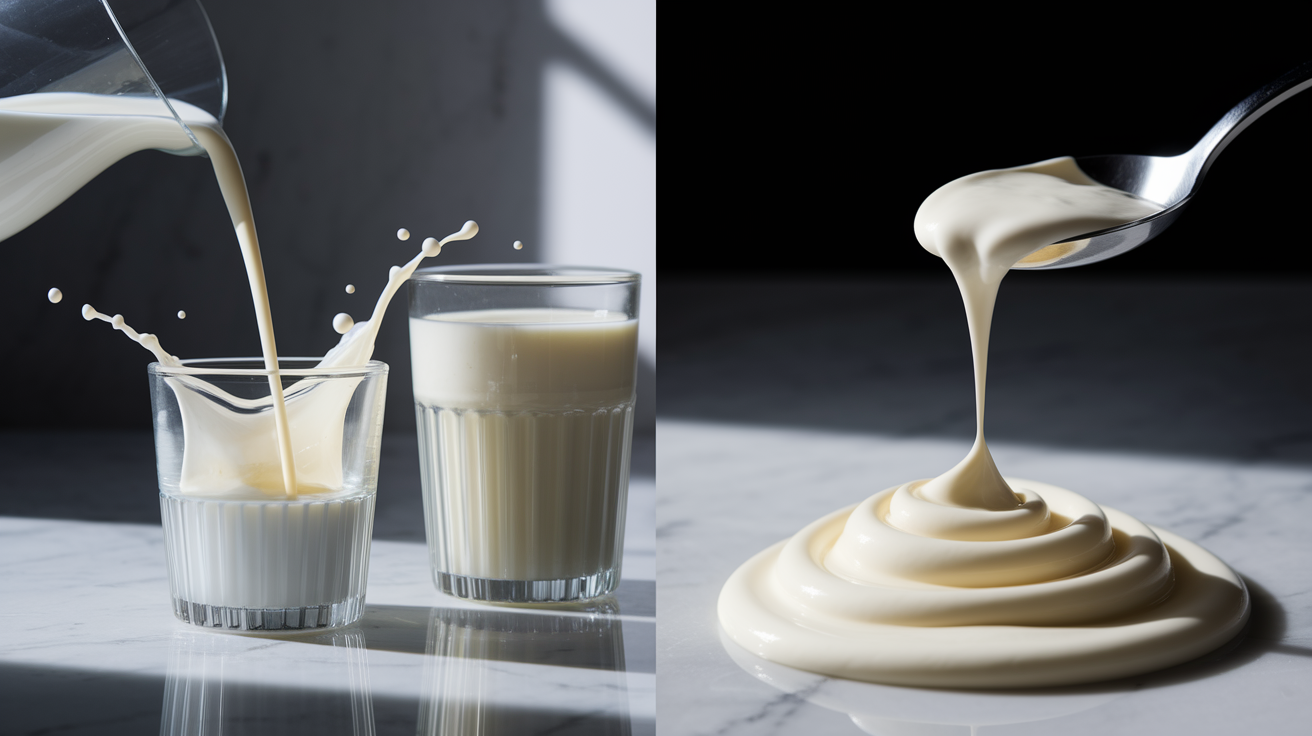
Whole milk sits around 3.25–3.5% milk fat. Heavy cream? At least 36% by federal standard. That ten-fold gap in butterfat is basically the whole story. It’s why heavy cream behaves like… well, cream, and whole milk just acts like milk.
Heavy cream falls into the “cream” category because it clears the 18% butterfat threshold. But that “heavy” label means you’re getting the fattiest version on most grocery shelves. Whole milk is just milk that still has its natural fat intact, not stripped down into skim or 2%.
That fat level changes everything. Texture, mouthfeel, what happens when you heat it. Heavy cream builds thick, silky sauces and sets firm custards. Stir it and it coats the spoon. Whole milk flows thin, lightens whatever you add it to, and needs more time or a thickener if you want any real body. Make crème brûlée with heavy cream and it sets rich and firm. Same recipe with whole milk? You’re adding five more minutes in the oven and you’ll still get something loose and jiggly.
You can swap whole milk into lighter spots where extra richness doesn’t matter much. Mashed potatoes, basic soups, everyday baked goods. But going the other direction doesn’t work. Heavy cream’s thickness and fat content will mess with batter consistency and final texture if you try to use it where milk belongs. The old butter-into-milk hack gets you closer when you’re out of cream, but it still can’t do everything. Especially whipping.
| Dairy Type | Fat % | Best Uses | Texture Profile |
|---|---|---|---|
| Whole Milk | 3.25–3.5% | Beverages, lighter soups, baked goods, mashed potatoes, everyday cooking | Thin, pourable, light mouthfeel |
| Heavy Cream | 36–38% | Rich sauces, custards, ganache, whipped cream, decadent desserts | Thick, luxurious, coats spoon |
Nutritional Comparison of Whole Milk and Heavy Cream
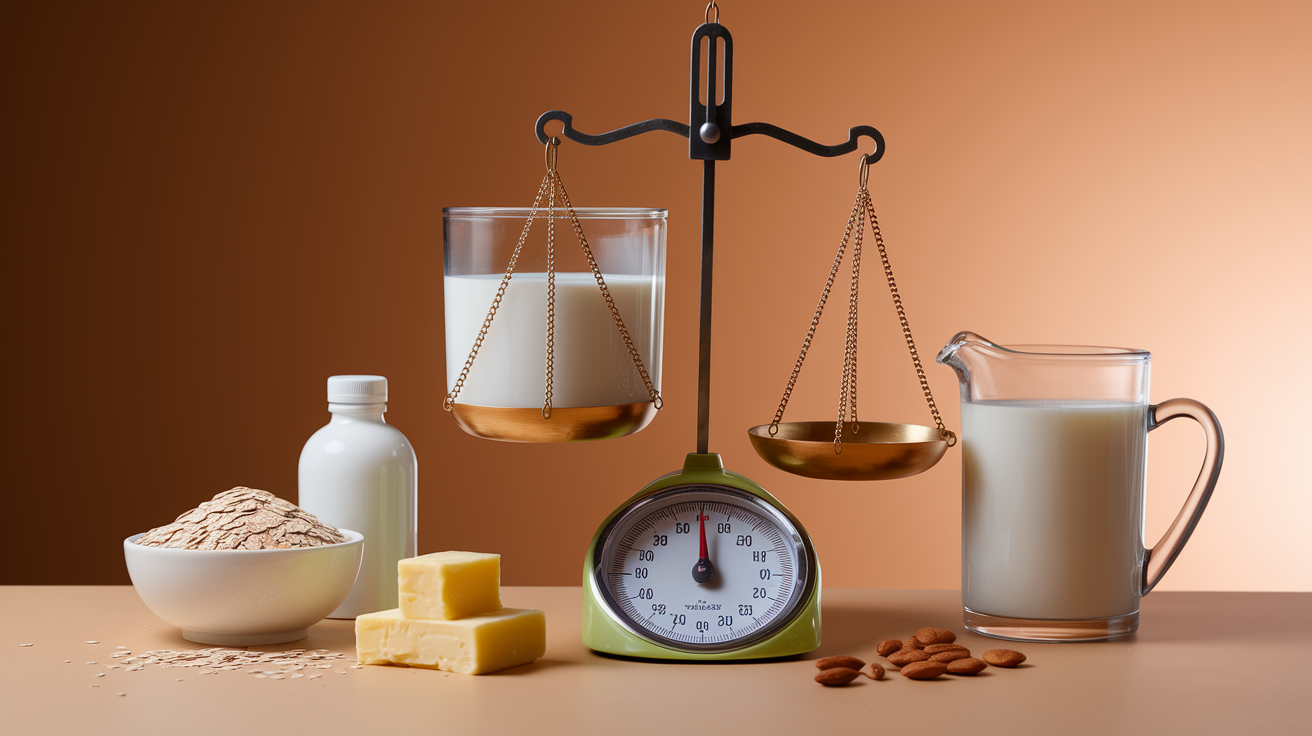
Heavy cream is loaded with calories and saturated fat because of that 36% butterfat. One cup delivers around 800–820 calories and roughly 88 grams of fat, most of it saturated. Whole milk? About 150 calories and 8 grams of fat per cup, with around 5 grams saturated. If you’re watching daily intake or managing cardiovascular stuff, that gap matters. Heavy cream is basically fat suspended in liquid. Whole milk balances fat with protein, carbs, calcium, and vitamins A and D.
So heavy cream is really an ingredient, not something you drink. Whole milk works as a daily protein and micronutrient source. Heavy cream gets measured in tablespoons to enrich specific dishes. Tracking macros? Whole milk gives you around 8 grams of protein per cup. Heavy cream contributes less than 5. Both get fortified with calcium and vitamin D, but you’re not drinking cups of cream, so milk ends up being the practical vehicle for those nutrients.
Quick breakdown:
- Fat content: heavy cream has ten times the fat per volume.
- Calories: heavy cream is five to six times more calorie dense.
- Protein: whole milk provides more usable protein per serving.
- Micronutrients: both have calcium, vitamin A, and vitamin D, but milk is consumed in larger amounts that actually contribute to daily needs.
- Dietary fit: heavy cream slides right into keto or high fat diets; whole milk suits balanced macros and general nutrition.
Functional Cooking Behavior of Whole Milk and Heavy Cream
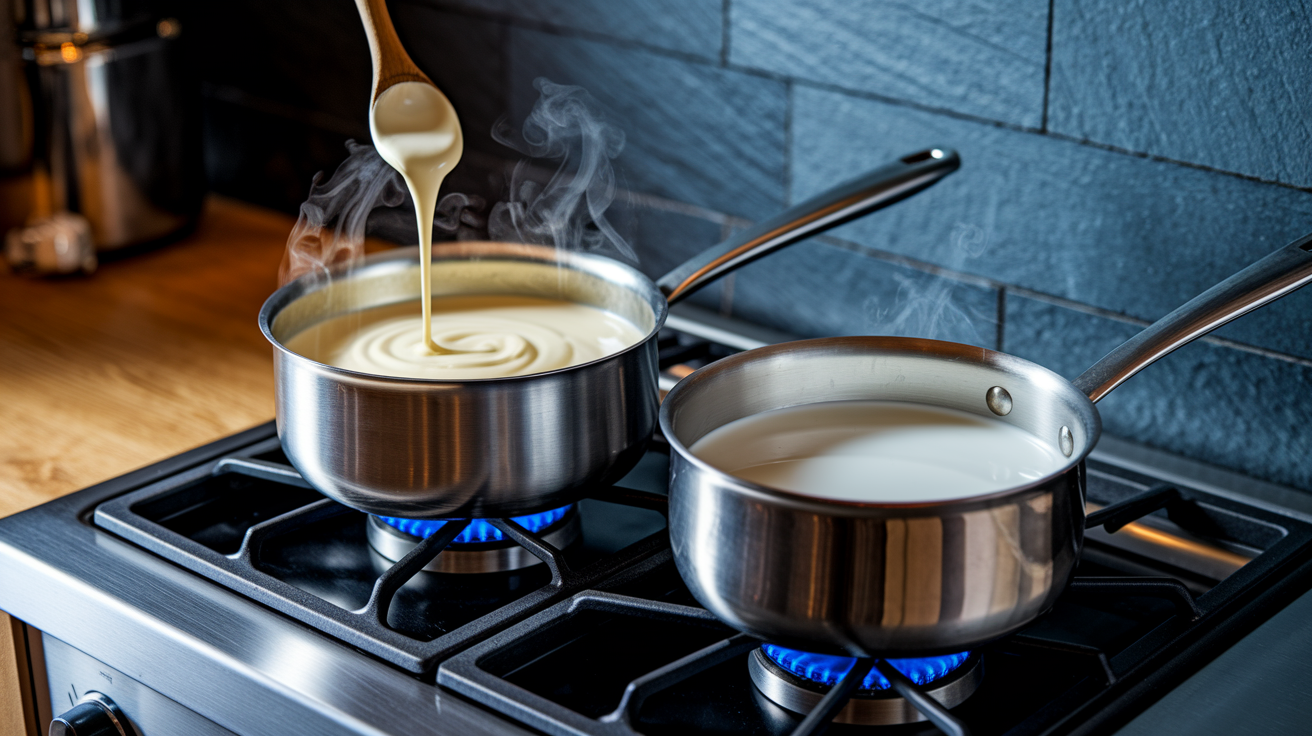
Heavy cream thickens sauces on its own. The fat stabilizes emulsions and creates body without needing flour or cornstarch. Reduce it in a pan and the water evaporates, leaving you with concentrated butterfat and a rich, glossy sauce. Whole milk needs a roux, a slurry, or a long simmer to thicken, and even then it stays lighter. Pour it into a hot pan and try to reduce it like cream? You’ll end up with thin, slightly sweet liquid that never coats anything.
Custards and puddings need fat to set right and get that smooth, mousse-like texture. Heavy cream makes firm, stable custards that slice clean and hold their shape after baking. Whole milk custards come out softer, looser, sometimes needing longer baking to reach the same doneness. Testing showed that crème brûlée made with whole milk needed about five extra minutes in the oven and still ended up jigglier and less cohesive than versions using half-and-half or heavy cream. Lower fat means fewer fat molecules to trap the egg proteins, so the structure stays fragile.
Baking with heavy cream versus whole milk changes how doughs and batters behave. Heavy cream adds tenderness and moisture to biscuits, scones, and cakes because the fat coats flour proteins and limits gluten development. Whole milk hydrates dough and adds structure, but it won’t give you that soft crumb unless you add butter separately. When heated, heavy cream is also less likely to curdle than whole milk. Higher fat content buffers the casein proteins from acid and heat shock.
Six ways they behave differently in cooking:
- Sauce reduction: heavy cream thickens as water evaporates; whole milk needs a separate thickener.
- Custard setting: heavy cream forms firm, stable custards; whole milk yields softer, looser results and may need longer baking.
- Emulsification stability: heavy cream holds stable emulsions in pan sauces; whole milk can break or separate under high heat.
- Baking tenderness: heavy cream tenderizes baked goods; whole milk provides structure and moisture but less softness.
- Curdling resistance: heavy cream tolerates acid and high heat better; whole milk is more prone to curdling in acidic or very hot environments.
- Mouthfeel: heavy cream coats the palate and feels luxurious; whole milk feels lighter and thinner.
Substitution Ratios for Whole Milk and Heavy Cream
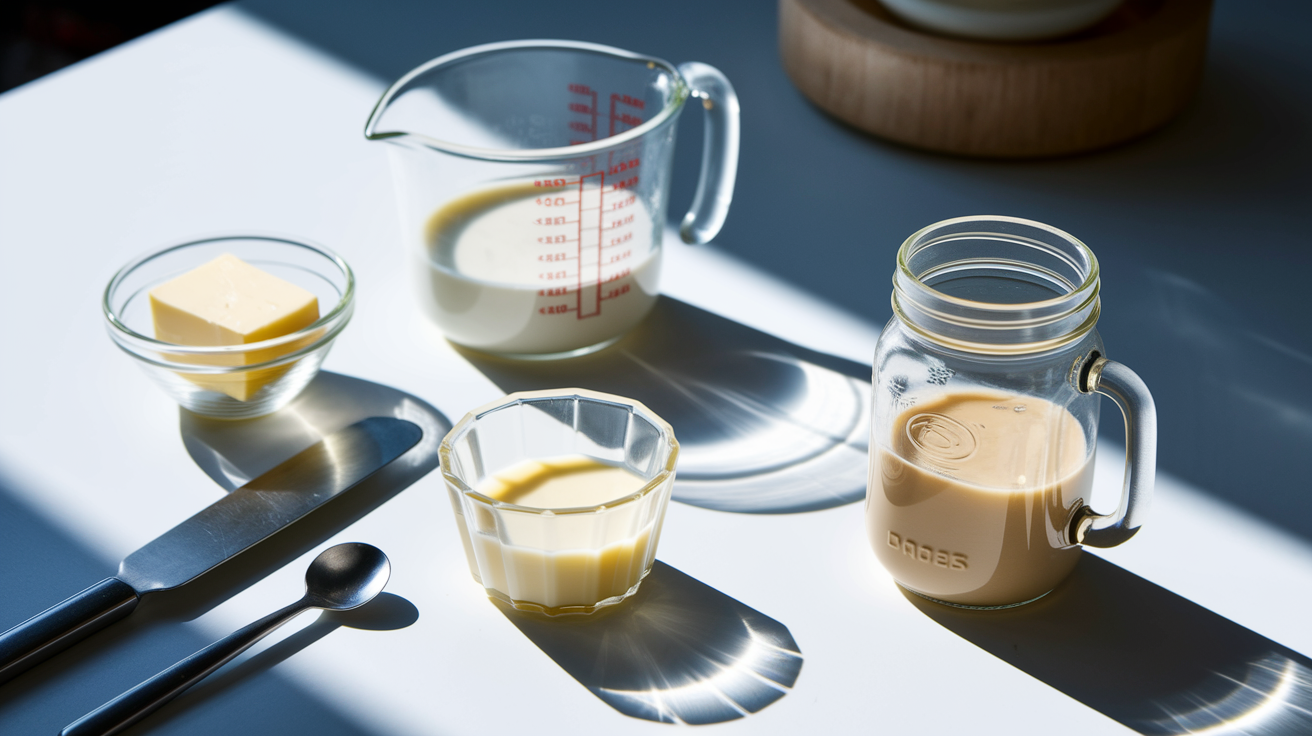
The most common two-ingredient substitute for heavy cream mixes melted unsalted butter with whole milk. Melt 1/4 cup butter (four tablespoons or half a stick), let it cool to room temperature, then whisk it thoroughly with 3/4 cup whole milk. This gives you one cup of a heavy-cream-like liquid that works in soups, sauces, mashed potatoes, casseroles, and most baked goods where you need richness but not whipped volume. You can find full step-by-step instructions in “How to Substitute Heavy Cream with Just 2 Ingredients”, which walks through melting, cooling, and blending to prevent separation.
If you only have whole milk and no butter, you can still use it as a lighter substitute in dishes that don’t demand thick, velvety texture. Whole milk works fine in mashed potatoes, lighter soups, or pancake batter. Just expect thinner consistency and less richness. When swapping whole milk for heavy cream without adding fat, reduce other liquids slightly or simmer longer to concentrate flavor and body.
To make the butter-and-milk substitute:
- Cut 1/4 cup unsalted butter into tablespoon-sized pieces.
- Melt the butter with 3/4 cup whole milk in a small saucepan over medium heat, stirring frequently, until the butter fully melts (about four minutes).
- Transfer the mixture to a blender and blend on high for one to two minutes until smooth and emulsified.
- Refrigerate the mixture in an airtight container; it will most closely resemble heavy cream after chilling for one to three hours.
This substitute can’t be whipped into soft or stiff peaks, so it won’t work for whipped cream, mousse, or any recipe that depends on aeration. The emulsion of butter and milk mimics the fat content and liquid consistency of heavy cream, but it lacks the natural structure that lets real cream trap air when beaten. If you need whipped cream, you’ve got to use actual heavy whipping cream with at least 30% fat.
Understanding Dairy Fat Chemistry in Whole Milk and Heavy Cream

Milk fat exists as tiny globules suspended in water, surrounded by a protective membrane of proteins and phospholipids. In whole milk, those globules make up only about 3.25% of the total volume, so the liquid stays thin and the fat particles remain dispersed. Heavy cream concentrates those same fat globules until they represent 36% or more of the volume, creating a thicker, richer liquid that coats surfaces and holds emulsions more easily. When you shake or blend cream, the fat globules collide and can clump together. That’s why heavy cream whips into stiff peaks while whole milk just gets frothy and collapses.
Homemade substitutes that blend melted butter into whole milk work by forcing the butter fat to break into smaller droplets and suspend evenly in the milk. Blending for one to two minutes creates a temporary emulsion that mimics the mouthfeel of cream, but it’s less stable than natural cream. If the mixture separates after refrigeration, shaking or re-blending redistributes the fat. The emulsion holds better when chilled because cooler temperatures slow fat-globule movement and help maintain suspension.
How Fat Affects Thickness
Higher fat content increases viscosity because fat molecules create drag and resistance as they move past one another. Heavy cream feels thick on the tongue because each spoonful contains far more fat globules than the same volume of milk. That thickness also affects how the dairy behaves under heat. Heavy cream can simmer and reduce without curdling because the fat buffers the milk proteins from acid and high temperatures. Whole milk has fewer fat molecules to protect the casein proteins, so it’s more likely to curdle when you add lemon juice, wine, or tomatoes, or when you boil it hard.
Fat also shapes aeration potential. When you whip heavy cream, the fat globules cluster around air bubbles and form a stable foam that holds its shape. Whole milk contains too little fat to build that structure, so beaten milk just forms a temporary froth that collapses within seconds. This is why only high-fat creams (at least 30% butterfat) can be whipped successfully.
Storage, Shelf Life, and Handling Tips for Milk and Cream
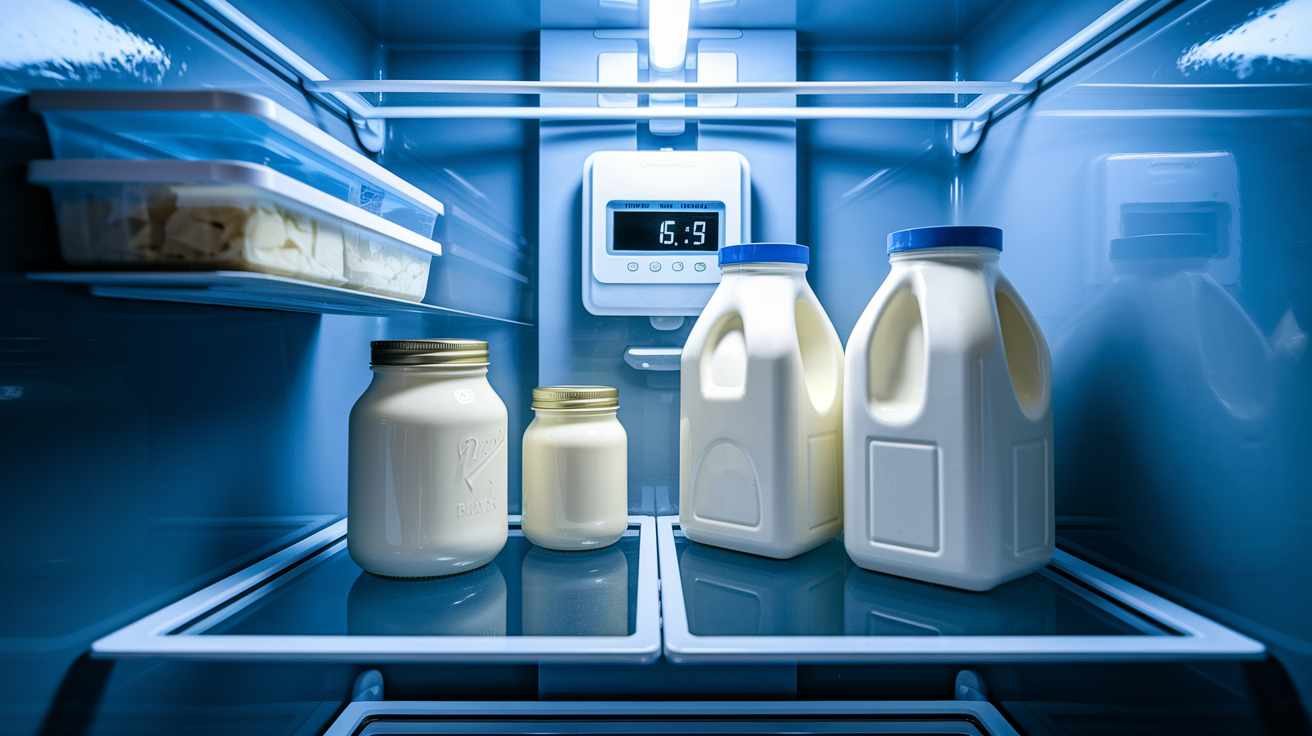
Whole milk and heavy cream both need refrigeration and should be stored at or below 40°F to slow bacterial growth. Unopened containers typically last until the printed date, but once opened, whole milk stays fresh for about five to seven days, while heavy cream can last up to two weeks thanks to its higher fat content acting as a preservative. Always check for off smells, curdled texture, or sour taste before using. Homemade substitutes made from butter and milk should be kept in an airtight container or mason jar and used within four days, though some sources suggest using them within a few hours for best results. Store them refrigerated and shake or re-blend if the mixture separates.
Freezing changes the texture of both dairy types. Whole milk can be frozen for up to three months, but it may separate slightly when thawed. Shake well before use. Heavy cream also freezes, though it may lose some of its ability to whip cleanly after thawing. If you plan to use frozen cream in soups or sauces where texture matters less, it works fine. Never freeze dairy in its original paper carton, as it can leak. Transfer to a freezer-safe plastic container and leave headspace for expansion.
Five storage principles:
- Refrigerate immediately after purchase and keep containers tightly sealed to prevent absorption of fridge odors.
- Store dairy toward the back of the fridge where temperature stays most consistent, not in the door.
- Freeze only if you plan to use the dairy in cooked applications; thawed cream and milk won’t whip or pour as smoothly.
- Homemade butter-and-milk substitutes require airtight storage and last up to four days; shake or re-blend if separated.
- Discard any dairy that smells sour, shows visible mold, or has curdled without being heated.
Recipe Applications Using Whole Milk and Heavy Cream
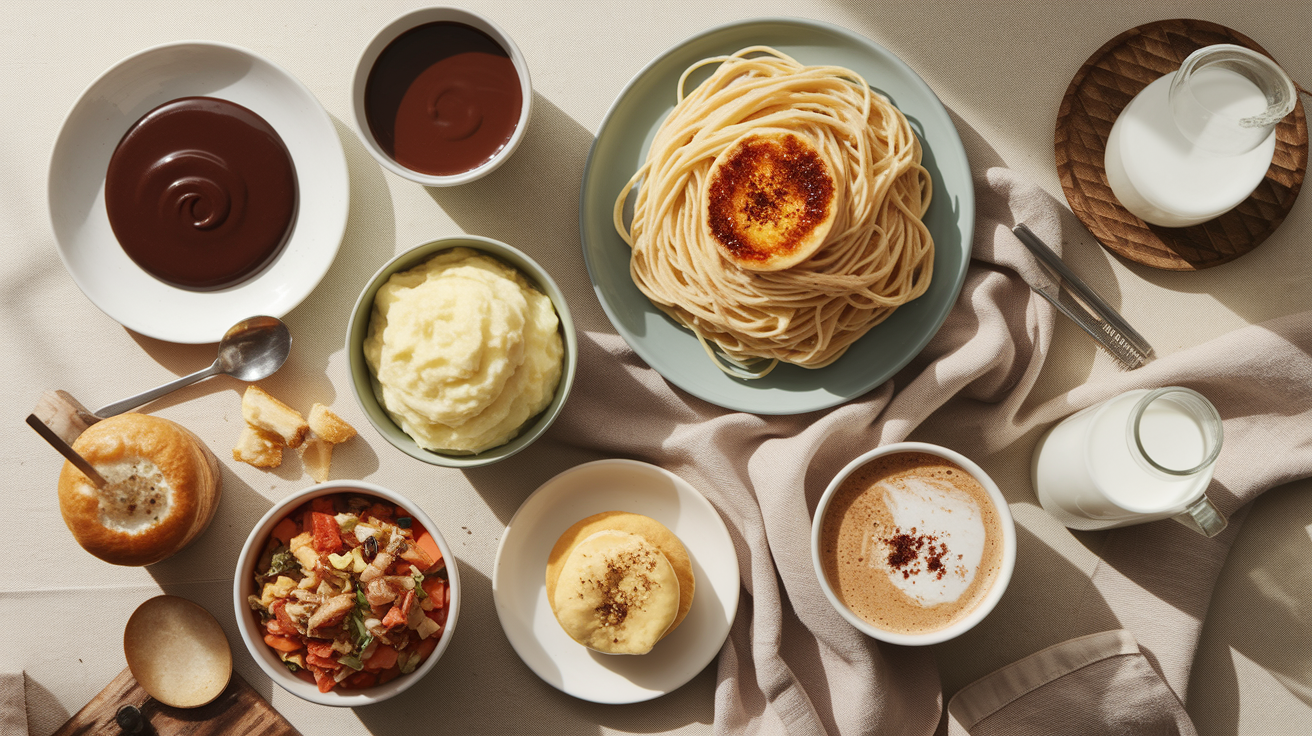
Heavy cream is essential in recipes that depend on richness, structure, or aeration. Chocolate ganache, for example, requires heavy cream to create a smooth, glossy emulsion with melted chocolate. Whole milk lacks the fat needed to stabilize the mixture. Crème brûlée traditionally uses heavy cream to get a firm custard base that holds its shape under the caramelized sugar crust. When tested with whole milk, the same recipe baked about five minutes longer and produced a looser, less cohesive custard that didn’t slice cleanly. Alfredo sauce, vodka sauce, and cream-based soups like Zuppa Toscana all rely on heavy cream to deliver the thick, velvety texture that coats pasta and spoons.
Whole milk works better in applications where you want creaminess without heaviness. Mashed potatoes made with whole milk taste light and fluffy, while heavy cream can make them taste overly rich or greasy. Pancake and waffle batters, quick breads, and lighter custards also benefit from whole milk’s balanced fat and liquid ratio. Bread pudding and banana pudding can use whole milk successfully, though the final texture will be less decadent than versions made with cream. Whole milk also suits beverages like lattes, hot chocolate, and creamy smoothies, where heavy cream would feel too thick.
When choosing between the two, match the dairy to the dish’s goal. If you want a sauce that clings and feels luxurious, choose heavy cream. If you want a lighter, everyday result, choose whole milk. For dishes that fall in the middle, half-and-half often provides the best balance. It contains 10–18% milk fat and delivers creaminess without heaviness. Testing showed that half-and-half crème brûlée had the best vanilla flavor and a light, creamy texture that was neither too rich nor too loose.
Seven recipe groups and their ideal dairy choice:
- Whipped cream and mousses: heavy cream only (must contain at least 30% fat to whip).
- Rich sauces (alfredo, ganache, caramel): heavy cream for thick, stable emulsions.
- Custards and puddings: heavy cream for firm structure; half-and-half for balanced richness; whole milk for lighter results.
- Soups and chowders: heavy cream for decadent versions (like lobster bisque); whole milk for everyday versions (like potato soup).
- Baked goods (biscuits, scones, cakes): heavy cream for tenderness; whole milk for structure and moisture.
- Mashed potatoes and casseroles: whole milk for light, fluffy texture; heavy cream if you want a richer side dish.
- Beverages (lattes, hot chocolate): whole milk for balanced creaminess; heavy cream for indulgent specialty drinks.
Final Words
You now know that whole milk runs about 3.25–3.5% fat while heavy cream clocks in at 36% or more. That difference explains why cream gives a thicker mouthfeel and milk keeps recipes lighter.
Key takeaways: nutrition, when swaps work, basic substitution ratios, and storage tips. Tweak one variable at a time and measure yield or texture.
Use this guide to choose the right dairy for the job and get more consistent, delicious results with whole milk and heavy cream.
FAQ
Q: Can I mix heavy cream with whole milk?
A: Mixing heavy cream with whole milk is fine and commonly done to adjust richness; it raises fat and calories, gives creamier texture, and works for coffee or cooking—use small amounts to control taste and calories.
Q: Is whole milk ok for high cholesterol?
A: Whole milk is higher in saturated fat and may worsen high cholesterol; choose low-fat milk or plant alternatives, limit servings, and discuss personal guidance with your doctor or dietitian.
Q: Is heavy cream ok for diabetics?
A: Heavy cream is low in carbs but high in fat and calories; diabetics can use small amounts in low-carb plans but must count calories and monitor blood sugar and medications.
Q: Will heavy cream raise cholesterol?
A: Heavy cream can raise LDL cholesterol because of its saturated fat; occasional small amounts are less risky, but frequent use increases levels—opt for lower-fat swaps if needed.